%201.svg)


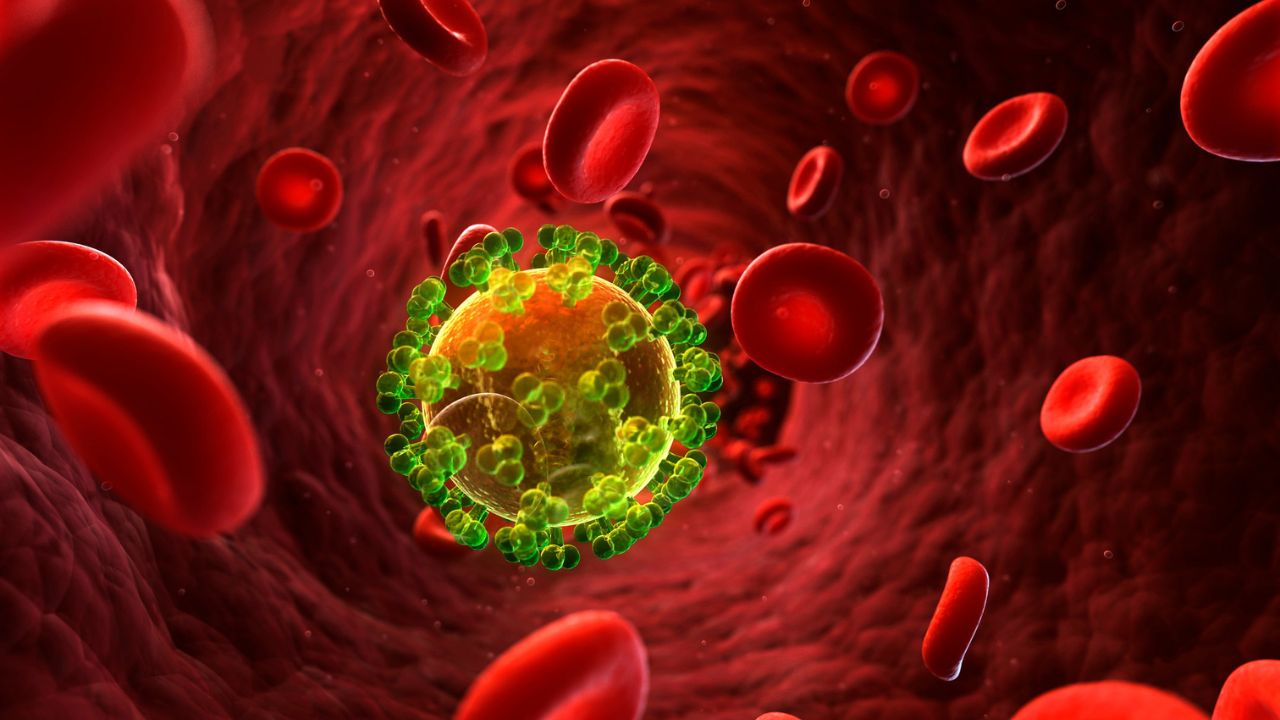
Fiji has declared a national HIV emergency as the Pacific island nation confronts a sharp rise in infections and major gaps in testing and treatment.
Health Minister Ratu Atonio Lalabalavu said the declaration was prompted by the seriousness of the epidemic and the need for a broader, coordinated response involving government, communities and health partners.
Lalabalavu said current government estimates show that one in every 60 adults in Fiji is living with HIV, compared with about one in 167 five years ago. He also said 2,060 new HIV diagnoses were recorded in 2025.
An earlier 2025 surveillance report from Fiji’s Ministry of Health and Medical Services recorded 2,016 newly diagnosed cases, a 27% increase from 1,583 in 2024. The available reports do not explain the difference between the surveillance figure and the 2,060 figure later cited by the health minister.
UNAIDS estimates that about 9,100 people were living with HIV in Fiji in 2025, with only 39% aware of their status and about 22% accessing antiretroviral treatment. The agency said new HIV infections in the country increased twelvefold between 2010 and 2025.
The epidemic has also affected children. A two-month-old baby has been identified as Fiji’s youngest known patient currently living with both HIV and tuberculosis, according to health reporting and Save the Children Fiji.
Injecting drug use has emerged as a major factor in the country’s HIV epidemic. UNAIDS said that among cases where the mode of transmission was known, more than half were linked to sexual transmission while more than 42% were associated with injecting drug use.
The problem has developed alongside Fiji’s growing illicit drug crisis and its reported use as a transit point for narcotics moving toward markets in Australia, New Zealand and parts of Asia. Health authorities have emphasized the risks associated with sharing needles and other injecting equipment.
Fiji recorded 117 HIV-related deaths in 2025, compared with 25 in 2021, according to national health data. Of the 2025 deaths, 17 involved children below age 15.
In response, the government plans to expand HIV testing, treatment and prevention services, including wider access to pre-exposure prophylaxis or PrEP and the introduction of a formal needle and syringe program for people who inject drugs.
UNAIDS has backed Fiji’s intensified response, stressing that the declaration should drive faster testing, treatment and prevention efforts while avoiding stigma and discrimination against people living with HIV.