


%201.svg)


Emergency Hotline:
(+63) 2 911 – 8688




MANILA—The PhilHealth Health Insurers closed out their UNTV Cup Season 12 campaign on a high note, grinding out a hard-fought 66–64 victory against the Judiciary Magis in the second round elimination on August 9 at the Paco Arena.
In a battle that came down to the wire, PhilHealth executed crucial plays in the final minutes to secure the heart-pumping win and exit the tournament with heads held high.
Despite the victory, the result marked the end of the road for the Health Insurers, who finished the season eliminated with a 4–5 record.
Meanwhile, the Judiciary Magis still secured their spot in the next round, advancing to the quarterfinals with a 5–4 win-loss slate.
Rookie guard Jumil Arumpac spearheaded PhilHealth’s attack, earning Best Player of the Game honors after delivering an all-around performance.
Arumpac set the tempo for his side, dropping 19 points alongside 2 rebounds, 2 assists, and 2 steals to anchor the team's offense and defense throughout the uphill battle.
Reflecting on his standout maiden campaign, an emotional Arumpac expressed his gratitude for the national platform provided by the league.
"As a probinsyano, ito yung pinaka-memorable—itong ini-interview. Kasi wala to sa amin eh. Tapos nakikita ka nationwide," Arumpac shared after the match, wrapping up a memorable individual run despite his team’s exit.
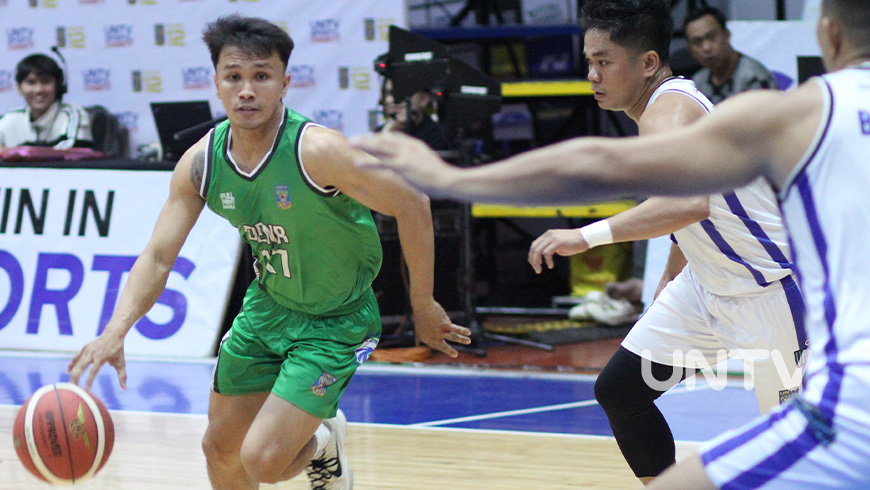
MANILA—The DENR Lawin Patrollers unleashed a furious fourth-quarter charge to stun the COMELEC Vanguards, 87-84, in a thriller during the UNTV Cup Season 12 second round elimination on August 5.
Behind relentless energy and tactical composure, the Patrollers chipped away at the Vanguards’ lead before landing the decisive blow down the stretch.
The heartbreaking defeat dealt a major blow to COMELEC, tumbling them down from the third spot to fifth place in the team standings.
Anchoring DENR’s late-game surge was Federico Alupani, who delivered a stellar performance to earn Best Player of the Game honors.
Alupani dropped 16 points and grabbed 7 rebounds, displaying exceptional discipline and determination to lift his squad across the finish line.
“Sabi ni Coach, laruin lang po namin yung best namin, go hard lang sa laro tapos ibigay lang namin yung 100% namin kaya inunti-unti namin ibaba yung lamang hanggang fourth quarter,” Alupani shared after the game, emphasizing his commitment to execute the game plan and contribute directly to the team's victory.
Despite the emotional win, the road ends early for DENR in Season 12. Holding a 3-5 win-loss record, the Lawin Patrollers have officially lost their chance to advance to the quarterfinal phase.
Nevertheless, they look to end their season campaign on a high note when they face off against the formidable, second-ranked Ombudsman Graftbusters in their final matchup on August 9, 2026.
On the flip side, the COMELEC Vanguards still control their own destiny with a playoff spot within reach.
They are set for a high-stakes, head-to-head showdown on August 9, 2026 against OP Bagong Pilipinas, where both squads will collide with everything on the line to secure their place in the postseason picture.
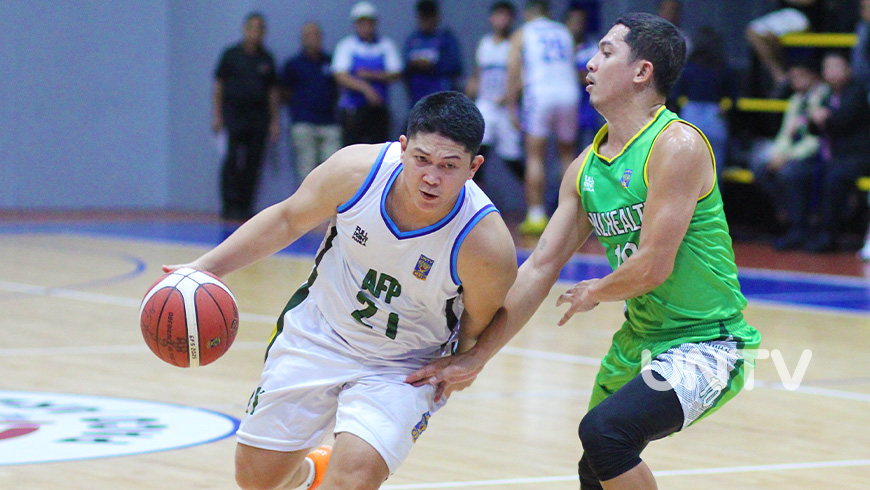
MANILA—The AFP Cavaliers continued their hot streak in the UNTV Cup Season 12 second-round elimination stage, turning back the PhilHealth Health Insurers, 86–79, on August 5, at the Paco Arena.
Driven by aggressive transition plays and clutch defense late in the game, the Cavaliers weathered PhilHealth’s counter-attack to bag the crucial victory.
The triumph officially elevates AFP to the No. 3 seed in the updated team standings as the tournament hits its most crucial stretch.
This triumph marks a crucial back-to-back winning streak for the Armed Forces squad, following their hard-fought victory against the Ombudsman Graftbusters on August 2.
Maintaining momentum from their previous outing, the Cavaliers showed impressive poise down the stretch to frustrate PhilHealth's late comeback actions.
The consecutive victories provide AFP with vital momentum and leverage as the battle for top positioning in the second round heats up.
Leading the charge once again was star forward Michael Bañaria, who dropped a team-high 22 points to earn his second consecutive Best Player of the Game award.
Bañaria anchor-played the offense with precision, knocking down timely buckets whenever the Health Insurers threatened to pull close.
His back-to-back stellar performances have solidified his role as the engine driving the Cavaliers' playoff push.
Focused on the ultimate goal as AFP marches into the quarterfinals round, Bañaria pledged to leave everything on the court for his team.
"Ibibigay ko lang po lahat ng best ko sa team, sa mga teammate ko rin po. Ibibigay ko lahat 100% sa laro po sa loob," Bañaria stated after the game, reaffirming his dedication to propel the Cavaliers deeper into UNTV Cup Season 12.
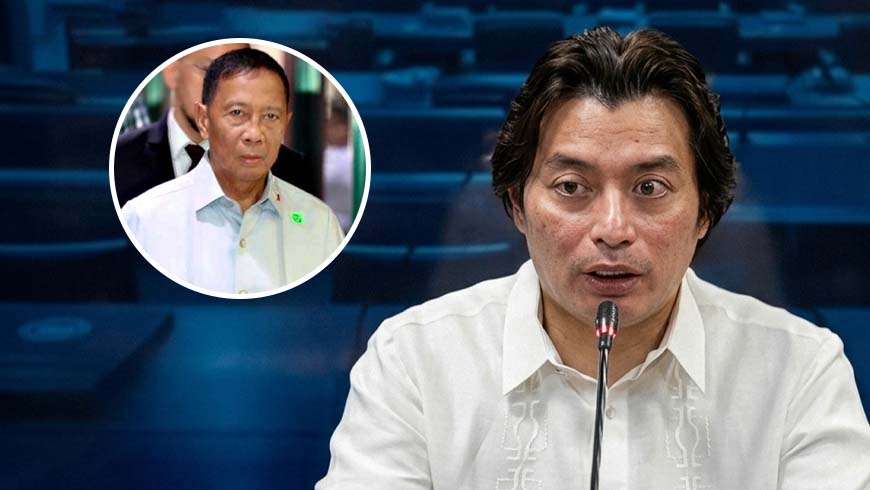
PASAY CITY—Atty. Michael Poa offered a public apology to former Vice President Jejomar Binay on August 4 after raising the issue of 2014 confidential funds on the twelfth day of the impeachment trial of Vice President Sara Duterte.
The former Office of the Vice President (OVP) spokesperson clarified that he had no intention of attacking the former official when he brought up the past budget allocations.
“I have to apologize if I offended anyone from VP Binay’s camp. I didn’t want to drag his name into this,” Atty. Poa stated directly in a press conference after the court proceedings.
Poa explained that his statement was meant to show that confidential funds are not exclusive to current Vice President Sara Duterte's term.
He stressed that he initially tried to avoid naming Binay directly while presenting the OVP's historical spending background.
“In fact, if you notice, kanina pinipilit kong hindi sabihin talaga kung sino ‘yung vice president. Sinabi ko lang na may pondo sa OVP noong 2014,” he added to clarify his intent.
The court heightened scrutiny over the handling and history of confidential and intelligence funds across government offices.
Poa reiterated that his reference to the 2014 budget was purely factual context rather than a deliberate effort to implicate the former leader.
Binay’s camp has yet to issue a formal response regarding the trial statement or the apology.
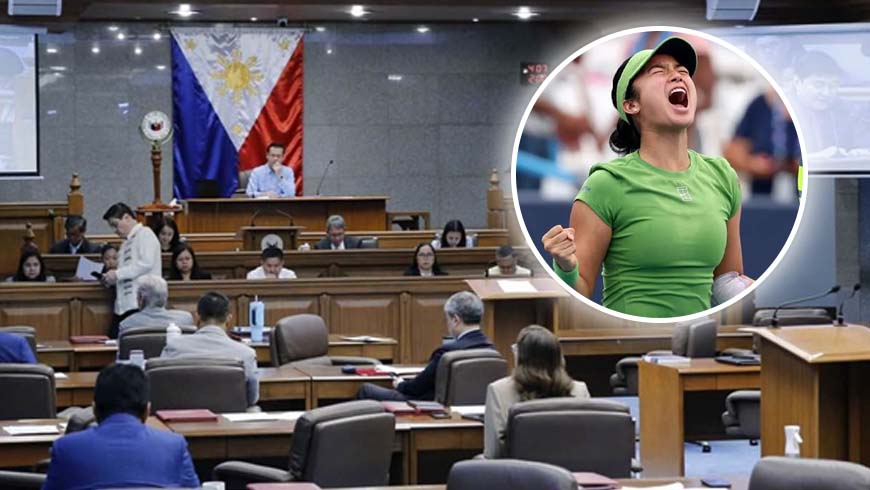
PASAY CITY—The Senate rallied behind Alex Eala on August 4, celebrating her historic victory at the 2026 WTA Mubadala DC Open.
Eala became the first Filipina to capture a WTA singles crown, a landmark triumph in Washington D.C. that propelled her to a career-high World No. 20.
The plenary hall echoed with praise as lawmakers cheered her hard-fought win and called for stronger, sustained investment in local sports development to build on this global success.
Senate President Win Gatchalian lauded Eala for giving the nation its first international tennis championship, noting how millions of Filipinos stayed up late to watch her match.
He emphasized that the late-night sacrifice paid off, bringing much-needed hope and inspiration to the country.
“At si Alex ay nagbigay ho sa atin ng inspirasyon na kung tayo po ay magbubuklod‑buklod, magpupursigi, wala ho tayong mga hamon na hindi po malalampasan. Kaya congratulations, Alex! At maraming salamat sa pagbibigay sa atin ng inspirasyon,” SP Gatchalian said.
Sen. Erwin Tulfo joined the congratulations during Tuesday’s plenary session, hailing Eala’s accomplishment as a monumental milestone for the entire nation.
In his manifestation, Tulfo highlighted how her grit proves that grit and discipline can overcome any obstacle on the world stage.
“Alex's triumph is a reminder that excellence knows no boundaries. One's nationality, size, or resources need not define one's destiny. What matters is the courage to dream, the discipline to prepare, and the resilience to persevere,” Senator Tulfo said.
