


%201.svg)


Emergency Hotline:
(+63) 2 911 – 8688


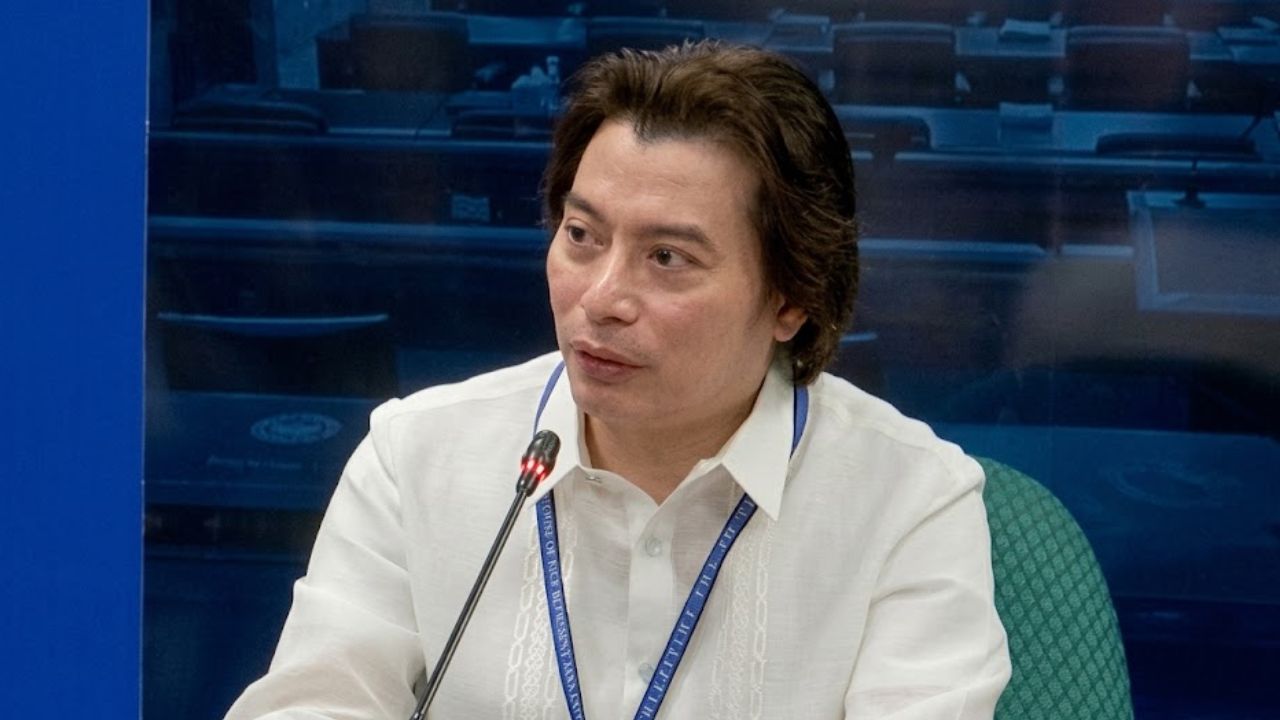

Defense spokesperson Atty. Michael Poa respects the legal opinion of the amici curiae regarding the voting threshold in the impeachment trial of Vice President Sara Duterte, whether it favors their side or not.
“We really welcome all the opinions and of course, the positions given not only by the amici that were present kanina, but also of Chief Justice Davide who sent his position via memorandum,”
“It really provides us an insight not only with the current constitution, but even the historical perspective,” he added
Atty. Poa also explained that various opinions and interpretations of the laws can be normal and common.
“Sabi nga nila, 'you have 10 lawyers in a room, you may have 12 or 15 opinions', so normal naman po iyan,” he said
“We have to keep our minds open, just in case, may punto naman talaga yung sinabi kahit salungat sa ating posisyon. Baka may mapupulot din tayo na aral doon,” he added
Meanwhile, when Atty. Poa was asked whether they plan to bring the matter to the Supreme Court, he said that the defense cannot release the final decision yet because they are still on the assessment if the issue is justifiable to submit before the Supreme Court.
“Kasi may mga tinatawag tayong justiciable issues or non-justiciable issues. Meaning, mga bagay na pwede nating idulog sa Supreme Court. May mga bagay na hindi o baka premature pa,” he said
“So sa atin wala pa naman tayong sinasabi. Depende yan sa sitwasyon and sa aming assessment kung ito ay tamang i-akyat sa Supreme Court – kung ito ay justiciable issue,” he added
Atty. Poa also assured that they have no intention to obstruct or delay anything, just in case they need to seek the Supreme Court’s insight.
“Makakaasa kayo na hindi naman kami aakyat ng Supreme Court para lang sa manggulo or mag-delay or anything like that — that's really not our purpose,” he said
Following the participation of the amici curiae on September 16, the oral arguments of the defense and prosecution are set on September 23, 2026.
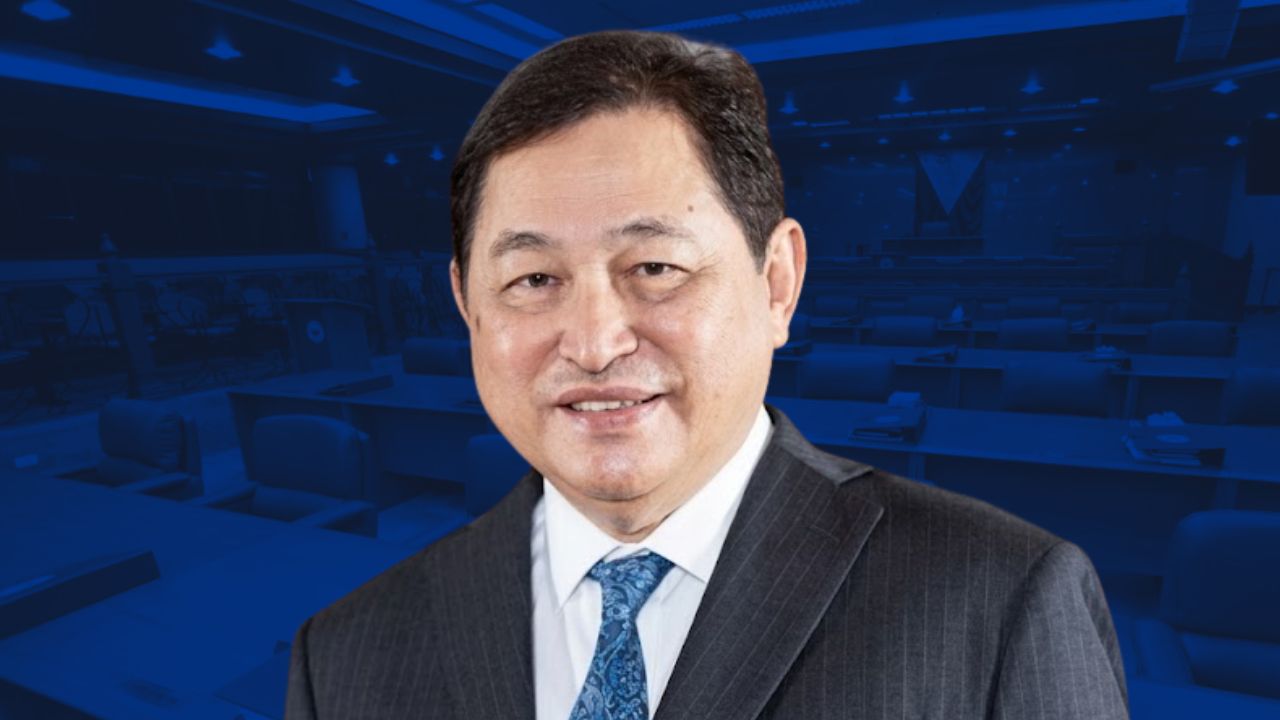
Retired Supreme Court Associate Justice Adolfo S. Azcuna has been tapped to serve as amicus curiae, or a friend of the court, to advise on the voting threshold for the impeachment trial of Vice President Sara Duterte.
The former Associate Justice completed his Bachelor of Arts and continued his law degree at Ateneo de Manila University. He also pursued post-graduate studies in International Law and Jurisprudence at the McGeorge School of Law in Salzburg, Austria.
For a long time, Azcuna spent his service in the judiciary, constitutional bodies, the executive branch, and academia.
He served as an elected delegate to represent Zamboanga del Norte in the 1971 Constitutional Convention. In 1986, he was appointed as a member of the 1986 Constitutional Commission and drafted the 1987 Constitution.
Under the administration of late President Corazon Aquino, Azcuna served as the Presidential Legal Counsel, Press Secretary, and Presidential Spokesperson.
Azcuna was appointed to the Supreme Court as Associate Justice from October 2002 to February 2009, under the administration of former President Gloria Macapagal-Arroyo.
Following his term in the Supreme Court, he served as a Chancellor in the Philippine Judicial Academy from June 1, 2009 to May 31, 2021.
Azcuna served as one of the commissioners in the International Commission of Jurists (ICJ) from 2014 to 2019 and was elected to the Board of Executives of the International Organization for Judicial Training (IOJT) in November 2017.
He also taught International Law at the Ateneo de Manila University from 1967 to 1986 and has authored numerous legal publications.
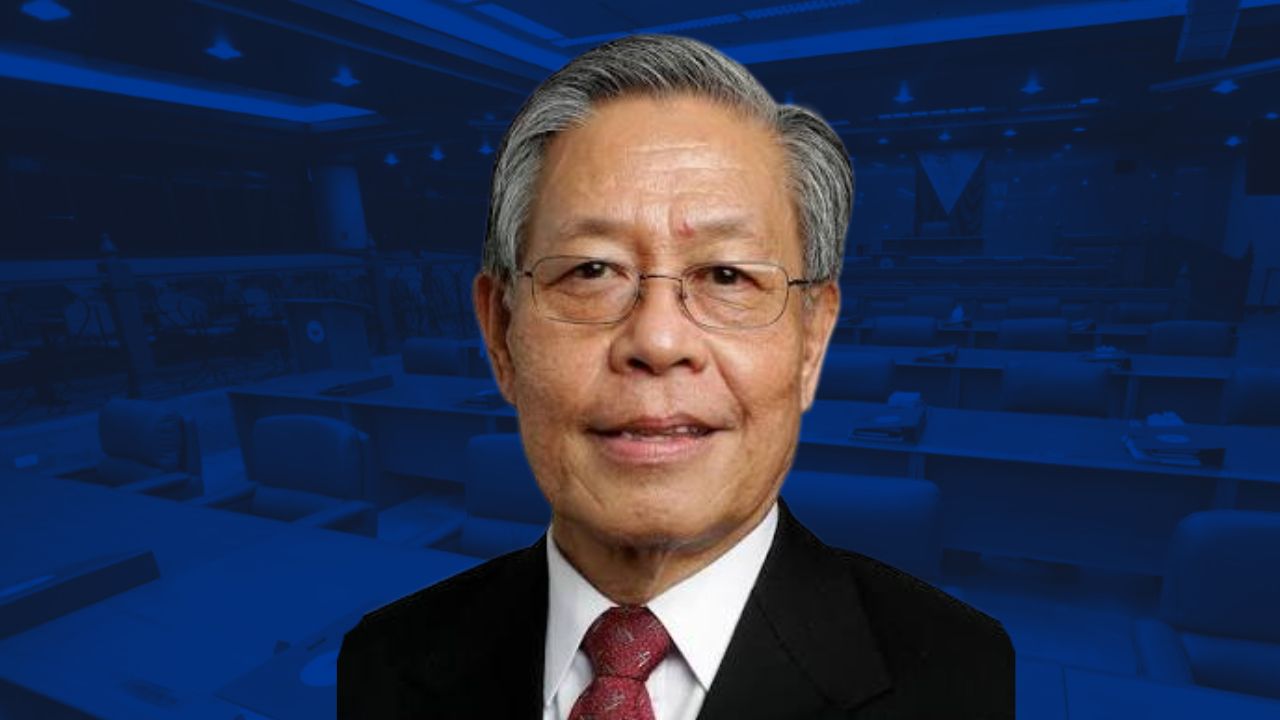
Retired Chief Justice Hilario Davide Jr. is one of the invited legal experts of the Senate impeachment court to provide advice on the voting threshold in the impeachment trial of Vice President Sara Duterte.
Davide served as a Presiding Officer during the impeachment trial of former President Joseph “Erap” Estrada.
Before his appointment to the Supreme Court as Chief Justice, his career in public service began in Cebu as Private Secretary to the Vice Governor and then to the Governor of Cebu from 1959 to 1963, and also included serving as one of the commissioners who drafted the 1987 Constitution.
Under the administration of late President Corazon “Cory” Aquino, the former chief justice also served as the Chairman of the Commission on Elections (Comelec) from Feb. 16, 1988 to Jan. 11, 1990. From 1989 to 1991, he served as the Chairman of The Presidential Fact Finding Commission.
Following his service in the Executive branch, Davide Jr. was appointed to the Supreme Court as Associate Justice from Jan. 24, 1991 to Nov. 29, 1998, and then promoted as Chief Justice from Nov. 30, 1998 to December 20, 2005.
In addition to his extensive public service, the former chief justice devoted his six years to legal education as a faculty member at the Southwestern University - College of Law in Cebu City from 1962 to 1968.
Beyond his legal career, Davide Jr. holds honorary degrees in humanities, law, and public administration from various prestigious universities in the Philippines.
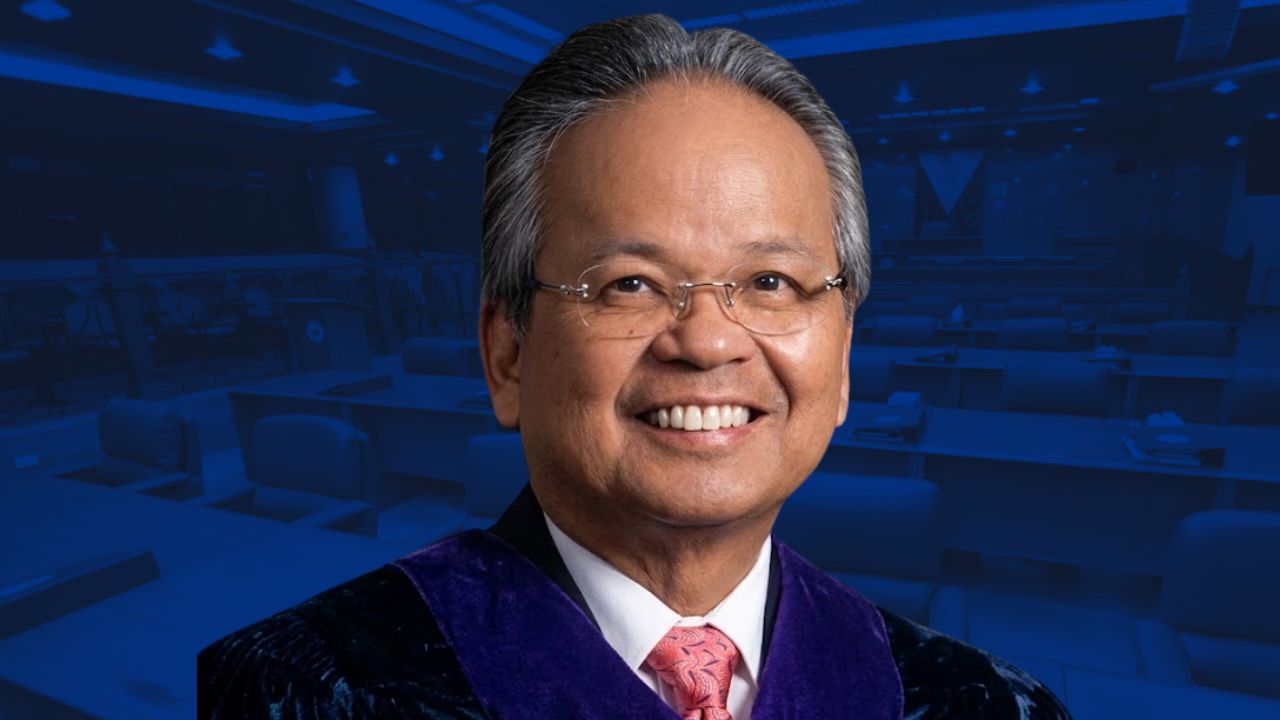
Artemio Panganiban earned his Associate of Arts and Bachelor of Laws degrees at Far Eastern University.
For many years, he dedicated his career to law, academia, and public offices before being appointed as Chief Justice of the Supreme Court.
He entered the legal profession in 1961 as an Associate at Salonga, Ordonez & Associates Law Office. In 1963, he became a senior partner at Panganiban, Benitez, Parlade, Africa & Barinaga Law Office (PABLAW). Concurrently, he served as Legal Consultant to the Secretary of Education and the National Board of Education from 1963 to 1965.
Alongside his career in law firms and public office, he also served as a Professor of Law and Political Science for 9 years at Far Eastern University, Assumption Convent, and San Sebastian College from 1961 to 1970.
After building a strong foundation in private practice, legal education, and public service during the 1960s, he joined the judiciary and was appointed Associate Justice from October 10, 1995, to December 20, 2005, then later appointed as Chief Justice from December 21, 2005, to December 5, 2006.
In addition to his leadership in the Supreme Court, he also served as a special lecturer at the Philippine Judicial Academy from 2004 to 2006.
And now, Panganiban has been invited to serve as an amicus curiae, or a friend of the court, who will provide legal advice regarding the voting threshold in the impeachment trial of Vice President Sara Duterte
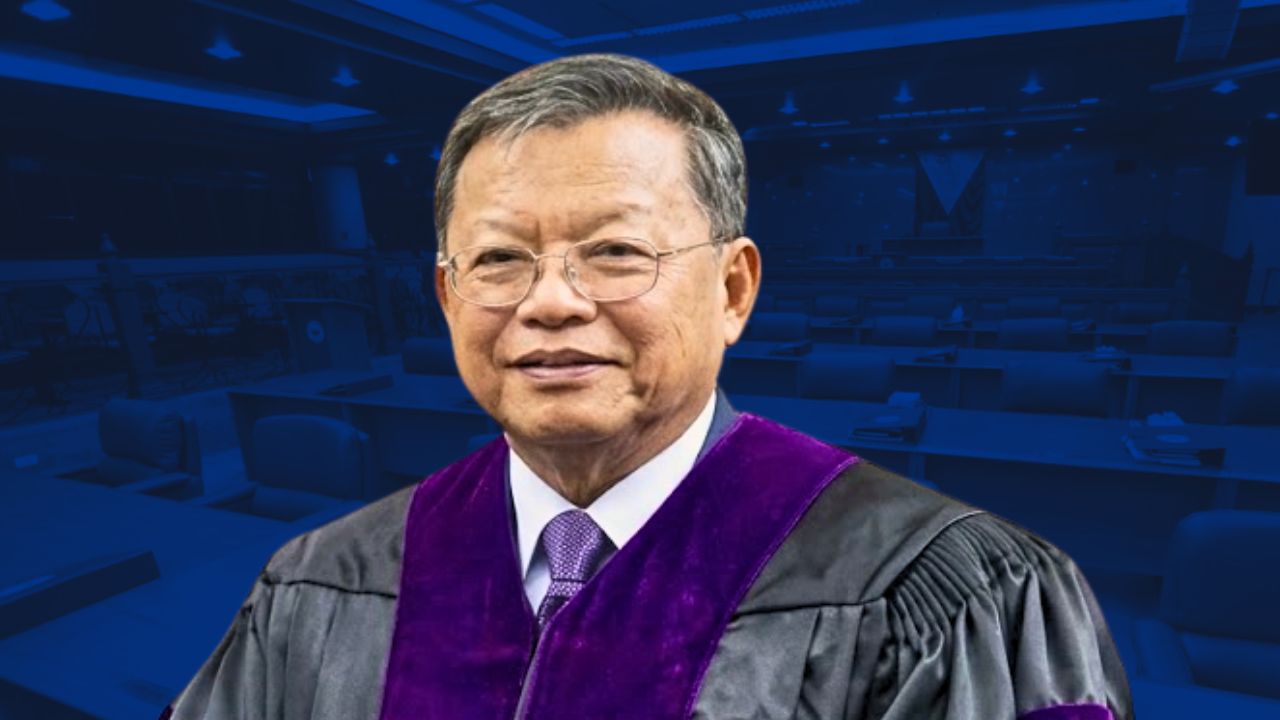
Former Supreme Court Chief Justice Reynato Puno has been invited by the Senate impeachment court, as he was included among the legal experts tapped by the court to provide legal advice on the voting threshold in the impeachment trial of Vice President Sara Duterte.
Puno graduated with a Bachelor of Science in Jurisprudence, followed by a Bachelor of Laws from the University of the Philippines. He also pursued his postgraduate degrees abroad, earning a Master of Comparative Laws from Southern Methodist University and a Master of Laws from the University of California, followed by a Doctor of Juridical Science from the University of Illinois.
The retired chief justice built an extensive career in private law practice, legal education, public offices, and four decades of service in the Philippine judiciary.
Puno began his legal career in 1962 as an Assistant Attorney in Gerardo Roxas and Abraham F. Sarmiento Law Office. The following year, he entered public service as a Tax Attorney for the Joint Legislative and Executive Tax Commission until 1967.
Alongside his service in the government, Puno served as a Professor of Law at Far Eastern University from 1969 to 1973. Besides, the former chief justice also served as a lecturer in the U.P. Law Center - Institute of Judicial Administration and a special lecturer in Constitutional Law at the Philippine Judicial Academy.
In 1971, he joined the Office of the Solicitor General (OSG) as a solicitor. In 1974, Puno was promoted to Assistant Solicitor General in 1974, serving in the position for eight years.
He was appointed Associate Justice of the Court of Appeals from 1980 to 1984. During his period in the executive branch, he also served as Acting Chairman of the Board of Pardons and Parole in February 1985.
Puno returned to the Court of Appeals as Associate Justice on August 1, 1986. He also continued to apply his legal expertise to legal education, serving as a Bar Examiner in Mercantile Law in 1989 and in Taxation in 1993.
On July 6, 1993, Puno was appointed to the Supreme Court as Associate Justice and served for 13 years, and was subsequently promoted to Chief Justice on December 7, 2006, until May 16, 2010.
