


%201.svg)


Emergency Hotline:
(+63) 2 911 – 8688


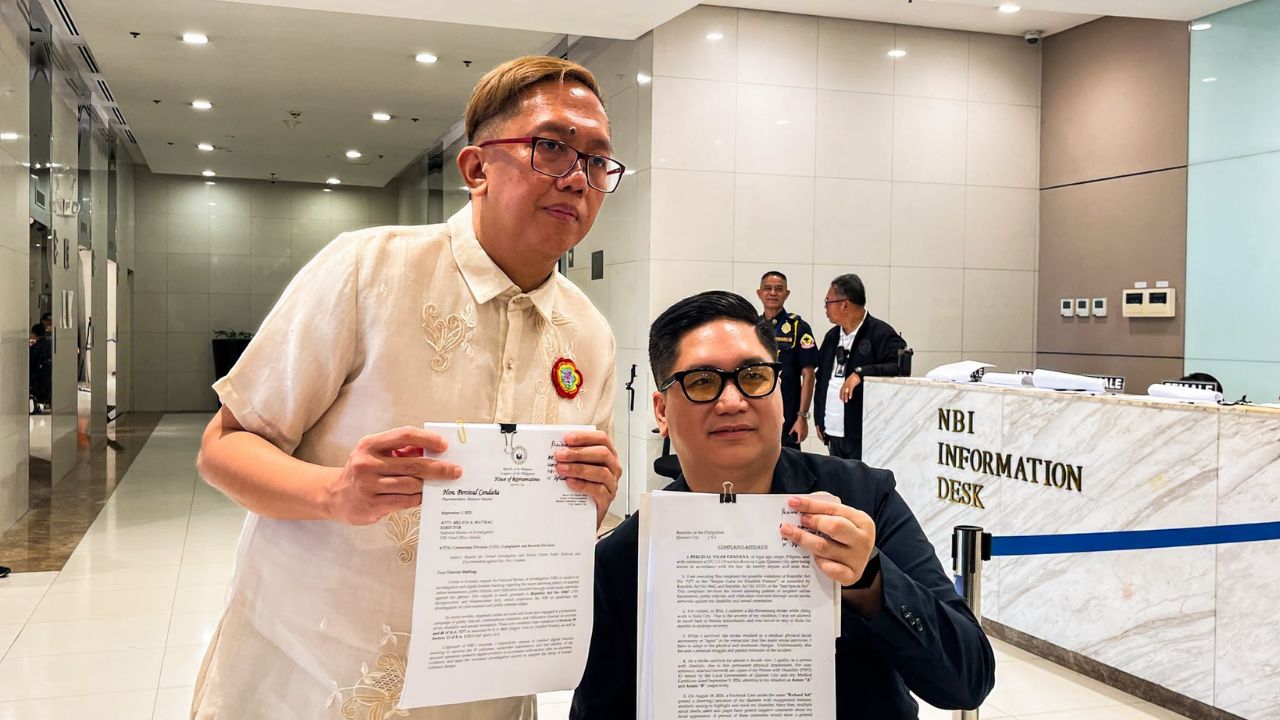

Akbayan Party-list Percival Cendaña, together with 1PWD Party-list Rep. JD Castro, filed a complaint before the National Bureau of Investigation (NBI) to seek a probe into more than 30 online accounts mocking persons with disabilities (PWDs) that allegedly violate the Magna Carta of Disabled Persons and Safe Spaces Act.
The lawmaker added that the call to address acts of disrespect and shaming originated from the PWD community itself.
“Nasa PWD community ang nagsabi na hindi dapat ito pinapalampas kasi kung palalampasin lamang ito, manonormalize ang pambabastos at panghihiya sa mga PWD,” he said
“Isa itong violation ng Magna Carta for disabled persons,” he added
The lawmaker also labeled the disrespect and shaming against PWDs as illegal due to the power of the law.
“So actually illegal na gawing katatawanan, illegal na gawing subject of ridicule ang mga people with disabilities,” he said
Meanwhile, vlogger Cho Moreno said in a Facebook post that he heard the news regarding reports that he was among those named in Cendaña’s complaint before the NBI over alleged violation of the two laws.
He said this was no longer a surprise for him, as he had long anticipated that numerous complaints would be filed against Duterte supporters.
“I cannot say that I am surprised. In fact, I have long anticipated that more complaints would be filed against vocal Duterte supporters and content creators as the 2028 elections draw closer,” he said
“I view this latest complaint as politically motivated and as another attempt to intimidate and legally pressure vocal Duterte supporters,” he added
He also stated that he would face any complaint against him, but he would not allow the filing of charges to silence him.
“I will answer any complaint through the proper legal process. But I will not allow the filing of cases to intimidate me into silence,” he said

Metro Manila and several parts of Luzon have been affected by the southwest monsoon since August. In the presence of heavy rains, a clear succeeding issue is the widespread flooding in various areas, especially those in low-lying zones and riverside areas
Hence, if there’s a flooding issue, public scrutiny on the flood control projects intensifies.
In response, the Department of Public Works and Highways (DPWH) plans to construct and expand the drainage inlets along flood-prone major roads in the National Capital Region.
But what role do the drainage inlets play in flood mitigation?
You have likely seen them along several major roads while going to work or school.
The most common drainage structures visible along roads are curb inlets and grate inlets.
A curb is a vertical opening built into the sidewalk that channels surface runoff into underground drainage networks. A grate inlet, meanwhile, is a surface opening covered with a metal or concrete grid designed to capture surface water and direct it into stormwater or sewer systems.
Across Metro Manila, however, many of these drainage points are clogged with garbage.
Rainfall nowadays is heavier, which is also driven by the impact of climate change. Heavy downpours rapidly lead to urban flooding. When drainage inlets remain obstructed by waste, floodwaters will take longer to subside.
While infrastructure improvements continue, public cooperation remains crucial. Proper waste management and responsible garbage disposal are essential to support effective flood mitigation efforts.

The Senate impeachment court announced the appointment of the former Supreme Court justices to serve as amici curiae or ‘friends of the court’.
They were invited to the impeachment trial to provide legal expert advice on the required voting threshold in the impeachment trial of Vice President Sara Duterte.
Among those invited to appear before the court are Retired Chief Justices Artemio Panganiban and Reynato Puno; Associate Justice Adolfo Azcuna is also included in the list.
The former presiding officer in the impeachment trial of former President Joseph Estrada, Retired Chief Justice Hilario Davide, is also invited.
The invited retired justices are expected to appear before the impeachment court on September 16, 2026.
Some senator-judges expressed that they prefer to let the Supreme Court decide the voting threshold in the impeachment trial of Vice President Sara Duterte.
“Let the Supreme Court decide kaysa naman kami — ako, opinyon ko lang yun,” Senator-Judge Raffy Tulfo said
“Gusto ko Supreme Court mag-decide para wala nang away,” he added
Meanwhile, Senator-Judge Joseph Victor ‘JV’ Ejercito stated that he is ready to wait for the decisions on the upcoming oral arguments on September 23. He also noted that he favors bringing the voting threshold matter to the Supreme Court to relieve the burden of the Senate impeachment court.
“Kung gugustuhin ko, sana sa Supreme Court na lang para hindi na kami mahirapan din, pero depende kung anong gusto ng impeachment court, ng judges. Depende sa aming pag-uusapan on September 23, then we will just have to make the decision kung saka-sakali,”
Currently, under the ruling of the presiding officer, the discussion with amici curiae, or friends of the court, is set on September 16. The friends of the court refer to those legal experts who may help and assist the Senator-judges in deciding on the voting threshold.
The oral arguments with the prosecution and defense are set on September 23, which will be followed by voting or issuance of a decision on the matter.
With reports from Jed Nerecina
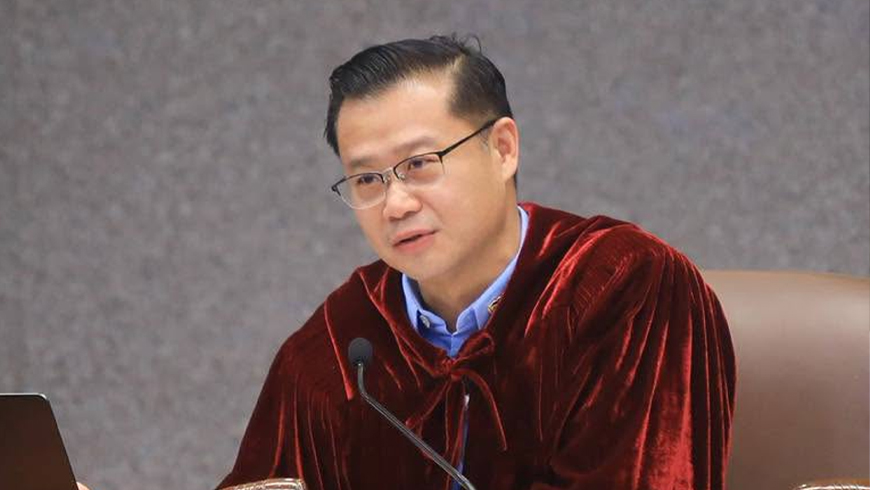
A verdict on the impeachment trial of Vice President Sara Duterte may be possible before December. Senate President Sherwin Gatchalian confirmed this as the prosecution team reduces the number of witnesses in the trial.
“Yung prosekusyon, nagbawas din sila ng number of witnesses, tapos may bago kaming timetable nga yung 10 days na full day. (Sa) timetable na nakikita namin, hopefully before December, matapos na lahat,” he said
The Senate impeachment court plans to hold several full-day trial sessions in October.
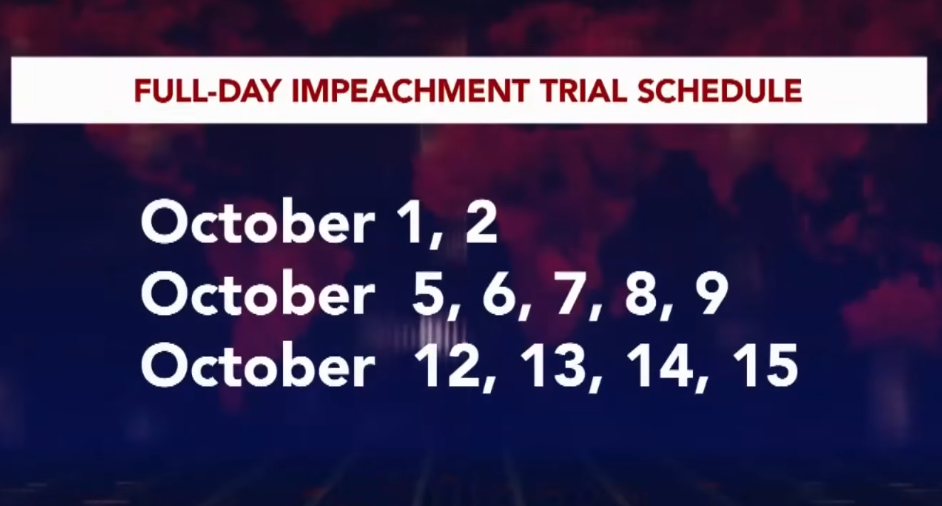
The trial will begin at 10:00 AM and continue until the day’s scheduled proceedings are completed.
There will be no budget deliberations on the scheduled dates dedicated to trial days.
