%201.svg)


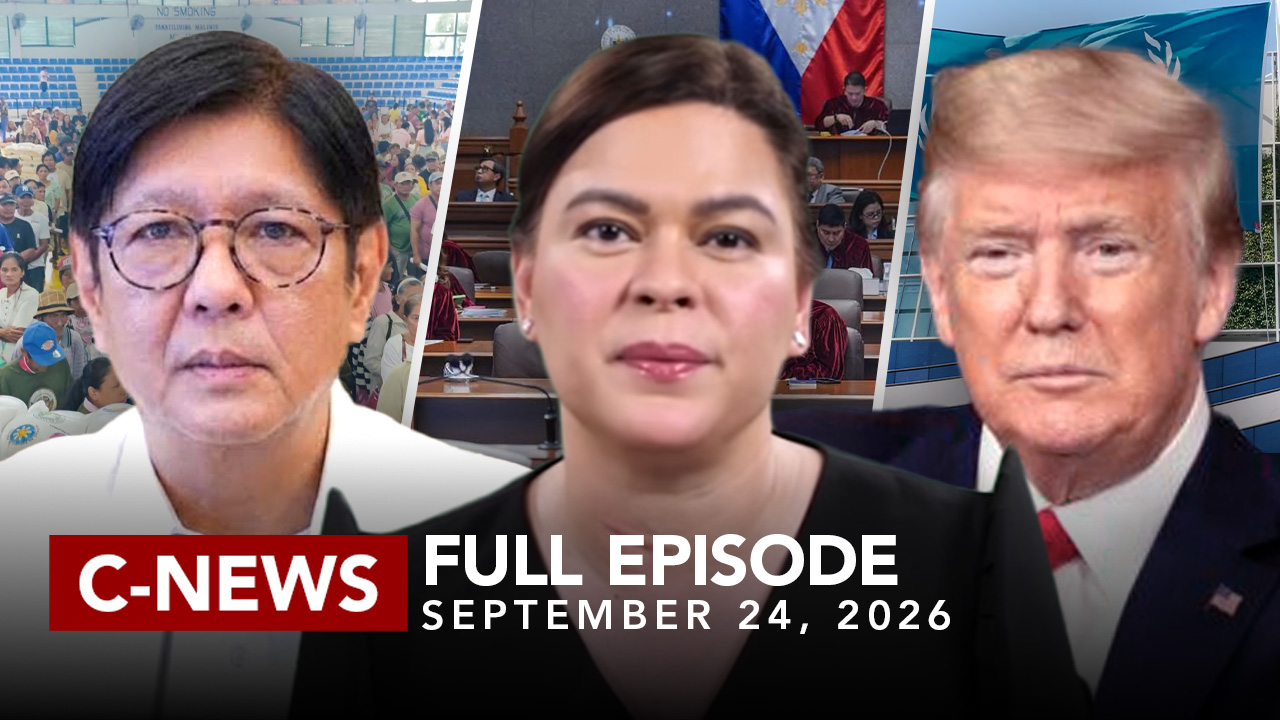
The impeachment complaint against Vice President Sara Duterte is expected to formally move forward in the coming steps. For the understanding of the ordinary Filipino, here is a look at what the impeachment process is and why it matters.
Impeachment is one of the most powerful mechanisms of democracy in the country. It is a means of holding a high government official accountable for serious violations of their sworn duty, as provided under the 1987 Constitution.
What is impeachment?
It is a constitutional process through which a high government official may be removed from office. Unlike a criminal case, impeachment does not carry a penalty of imprisonment. Instead, it determines whether an accused official should be removed from their position and permanently barred from running for any government post.
Who can be impeached?
Impeachment applies only to a specific group of government positions - the President, Vice President, members of the Supreme Court, members of the Constitutional Commissions, and the Ombudsman. These positions are considered critical to the leadership and governance of the country, which is why each of them is covered by the distinct accountability mechanism of impeachment.
What are the grounds for impeachment?
Any of the aforementioned officials may be impeached on the following grounds: culpable violation of the Constitution; treason; bribery; graft and corruption; and other high crimes and betrayal of public trust. Among these, betrayal of public trust is most frequently debated, as it involves violations of the expected conduct and behavior of a public servant.
How does the impeachment process work?
The impeachment process begins at the House of Representatives, where any legislator or ordinary citizen with the endorsement of a congressman may file a complaint against an impeachable official. The House Justice Committee must determine whether the complaint is sufficient in form and substance. If so, the respondent is given the opportunity to answer the complaint.
The committee then determines, based on evidence, testimonies, and deliberations, whether there is probable cause. If probable cause is found, the complaint is brought to the plenary through a majority vote of the members, where all legislators will deliberate on it. Only upon the vote of one-third of all members of the House will the articles of impeachment be transmitted to the Senate for formal trial.
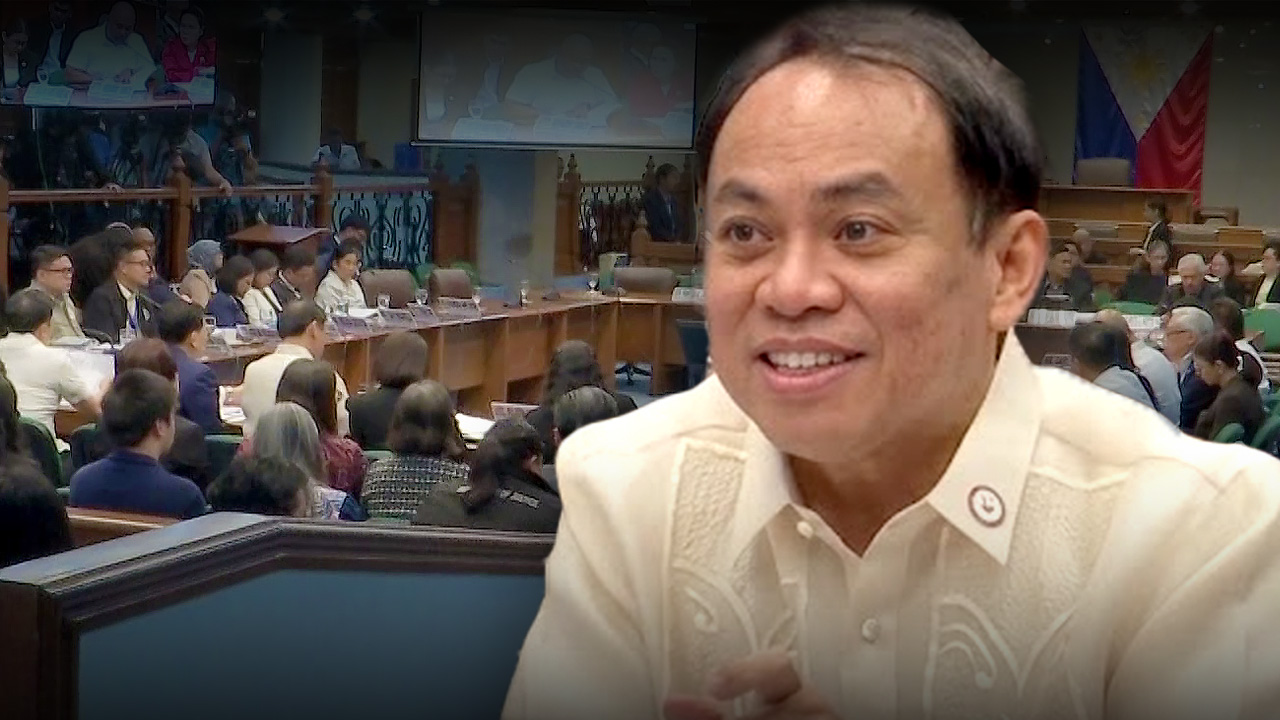
House Committee on Justice Chairperson and Batangas 2nd District Representative Gerville Luistro expressed confidence that the process will move forward without legal impediments.
"First and foremost, wala namang legal predicament kasi wala namang na-issue na TRO, wala namang lumabas na injunction, tapos very soon on May 4, sabay nang magreresume ang House at saka ang Senate. So in the absence of other challenges which may hamper the trial in the Senate, I think the Senators will be able to convene within the reasonable period of time as pronounced in the decision of the Supreme Court."
["First and foremost, there is no legal predicament because no TRO has been issued, no injunction has come out, and very soon on May 4, the House and the Senate will resume at the same time. So in the absence of other challenges which may hamper the trial in the Senate, I think the Senators will be able to convene within the reasonable period of time as pronounced in the decision of the Supreme Court."]
What is the role of the Senate?
The Senate serves as the impeachment court, with senators acting as judges. The congressmen, meanwhile, serve as prosecutors. If the accused is the President of the country, the Chief Justice serves as the presiding judge.
A conviction requires a two-thirds vote of all senators. Once convicted, an official is removed from office and is permanently barred from running for any government position. Beyond this, the official may also face charges before a local court.
What are the limitations of impeachment?
Under the Constitution, an official cannot face two or more impeachment proceedings within a single year. Impeachment, or removal from office, is also not equivalent to a criminal conviction.
Who has been impeached in the Philippines?
Several officials in the Philippines have undergone or been convicted in impeachment cases. Former President Joseph Estrada faced the process in 2000, though it did not reach a conclusion due to widespread protests that led to his ouster.
In 2012, former Supreme Court Chief Justice Renato Corona was convicted. In 2018, Chief Justice Maria Lourdes Sereno faced impeachment proceedings but was removed from office through a separate legal case.
Why does impeachment matter?
Impeachment is proof of a functioning democracy in the Philippines, and an affirmation of the important legal principle that no government official stands above the Constitution.
"We owe it to the next generation to show them that no one, no matter how powerful, no matter the title, is above the law."
Through Congress's power to initiate and decide on impeachment complaints, a government official is reminded that they carry a political and legal responsibility to the people, one they must answer for the moment it is violated.
If Vice President Sara Duterte is impeached, who could replace her?
The President of the country will appoint a replacement should Vice President Sara Duterte be convicted in the impeachment case.
The appointee will come from among the senators or congressmen through a majority vote. The position vacated by the appointed Vice President will then be filled through a special election.
With reports from Bernard Dadis