%201.svg)


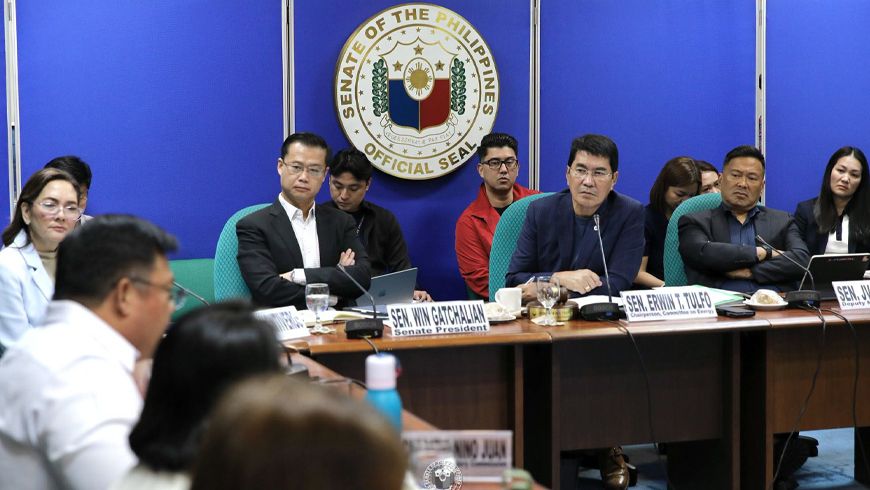
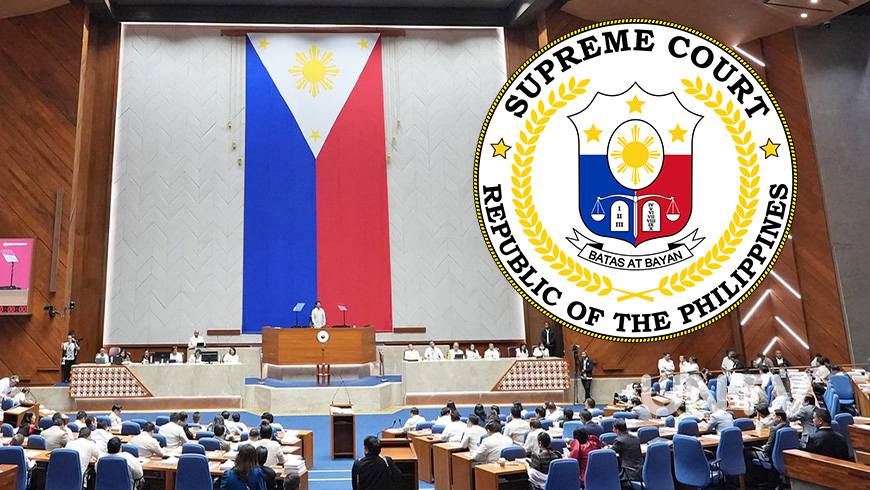
PASAY CITY—The Senate Committee on Energy fast-tracked deliberations on Thursday to amend the 25-year-old Electric Power Industry Reform Act (EPIRA), in response to President Ferdinand “Bongbong” Marcos Jr.’s recent State of the Nation Address directive to lower power costs.
Committee Chair Sen. Erwin Tulfo gathered government agencies, private utilities, and consumer groups to dissect aggressive proposals aimed at stripping both recoverable system losses and the value-added tax (VAT) directly from monthly electric bills.
However, the panel faces a steep balancing act as they weigh the government's fiscal loss against industry warnings of a ₱60-billion hit from scrapping the system loss charges.
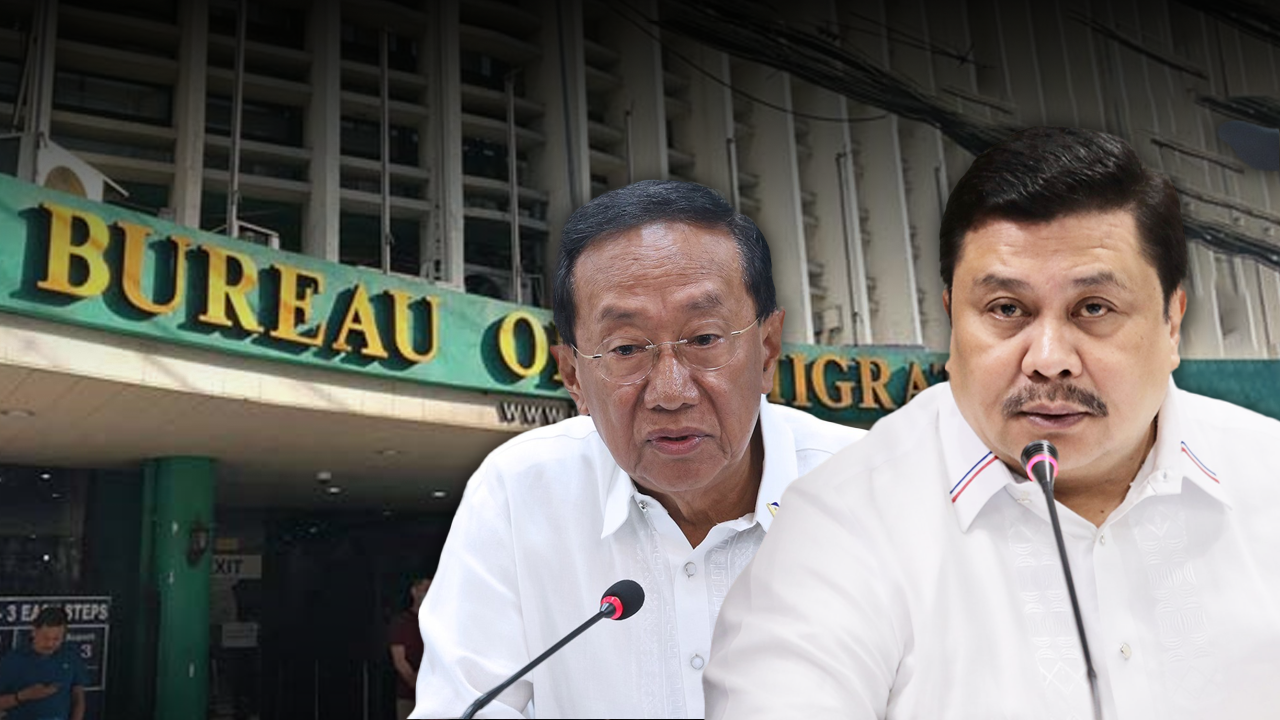
Pushing hard for immediate relief, Senate Deputy Majority Leader Joseph Victor “JV” Ejercito championed Senate Bills 2342 and 2343 to force power companies to absorb operational inefficiencies rather than passing them to consumers.
Citing Department of Energy projections that these cuts could slash household bills by 5% to 10%, Ejercito demanded institutional accountability.
"Beyond cheaper electricity bills, the committee’s goal should be institutional reform, holding utility companies strictly accountable and driving them to improve operational efficiency. The responsibility for minimizing system losses should rest with the entities that own, operate, and manage the distribution system, not with ordinary Filipino families already struggling," Senator Ejercito said.
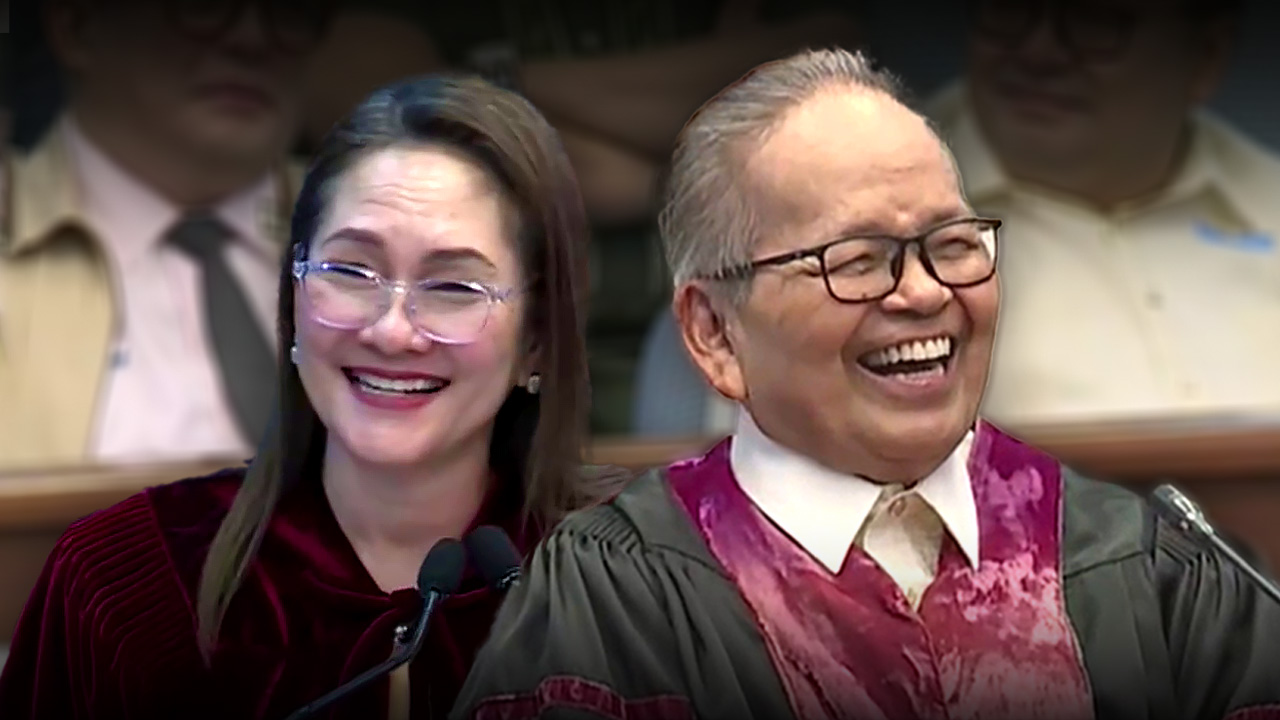
Meanwhile, Sen. Risa Hontiveros pulled no punches, declaring EPIRA a failure because the Philippines still suffers from the highest residential electricity rates in the ASEAN region.
She warned that many households are regularly hit by severe "bill shock," forcing families to make agonizing choices between keeping the lights on or buying food, medicine, and school tuition.
While she supports cutting the system loss charge, Hontiveros argued that the systemic problem requires looking at the much larger generation charge, which covers fuel and heavy industry costs.
To protect consumers from unfair pricing, Hontiveros demanded a rigorous, transparent auditing process before any hidden costs make it onto the public's statement of account.
The generation charge remains the primary driver of the country's inflated electricity rates, making strict oversight vital to any long-term reform.
“Kinikilala natin ang mga tunay at lehitimong gastos sa paglikha at paghahatid ng kuryente. Ngunit bago ito ipasok sa bill, dapat malinaw ang audit at batayan na iyon ang pinakamatarungang singil,” Senator Hontiveros stressed.