PASAY CITY—Senate subcommittee advanced discussions on November 26, 2026, on two landmark legislative measures designed to strengthen national patriotism and preserve the historical legacy of the Katipunan.
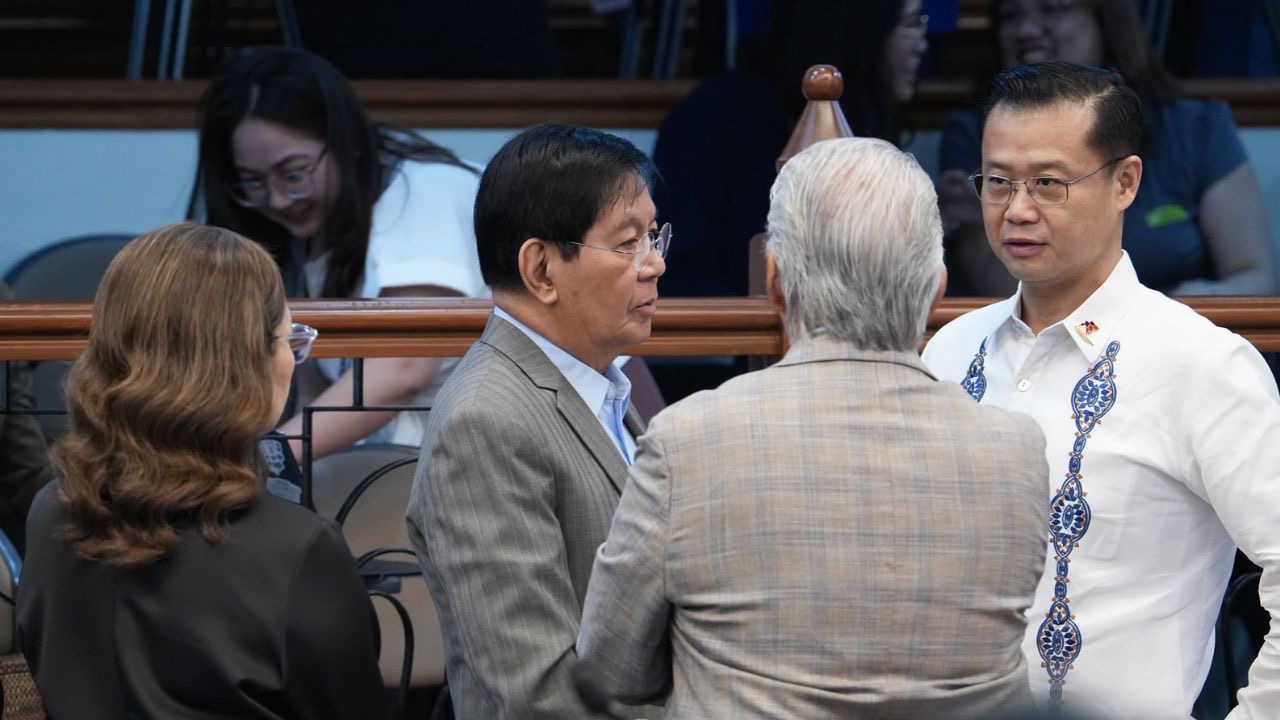
According to a social media update from the Senate of the Philippines, the Senate Culture and Arts Subcommittee conducted a public hearing to deliberate on Senate Bill No. (SBN) 1589, or the Andres Bonifacio Museum Act, and SBN 2449, or the Kartilya ng Katipunan Act.
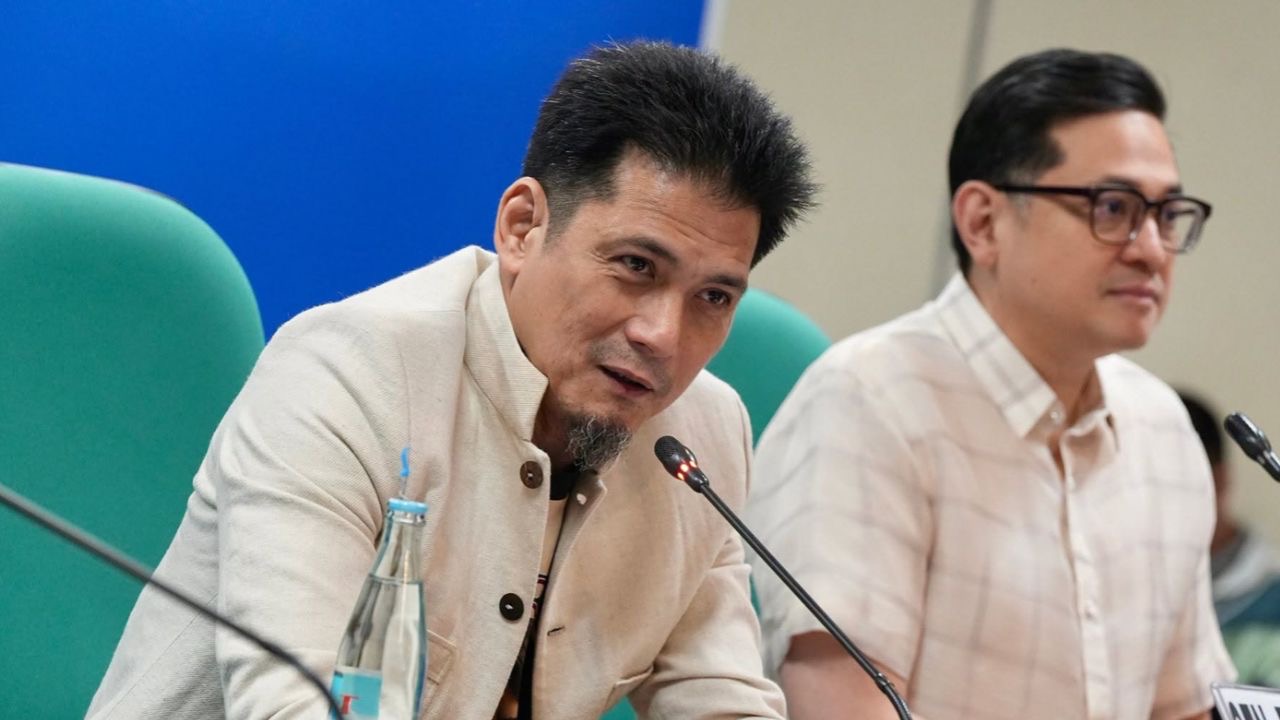
Presided over by Senator Robinhood Padilla, who authored both proposals, the subpanel examined the twin bills’ core objectives.
SBN 1589 seeks to establish a dedicated museum in Manila honoring Andres Bonifacio, while SBN 2449 mandates the permanent installation and public display of the Kartilya ng Katipunan the revolutionary society’s moral code across government offices and schools nationwide.
During the proceedings, Padilla expressed hope that the City of Manila could accommodate the proposed museum in Tutuban to spotlight Bonifacio’s contributions to Philippine independence.
Key cultural, historical, and educational agencies threw their backing behind the measures during the hearing.
Representatives from the National Museum of the Philippines (NMP), the Department of Education (DepEd), the National Commission for Culture and the Arts (NCCA), the National Historical Commission of the Philippines (NHCP), and the National Archives of the Philippines (NAP), alongside various civic groups, voiced their support and offered recommendations to refine the bills. Padilla extended his appreciation to the resource persons for their backing.
Senator Bam Aquino also expressed his full support for both SBN 1589 and SBN 2449 during the subcommittee hearing, emphasizing the enduring relevance of the revolutionary text.
Senator Aquino noted that the Kartilya ng Katipunan serves as a blueprint for true Filipino citizenship, adding that while certain provisions may no longer apply to modern times, taking most of its principles to heart would greatly benefit the nation.
With broad institutional support from cultural agencies and lawmakers, the twin measures aim to embed revolutionary values into everyday public spaces and education.
Following the public hearing, the subcommittee is expected to consolidate the agencies' recommendations as the proposals move forward in the legislative process.