%201.svg)


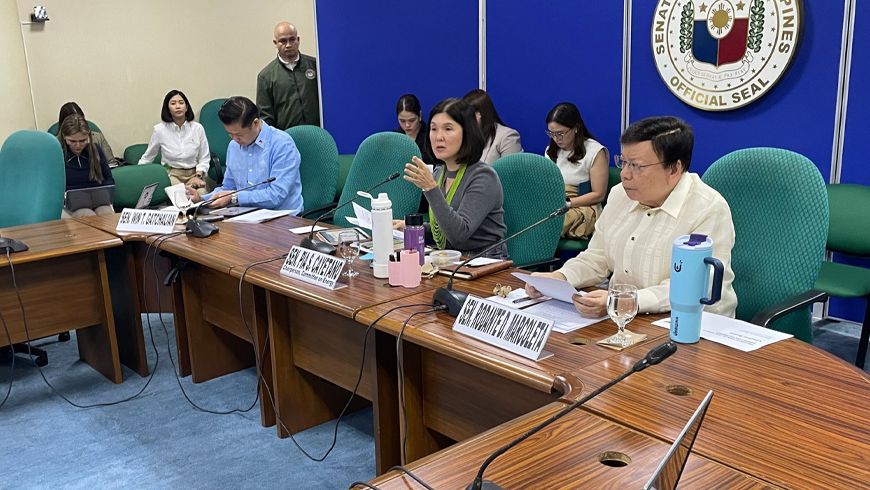
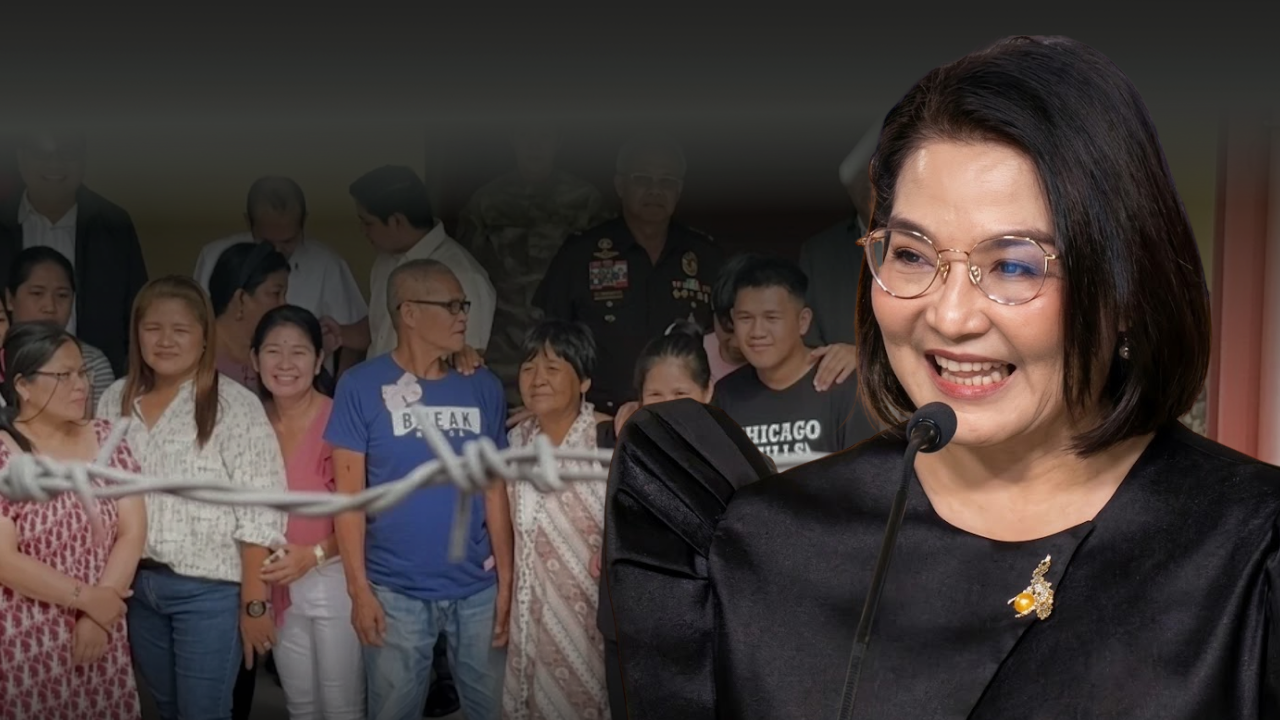
PASAY CITY—The Senate Committee on Energy, led by Senator Pia Cayetano, officially opened deliberations on Monday, February 9, to tackle the country’s dual crisis of mounting garbage and rising electricity costs.
The hearing focused on a suite of legislative measures designed to institutionalize Waste-to-Energy (WTE) technologies, which convert non-recyclable residual waste into usable heat, electricity, or fuel.
By integrating these systems into the national grid, lawmakers aim to reduce the country’s heavy reliance on rapidly filling sanitary landfills while simultaneously boosting the renewable energy sector.
During the session, Cayetano emphasized that the bills represent a proactive shift toward "responsible innovation." The proposed framework seeks to streamline complex regulations and provide clear legal guidelines for both local government units and private investors.
Beyond simple waste disposal, the legislation positions WTE as a strategic tool for climate change mitigation and flood control—preventing plastic waste from clogging urban drainage systems while generating cleaner power for the Filipino public.
The government’s move signals a readiness to turn long-standing environmental challenges into economic opportunities.
By classifying WTE as a renewable energy source, the measures offer fiscal incentives to developers who can provide scientifically validated solutions to the nation’s 92-million-ton waste projection.
"This is about safeguarding the environment for future generations," the committee noted, as they work to finalize a regulatory roadmap that ensures these facilities meet strict health and emission standards under the Clean Air Act.













.png)