%201.svg)


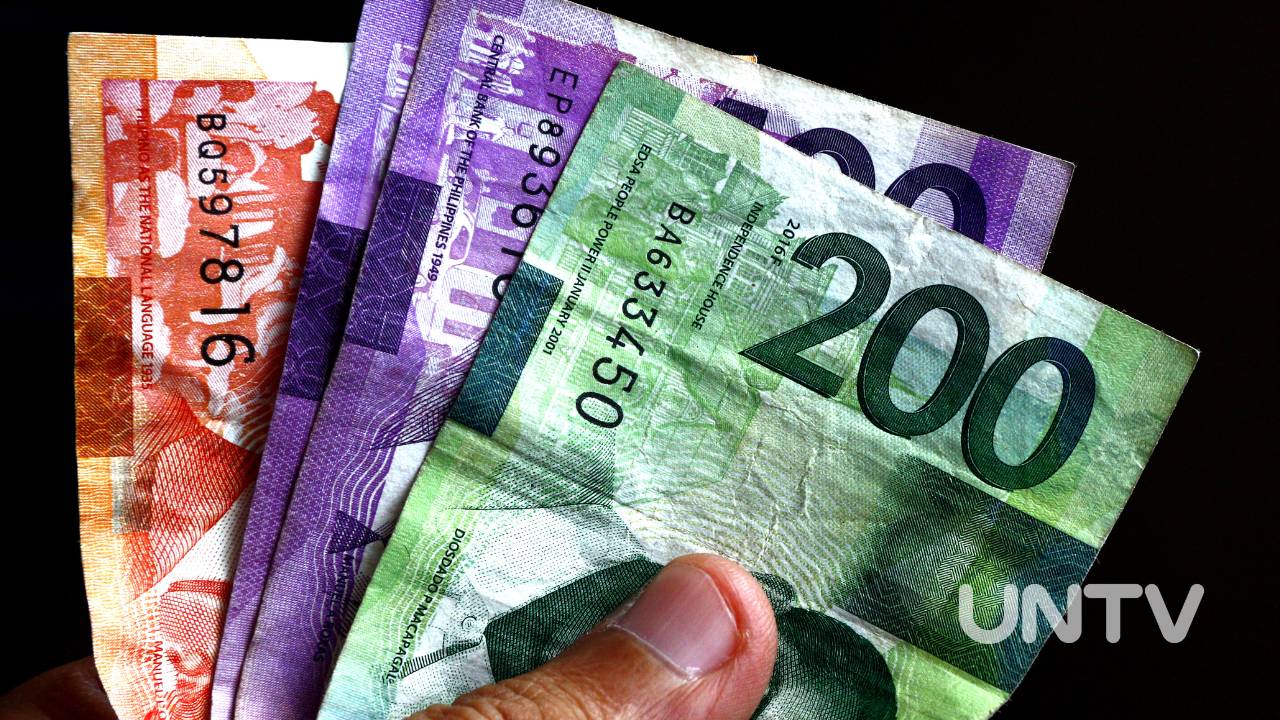
The Philippine peso touched a new all-time low of P61.567 against the US dollar on Wednesday, April 30, 2026, yet another blow to Filipinos already struggling with a rapidly shrinking purchasing power.
The local currency closed at P61.30 the previous day, April 28, itself a record-breaking close. That figure surpassed the previous all-time low close of P60.748 logged on March 31, and marked the peso's biggest single-day drop in over seven months.
The latest record comes as data continues to paint a grim picture of what Filipinos can actually afford. The Philippine Statistics Authority reported that the purchasing power of the peso stood at 0.75 in March 2026, the lowest on record based on 2018 prices.
To put it in everyday terms, what cost P1,000 in 2018 now effectively costs P1,333, meaning the same grocery budget buys considerably less than it did eight years ago. Economists say many Filipinos are already feeling this at the palengke, even when spending the same amount they always have.
What's driving the peso down
Analysts point to the stalled US-Iran negotiations and the prolonged closure of the Strait of Hormuz as key factors behind the peso's continued slide.
As a net oil importer that sources much of its supply from the Middle East, the Philippines is especially exposed to global fuel price shocks. The Bangko Sentral ng Pilipinas responded by hiking benchmark interest rates by 25 basis points, its first increase in more than two years, and has signaled further tightening ahead.
The central bank has also raised its inflation forecast to 6.3% for 2026 and 4.3% for 2027, and now expects prices to remain above its 2%–4% target band well into next year.
Some economists note that this is the third major inflation wave to hit Filipino households in recent years, following the rice price crisis in 2018 and the oil and wheat surge driven by the Russia-Ukraine war in 2022. The current Middle East conflict has added a fresh and severe layer of price pressure.
Who wins, who loses
OFW families and Filipinos earning in US dollars stand to benefit from the weaker peso, as remittances convert to higher amounts in local currency. On the other hand, ordinary consumers bear the brunt of costlier imports, fuel, food, and power among them pushing everyday prices even higher.
Economists have also raised the alarm over the risk of stagflation, where rising prices and slowing economic growth happen simultaneously, squeezing both consumers and businesses.
For now, Filipinos are left stretching every peso further, with no clear end in sight.















.png)