%201.svg)


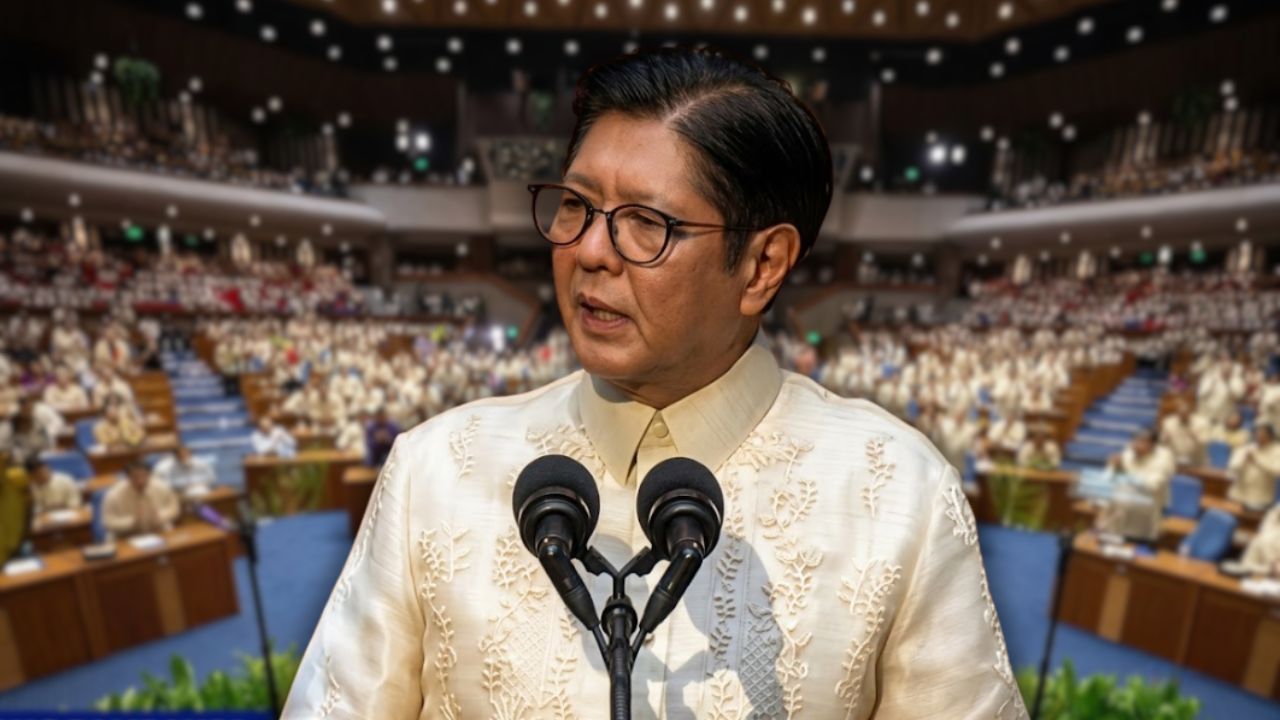
Manila, Philippines – President Ferdinand Marcos Jr. defended his administration's handling of the economic fallout from the ongoing Middle East conflict during his fifth State of the Nation Address (SONA) on Monday, July 27, telling Filipinos the government had done everything it could to cushion the impact of the crisis.
"Mga kababayan, sa ating pagbabalik-tanaw, kaya ko kayong harapin at sabihin na ginawa natin ang lahat ng nararapat upang malunasan ang mga epekto ng krisis. Agarang kumilos ang buong pamahalaan upang tumulong sa mamamayan," Marcos said on his SONA at the Batasang Pambansa.
(My fellow Filipinos, as we look back, I can face you and say that we did everything necessary to address the effects of the crisis. The entire government acted swiftly to help our people.)
The President added that the Philippines' response had even drawn international recognition for its speed and efficiency, though he acknowledged that five months since the war erupted, the country still feels its weight.
The 2026 energy emergency
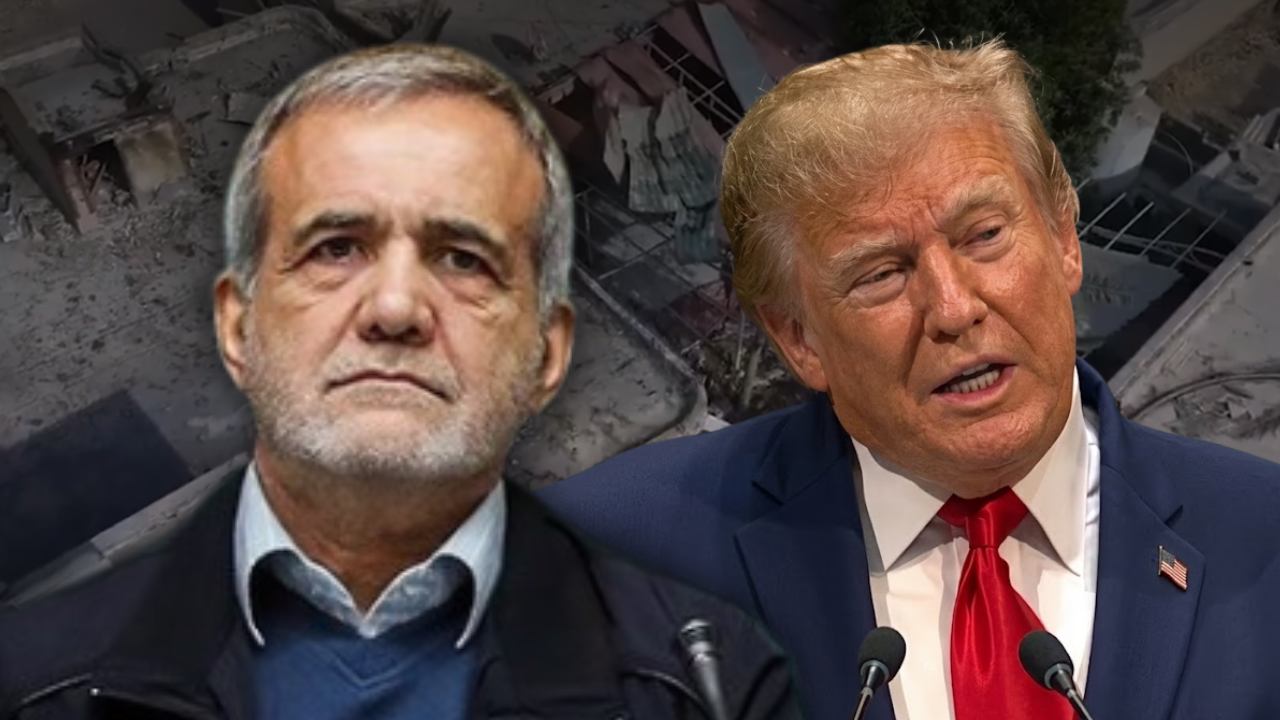
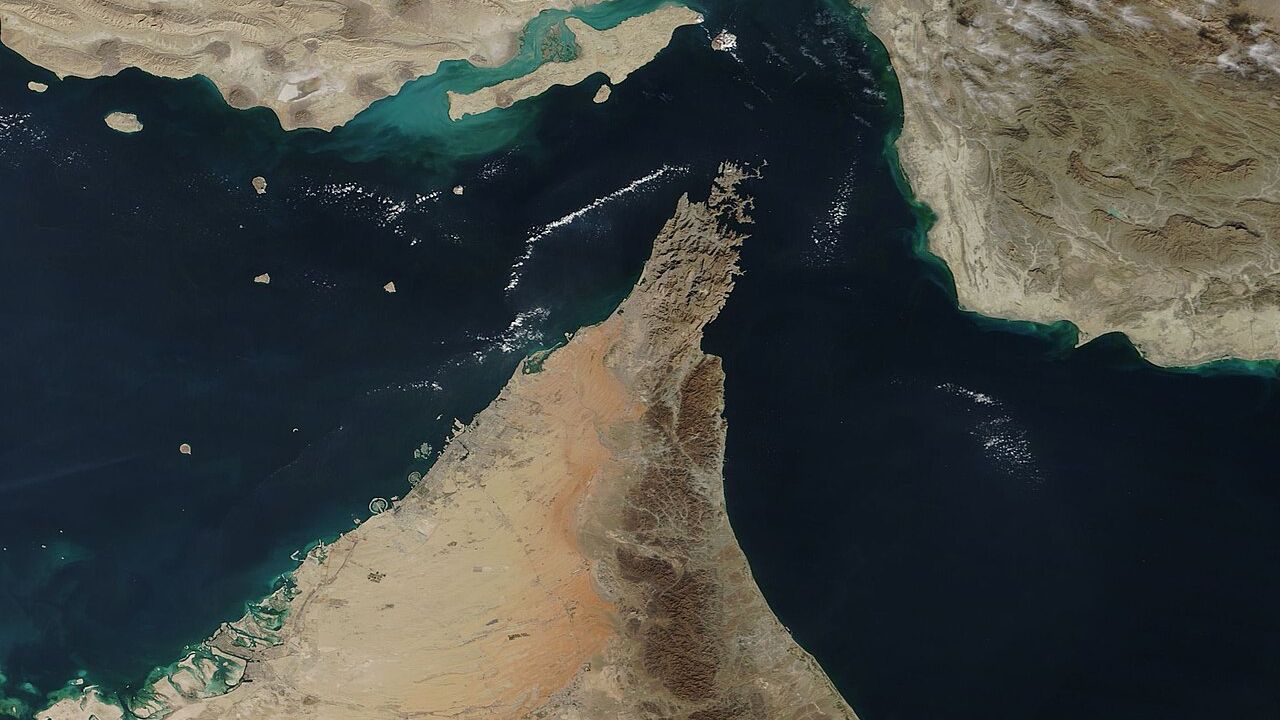
The Philippines has been grappling with an energy and fuel crisis since early 2026, triggered by the escalating conflict in the Middle East and the resulting disruption in the Strait of Hormuz, a critical corridor for the country's oil imports, roughly 98% of which come from the Middle East.
On March 24, Marcos declared a state of national energy emergency through Executive Order No. 110, citing the need to preserve the country's crude oil supply, which officials said would only last until the end of June without intervention. The Philippines was the first country in the world to declare an energy emergency in response to the conflict.
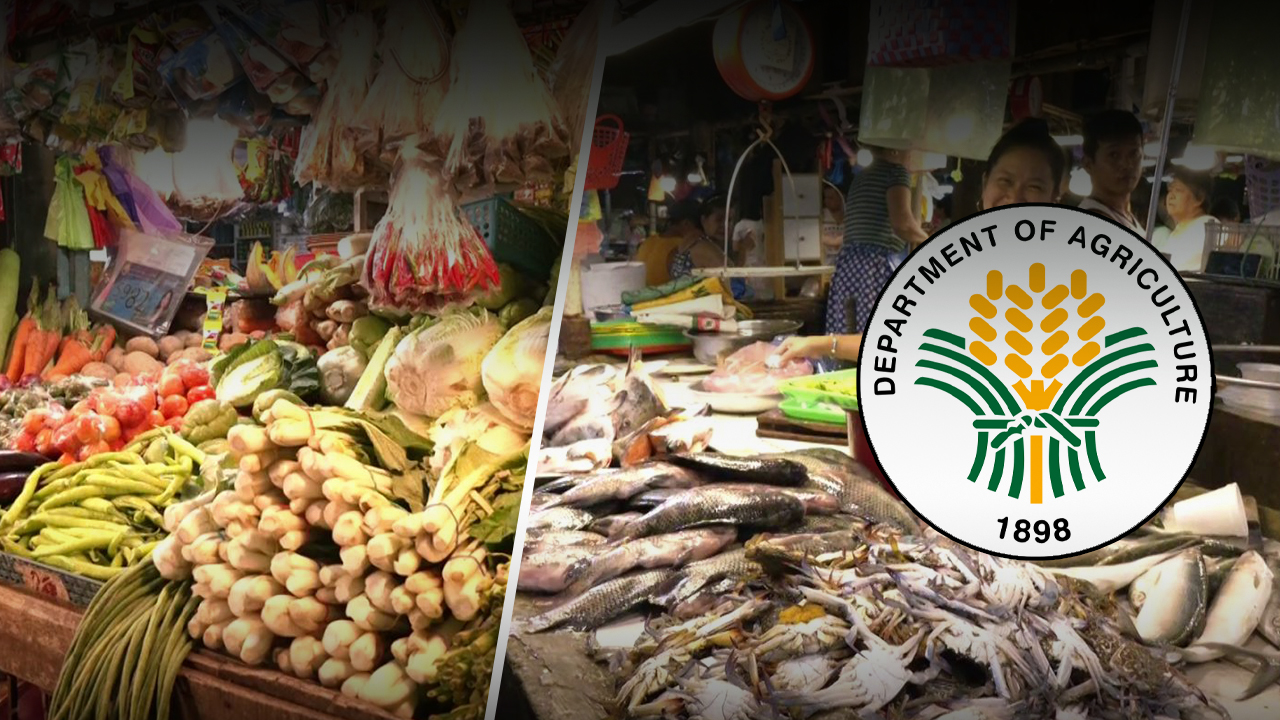
The crisis has pushed fuel and commodity prices sharply higher, with the Philippine Institute for Development Studies (PIDS) estimating that between 1.3 million and 3.1 million additional Filipinos could be pushed into poverty as a result.
Government response outlined in the SONA
In his address, Marcos detailed a series of interventions the government has rolled out over the past several months, covering OFW repatriation, fuel and food supply, job protection, and support for the transport sector:
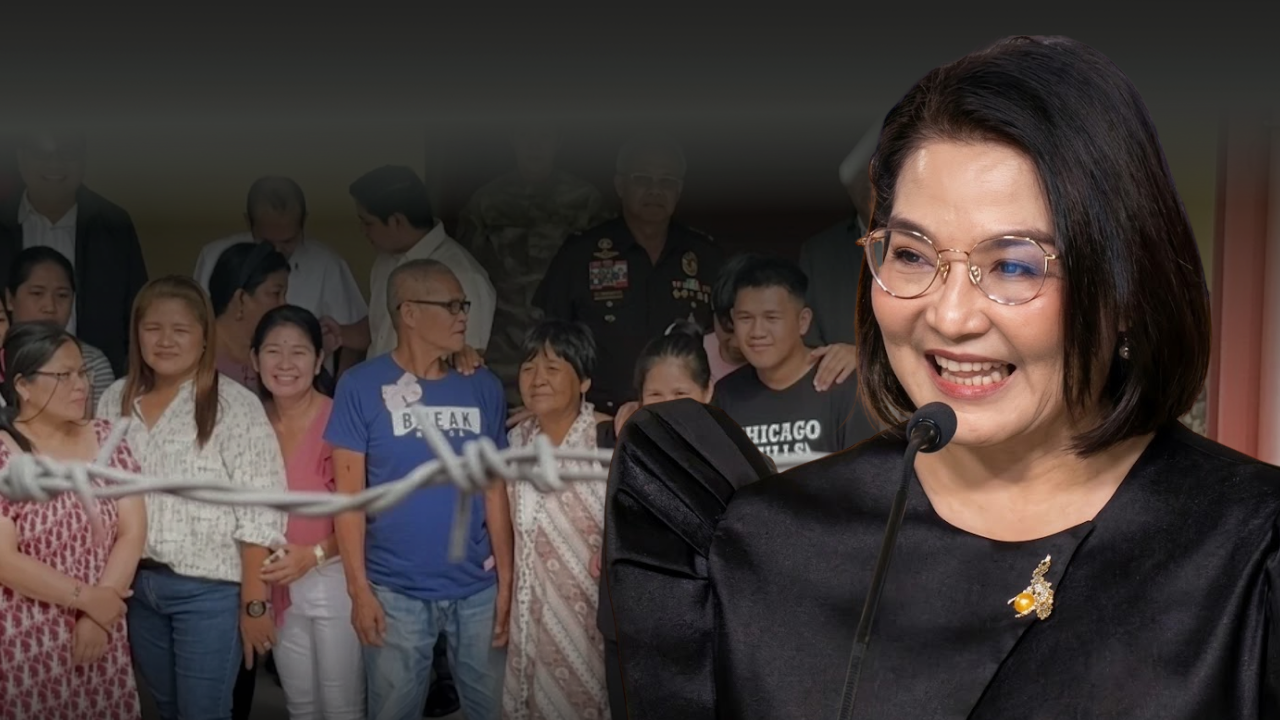
- More than 12,000 Filipinos have been repatriated from the Middle East since the war escalated, out of an estimated 2.5 million Filipino workers in the region. Over 140,000 OFWs received food, financial assistance, medical care, temporary shelter, and other support.
- Returning workers were assisted through the AKSYON Fund, the OWWA-Kabuhayan Program, Public Employment Service Office (PESO) job referrals, and Bayanihan para sa Balikbayang Manggagawa job fairs, with some workers helped back into overseas employment.
- The government had earlier allotted a series of supplemental funds for the repatriation and reintegration effort, including an additional ₱3 billion released in June on top of earlier allocations, to cover the full "repatriation chain", from pre-departure assistance to flights to reintegration support once workers are back in the Philippines.
- Marcos said the administration will sustain its support measures through the end of the year, with more than ₱60 billion allocated to assist roughly 7.5 million vulnerable families.
- Nearly ₱58 billion in additional funds was released to local government units to widen the reach of assistance programs.
- The President said public funds recovered from corrupt officials, a reference to the ongoing flood control corruption crackdown, were redirected toward these assistance programs instead of being lost to graft.
PBBM said the government would now shift more of its support toward Filipinos who need it most, citing plans to reach the roughly 3.5 million beneficiaries of the 4Ps and Walang Gutom programs, along with minimum-wage workers, as the crisis response moves from emergency relief toward broader, more targeted assistance in the months ahead.
The address comes as the Middle East crisis continues to weigh on the Philippine economy, with inflation and fuel prices remaining a top public concern heading into the second half of Marcos' term.













.png)