%201.svg)


The Manila Electric Company (MERALCO) has clarified that it is not opposed to the use of solar equipment.
The Energy Regulatory Commission (ERC), for its part, said it does not prohibit the use of solar panels that are directly connected to appliances.
Meralco responded to the alleged opposition it has expressed against consumers' use of solar panels. This came after netizens criticized the distribution utility's call for stricter regulation on the installation of rooftop solar panels.
According to Meralco spokesperson Joe Zaldarriaga, the company recognizes the growing interest in renewable energy and solar installations. They also understand why many customers see this as an alternative for lower electricity costs.
Zaldarriaga clarified that Meralco is not against the adoption of renewable energy or the use of solar equipment. According to the company, it has never been Meralco's intention to prevent any innovation or limit personal energy choices.
Instead, the company wants to emphasize the importance of safety and proper installation. Meralco also said it has no authority to regulate solar installations; rather, it considers education and cooperation as part of its responsibility.
The primary regulator for the installation and use of solar panels is the Energy Regulatory Commission (ERC).
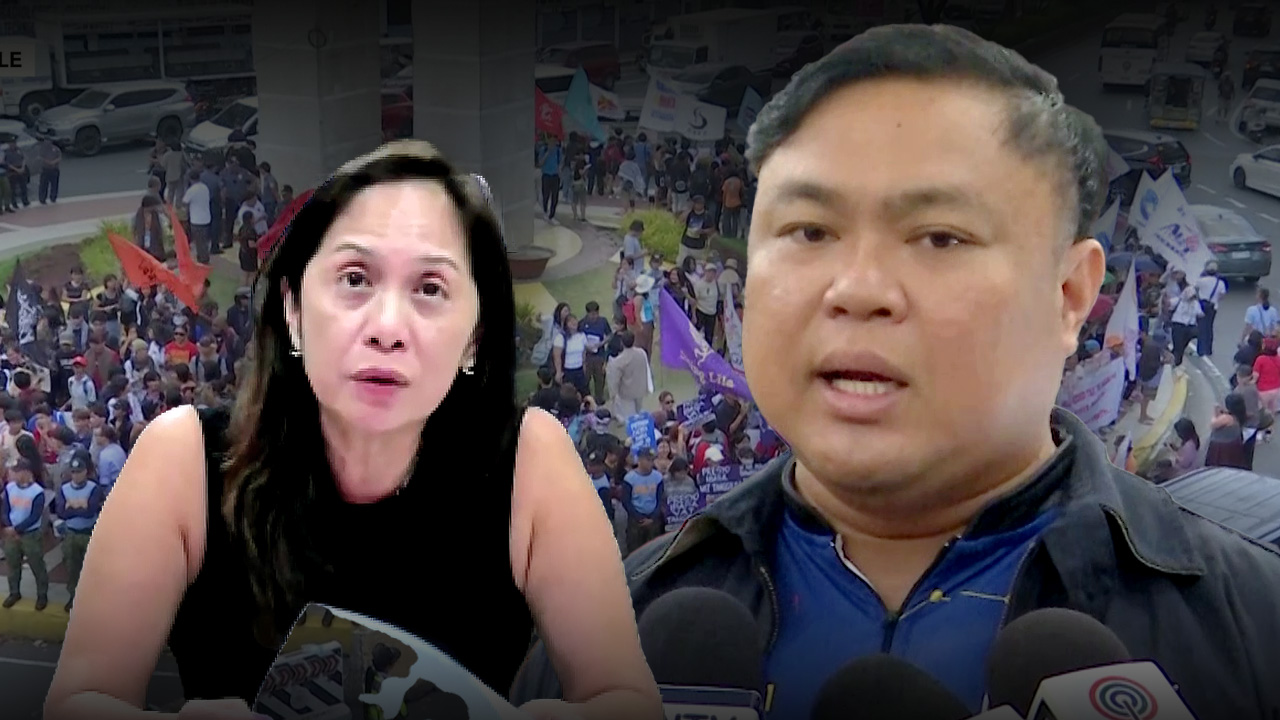
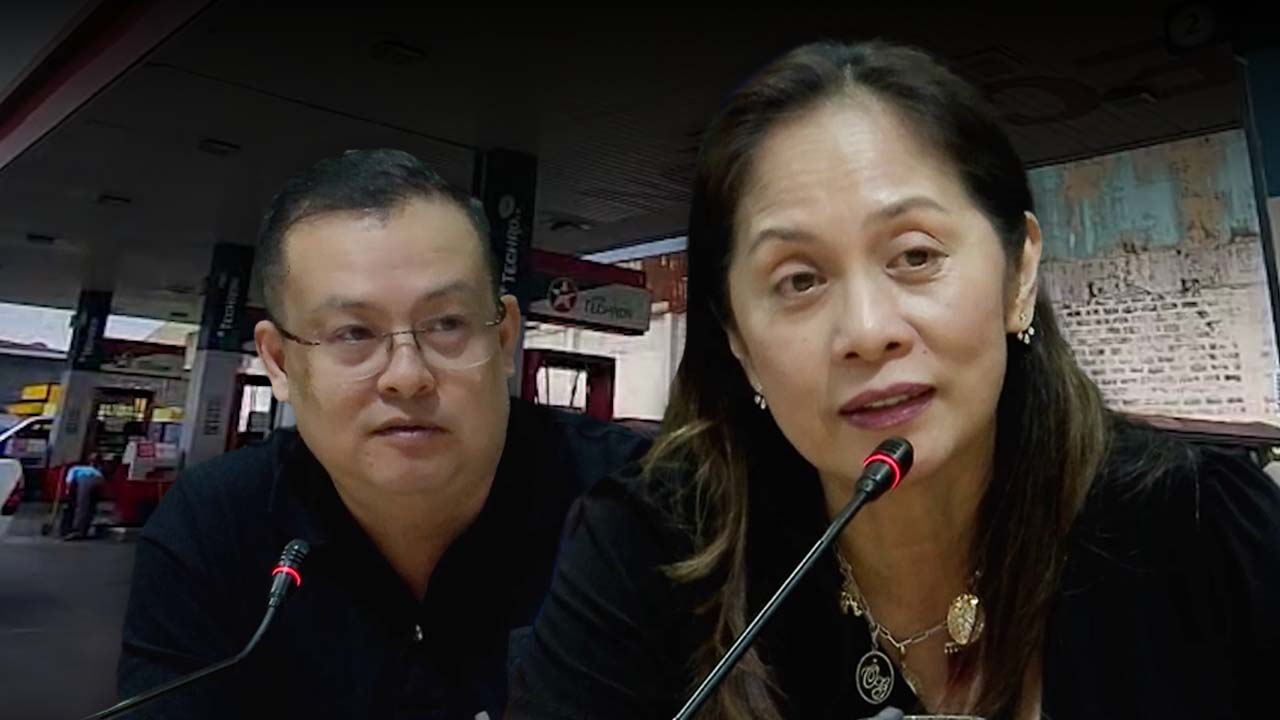
However, according to Atty. Maria Corazon Gines, ERC Legal Service Director, this does not cover solar panels that are directly connected to appliances.
"Hindi naman talaga namin ipinagbabawal yung mga pag-i-install na yung mga yan, nakakabit sa, kung hindi naman nakakabit doon sa distribution system, risk na consumers yun. Kung mag-ano sila, kung magdedirekta, kasi meron yung mga solar panels kasi na pwedeng direkta doon sa mga appliances. Kusto kami, hindi na namin masyadong pinakikialaman yun. Kasi direkta naman yun, risk na rin naman nila," Atty. Gines said.
(We don't really prohibit those installations. If they are not connected to the distribution system, that is already a risk on the consumers. Because there are solar panels that can be connected directly to appliances. With those, we don't really interfere much. Because that's direct, it's also at their own risk.)
Despite this, the ERC stated that there is regulation for solar panels that are connected to the distribution system.
"Kung kakabit din nila doon sa metro o kaya doon sa distribution system, yun yung kailangan talaga nilang i-apply sa amin yun. Kasi baka may impact yun doon sa distribution system. Pwede mag-overload yung transformer," she explained.
(If they connect it to the meter or to the distribution system, that's what they really need to apply for with us. Because that may have an impact on the distribution system. The transformer could overload.)
Atty. Gines added that consumers should consider the safety implications of using solar panels.
"Hindi namin in-expect yung mga consumers na alam nila yung mga patakaran na yun. Pero yung mga installers, alam nila yan, matagal na siguro sila sa industriya. Kaya alam nila kung ano yung mga kailangan nilang kunin ng mga permits doon sa mga regulations for safety din. Safety purposes," she said.
(We don't expect consumers to know those rules. But the installers know them, as they have probably been in the industry for a long time. So they know what permits they need to obtain in line with the regulations, also for safety. Safety purposes.)














.png)


.png)