%201.svg)


MANILA, Philippines — The Philippine government is seriously considering nuclear power as a future energy source to support the country's growing digital economy, particularly the expansion of artificial intelligence (AI), data centers, and industries involving critical minerals.
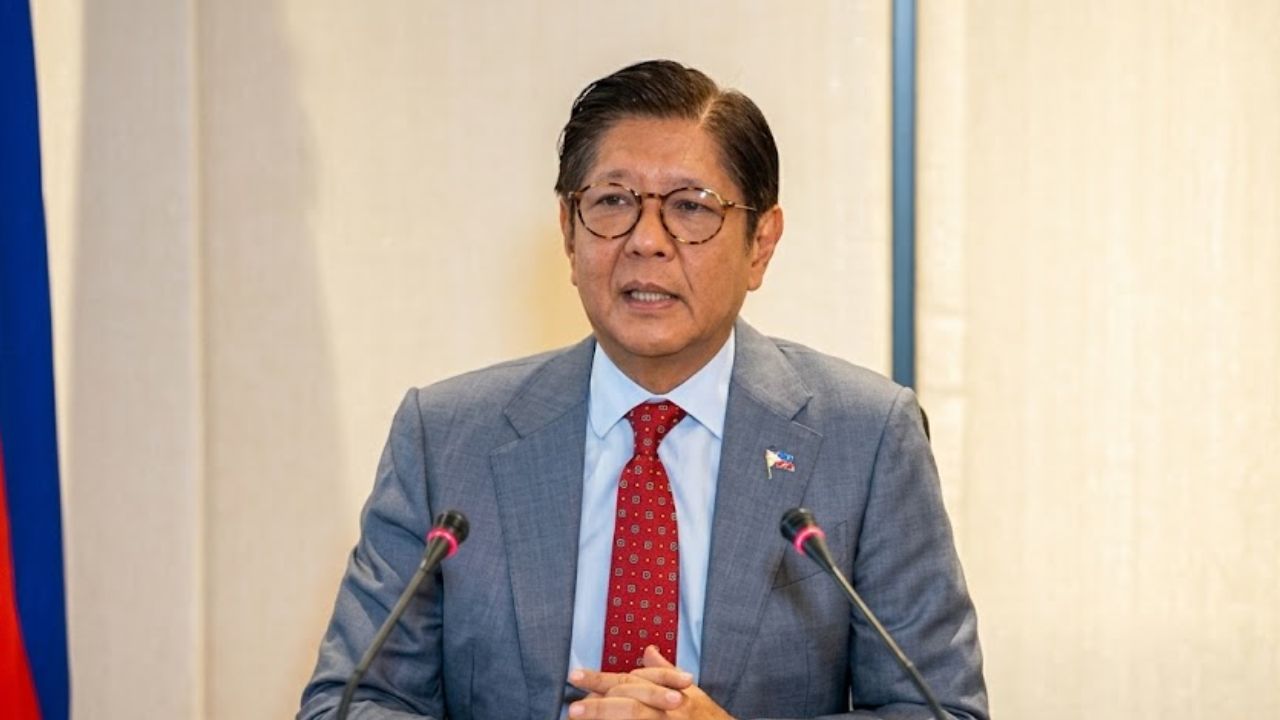
President Ferdinand Marcos Jr. said the Philippines must prepare for a significant increase in electricity consumption as emerging technologies and digital infrastructure continue to develop.
During a media interview in Singapore on Sunday, October 11, Marcos acknowledged that the country's current power generation remains sufficient but warned that future demand would require additional energy capacity.
The President emphasized that securing an adequate electricity supply would be essential for the Philippines to attract investments and participate in global industries driven by AI and other advanced technologies.
Nuclear power among options for growing energy needs
Marcos identified nuclear energy as one of the options available to the Philippines, citing continuing technological advancements in the industry.
He said the government is looking at ways to increase electricity generation to accommodate the expected growth of data centers and AI-related industries.
Such facilities require substantial amounts of electricity to operate the computing systems and infrastructure that support digital services.
The President also underscored the importance of developing the country's capacity to participate in value chains for critical minerals and other emerging industries.
For Marcos, ensuring sufficient power generation would be a key factor in strengthening the Philippines' competitiveness in the digital economy.
Energy diversification amid Middle East conflict
Apart from nuclear power, Marcos stressed the need to explore other energy sources as the continuing conflict in the Middle East raises concerns over the country's dependence on imported fuel.
The President noted that the Philippines remains vulnerable to disruptions in global energy supplies, making diversification an important consideration in long-term energy planning.
He said the country must evaluate available options to strengthen its energy capacity while preparing for the growing requirements of new industries.
Marcos visits Singapore nuclear research facility
The President's remarks followed his visit to the Singapore Nuclear Research and Safety Institute on Saturday, October 10, where he learned about the country's experience and research capabilities in nuclear technology and safety.
During the visit, Marcos expressed regret that the Bataan Nuclear Power Plant, built during the administration of his father, former President Ferdinand Marcos Sr., never became operational.
The facility remains unused for commercial electricity generation.
Marcos' visit to the Singapore institute forms part of the government's continuing examination of nuclear technology as a possible component of the Philippines' future energy supply.
The President maintained that while the Philippines currently has sufficient electricity generation, expanding its power resources will become increasingly important as demand from AI, data centers, and the digital economy grows.