%201.svg)


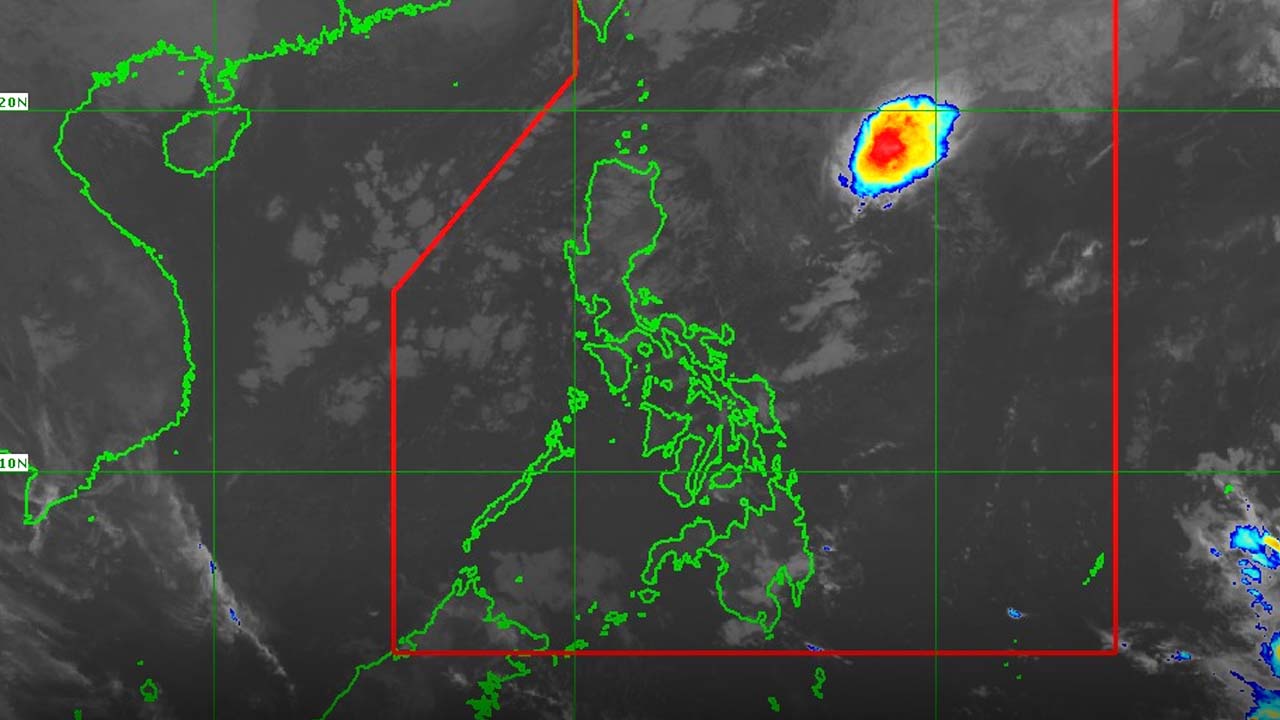
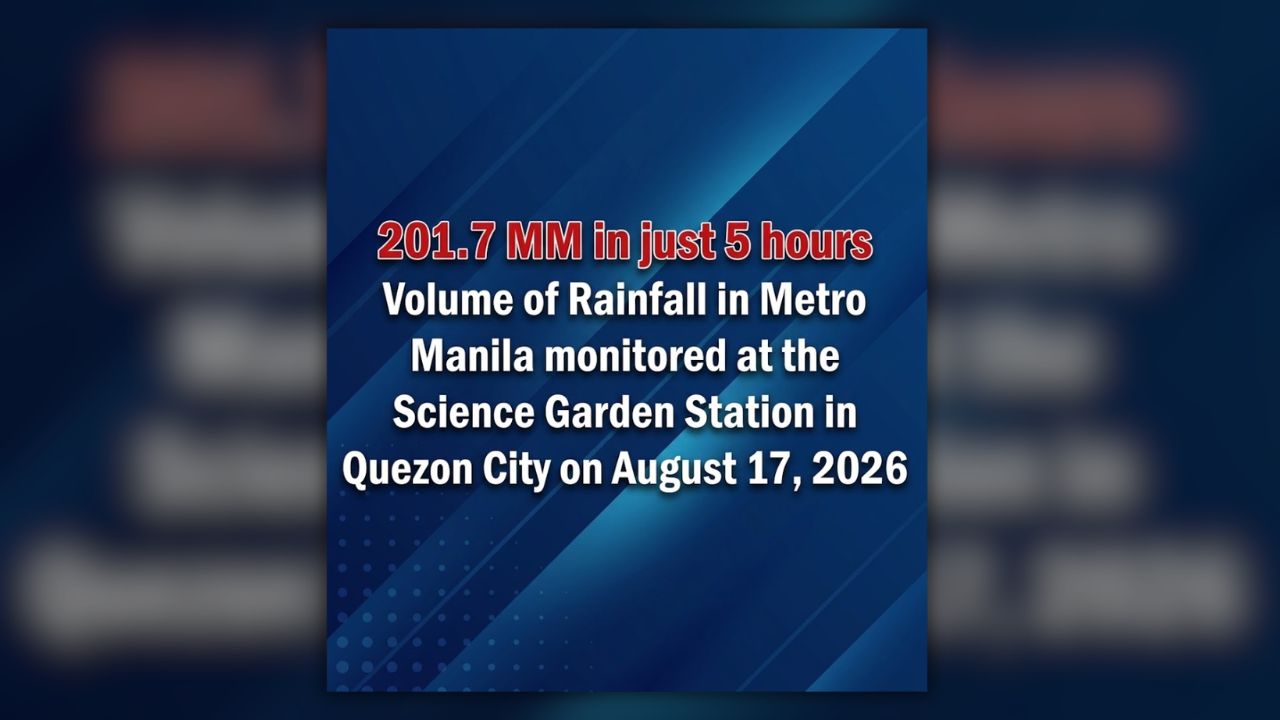
Metro Manila and several parts of Luzon have been affected by the southwest monsoon since August. In the presence of heavy rains, a clear succeeding issue is the widespread flooding in various areas, especially those in low-lying zones and riverside areas
Hence, if there’s a flooding issue, public scrutiny on the flood control projects intensifies.
In response, the Department of Public Works and Highways (DPWH) plans to construct and expand the drainage inlets along flood-prone major roads in the National Capital Region.
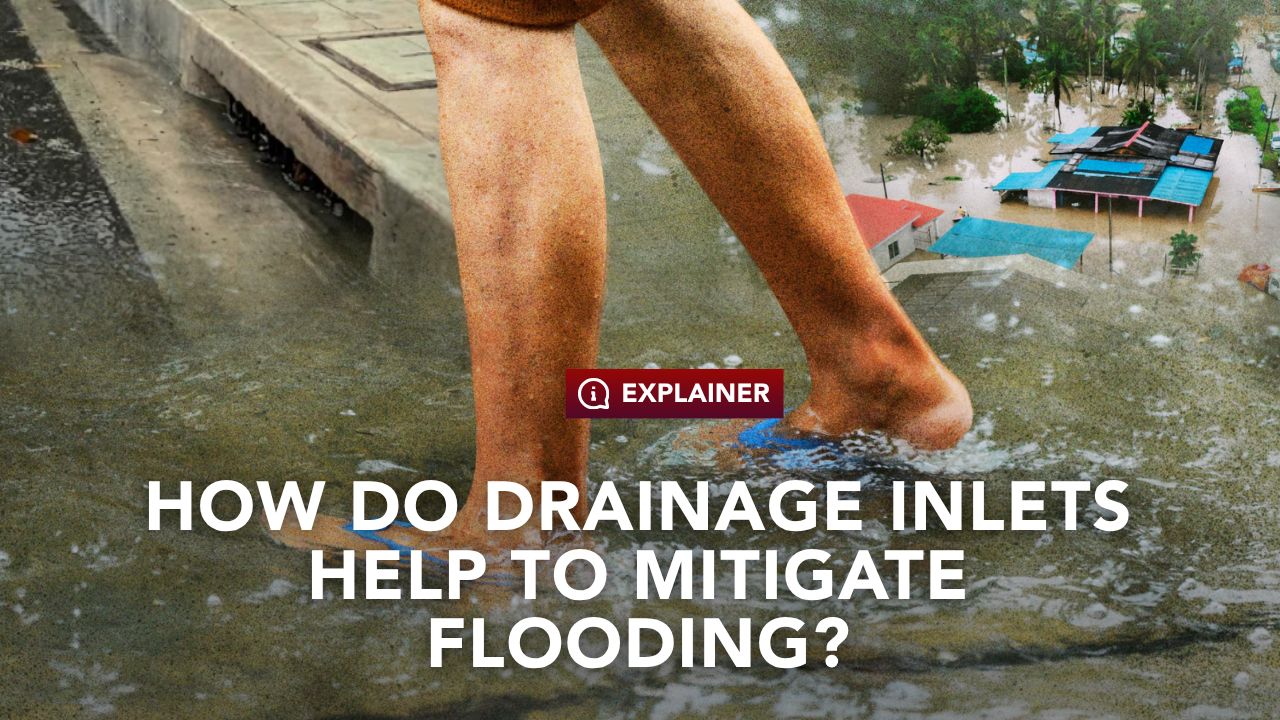
But what role do the drainage inlets play in flood mitigation?
You have likely seen them along several major roads while going to work or school.
The most common drainage structures visible along roads are curb inlets and grate inlets.
A curb is a vertical opening built into the sidewalk that channels surface runoff into underground drainage networks. A grate inlet, meanwhile, is a surface opening covered with a metal or concrete grid designed to capture surface water and direct it into stormwater or sewer systems.
Across Metro Manila, however, many of these drainage points are clogged with garbage.
Rainfall nowadays is heavier, which is also driven by the impact of climate change. Heavy downpours rapidly lead to urban flooding. When drainage inlets remain obstructed by waste, floodwaters will take longer to subside.
While infrastructure improvements continue, public cooperation remains crucial. Proper waste management and responsible garbage disposal are essential to support effective flood mitigation efforts.













.png)


.png)

.png)
.jpg)