%201.svg)


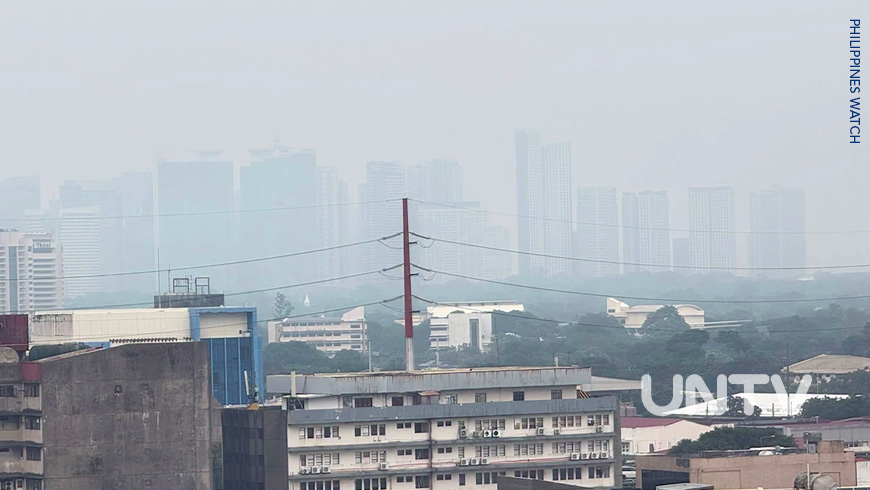
MANILA — Haze blanketed parts of Metro Manila, Calabarzon and Mimaropa on Monday, with the Department of Environment and Natural Resources-Environmental Management Bureau (DENR-EMB) saying the poor air quality may be linked to ongoing forest and land fires in Kalimantan, Indonesia.
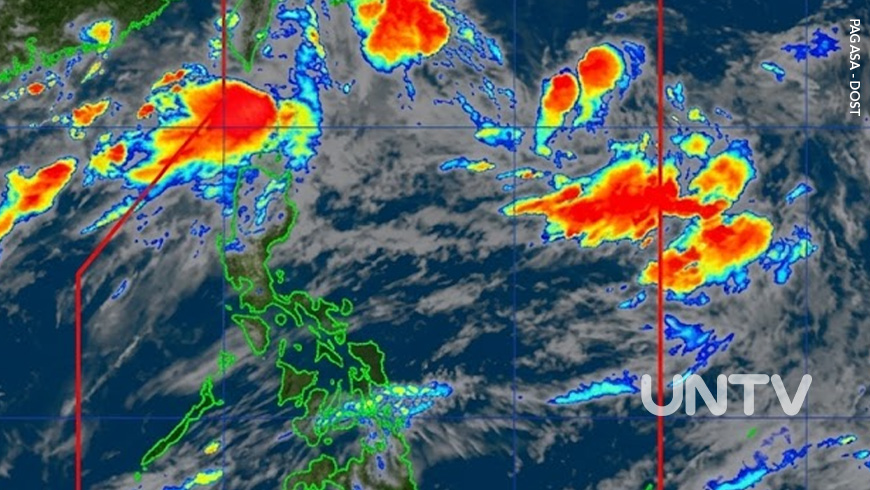
The smoke is believed to have been carried toward the Philippines by prevailing winds, including the Southwest Monsoon or Habagat, allowing haze from Indonesia to travel across parts of the region.
The DENR-EMB said it is continuously monitoring air quality through its network of monitoring stations to assess the extent and possible effects of the haze.
In Metro Manila, air quality deteriorated significantly in several areas.
Parañaque and Las Piñas were classified as having “acutely unhealthy” PM2.5 levels, while Quezon City, Malabon, Mandaluyong, Manila, Marikina, Muntinlupa, Pasay, San Juan, Taguig and Valenzuela recorded “very unhealthy” levels.
Makati, Navotas and Pateros, meanwhile, were classified as “unhealthy for sensitive groups.”
PM2.5 refers to fine particulate matter small enough to penetrate deep into the lungs. Sources can include vehicle emissions, industrial activity, wildfires and biomass burning.
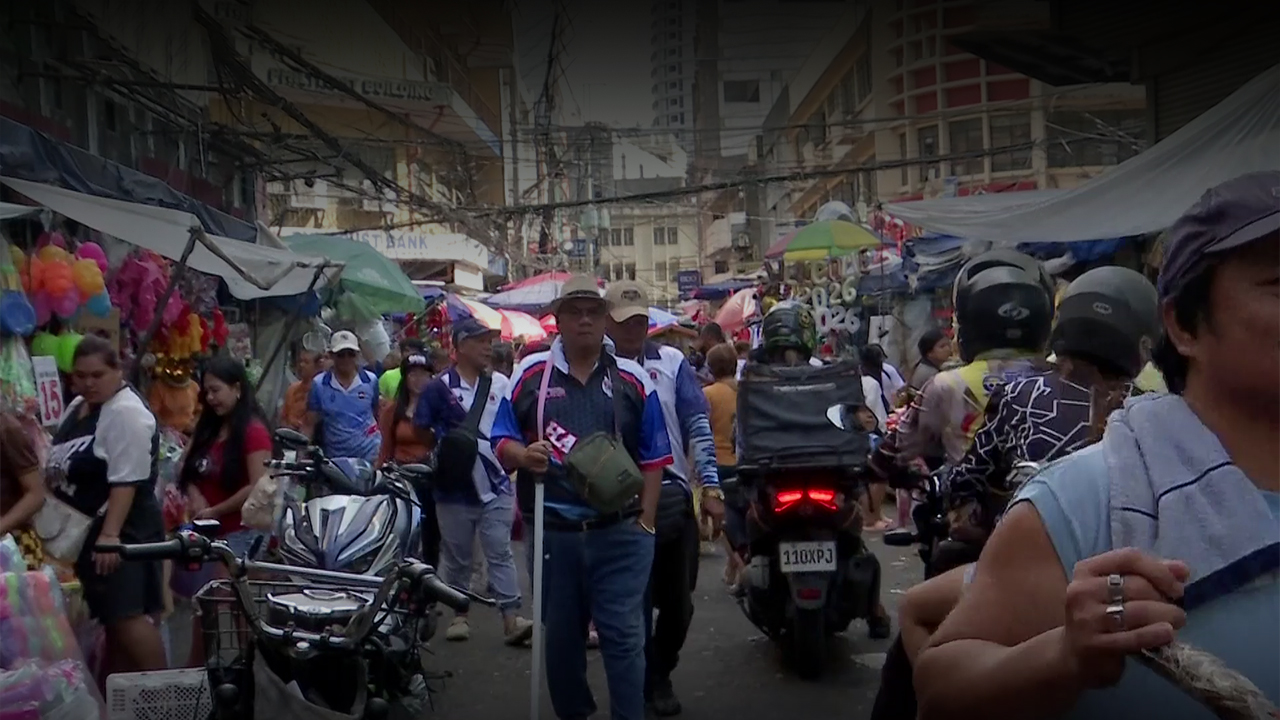
The Quezon City government has issued an air quality advisory, urging children, senior citizens, pregnant women and people with heart or respiratory conditions to wear face masks when going outside. Residents were also advised to remain indoors as much as possible while air quality remains poor.
Apart from Metro Manila, DENR-EMB said haze has also affected portions of Calabarzon and Mimaropa. Other parts of Luzon and the Visayas may also experience hazy conditions depending on wind direction and weather conditions.
Forest and land fires have intensified in parts of Indonesia, particularly Central and West Kalimantan, where air pollution has reached hazardous levels in some areas. Copernicus Atmosphere Monitoring Service earlier reported significant fire activity over Borneo and noted that wildfire smoke had already spread across parts of Southeast Asia.
Exposure to high concentrations of fine particulate matter may cause eye and throat irritation and worsen breathing problems, particularly among people with asthma, heart disease and other respiratory conditions.
The public is advised to limit outdoor activity when air quality is poor, keep doors and windows closed when possible, and wear a well-fitting face mask if going outside is necessary.
Authorities are expected to continue monitoring the haze, with rainfall potentially helping reduce airborne particles and improve air quality.