%201.svg)


The recent report on the Hantavirus outbreak abroad had raised an alert among Filipinos. While no confirmed local cases have been reported so far, the Department of Health (DOH) said it is closely monitoring potential risks and strengthening preparedness efforts.
DOH spokesperson Undersecretary Albert Domingo said that the DOH has been monitoring the situation and preparing for the possibilities involving the virus. He added that laboratories are being checked and that PCR machines that were previously used during the COVID-19 pandemic may also be used for hantavirus testing.
Domingo said three local institutions—including the Research Institute of Tropical Medicine and the National Kidney and Transplant Institute (NKTI)—are equipped with electron microscopes that can help identify the virus while awaiting PCR primers specific to the hantavirus strain.
The DOH is also coordinating with the Bureau of Quarantine (BOQ), which has been monitoring the situation. According to Domingo, BOQ Director Albert Salvador Jr. said the bureau is coordinating directly with its counterparts abroad through the International Health Regulations (IHR).
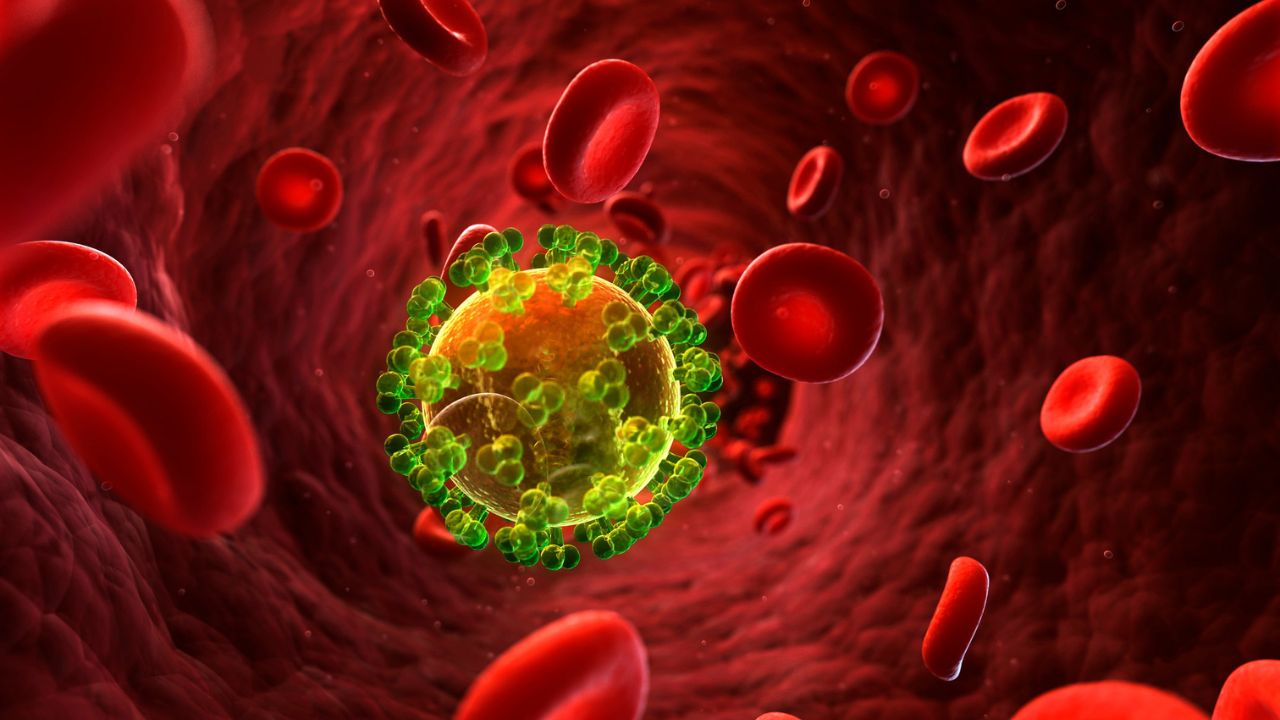
Hantavirus is a zoonotic virus that naturally infects rodents—rats, squirrels, guinea pigs, hamsters, and more—and is sometimes transmitted to humans through contact with infected rodents, their urine, droppings, saliva, or bites. Although it remains uncommon, human-to-human transmission has been recorded only for the Andes virus (ANDV), a hantavirus found in South America.
According to the World Health Organization, there are eight confirmed cases of hantavirus as of May 8, including three deaths, and one patient is admitted to intensive care. Six of the cases were laboratory-confirmed as hantavirus infections, with all identified as ANDV.
The WHO believes that the outbreak may have originated with a Dutch couple on board the MV Hondius, who both later died due to their infections. WHO Director-General Dr. Tedros Adhanom Ghebreyesus said during a May 7 briefing that the couple had traveled through Argentina, Chile, and Uruguay for a bird-watching trip before boarding the ship. It included visits to areas where "the species of rat that's known to carry hantavirus was present," he said.
It was reported that there are 38 Filipinos, of whom 24 are stewards or hotel workers and 14 are deck and engine staff, aboard the MV Hondius. The Department of Migrant Workers (DMW) Secretary Hans Leo Cacdac said that they are to undergo a 42-day quarantine in the Netherlands.
As of this moment, the ship has anchored in Tenerife, Spain.
While the overall number of cases remains low, and the focus is on monitoring and health precautionary measures for those potentially exposed to the virus, it is important to understand its symptoms.
In humans, symptoms of hantavirus typically begin between one and eight weeks after exposure, depending on the type of virus. According to the WHO, the usual indications of infection include:
- Fever
- Headache
- Muscle aches
- Gastrointestinal symptoms (abdominal pain, nausea, or vomiting)
In more severe cases, hantavirus may progress to Hantavirus Cardiopulmonary Syndrome (HCPS), leading to the worsening of symptoms, including cough, shortness of breath, accumulation of fluid in the lungs, and shock. While the advanced stage of the disease, Hemorrhagic Fever with Renal Syndrome (HFRS), may lead to low blood pressure, bleeding disorders, and kidney failure.
Given the nature of the hantavirus infection, health experts continue to stress that prevention and early avoidance of exposure are key to reducing risk, with DOH reminding all Filipino households of some preventive measures to avoid the hantavirus, including using a wet rag when cleaning, especially in rodent-infested houses, and never leaving food outside that may attract rodents. He also emphasized the need for cleanliness to prevent the spread of the virus.
Additionally, Philippine authorities are now being strict with the implementation of border screening measures at the airports and seaports to prevent hantavirus from entering the country. The DOH said passengers are required to complete a health declaration through the eGovPH app before entering the country, where they must declare their travel history and report any symptoms they are experiencing. Passengers who are experiencing hantavirus symptoms and are from the flagged countries will be immediately brought to a BOQ office for assessment.
While health authorities are taking measures to prevent the virus from entering the country, the public is encouraged to do its part by staying informed, maintaining proper sanitation and cleanliness, and seeking early medical consultation if symptoms develop after a possible exposure to the infection.






















.webp)