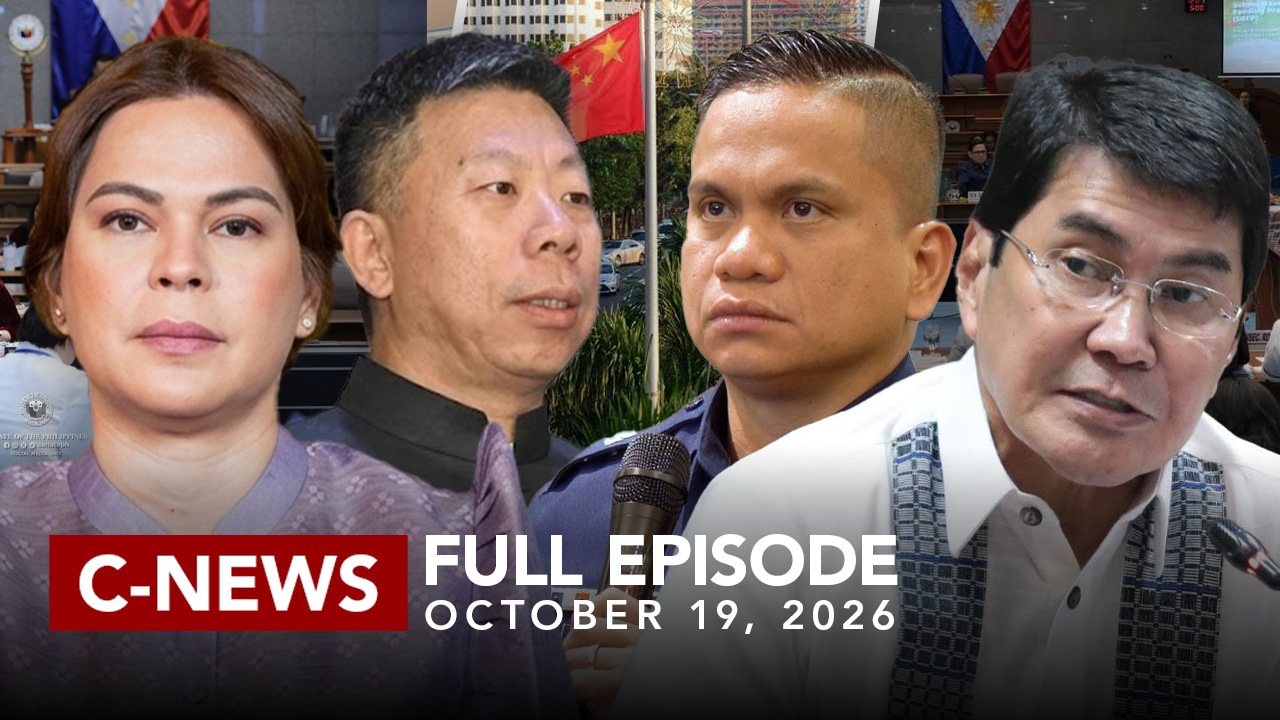
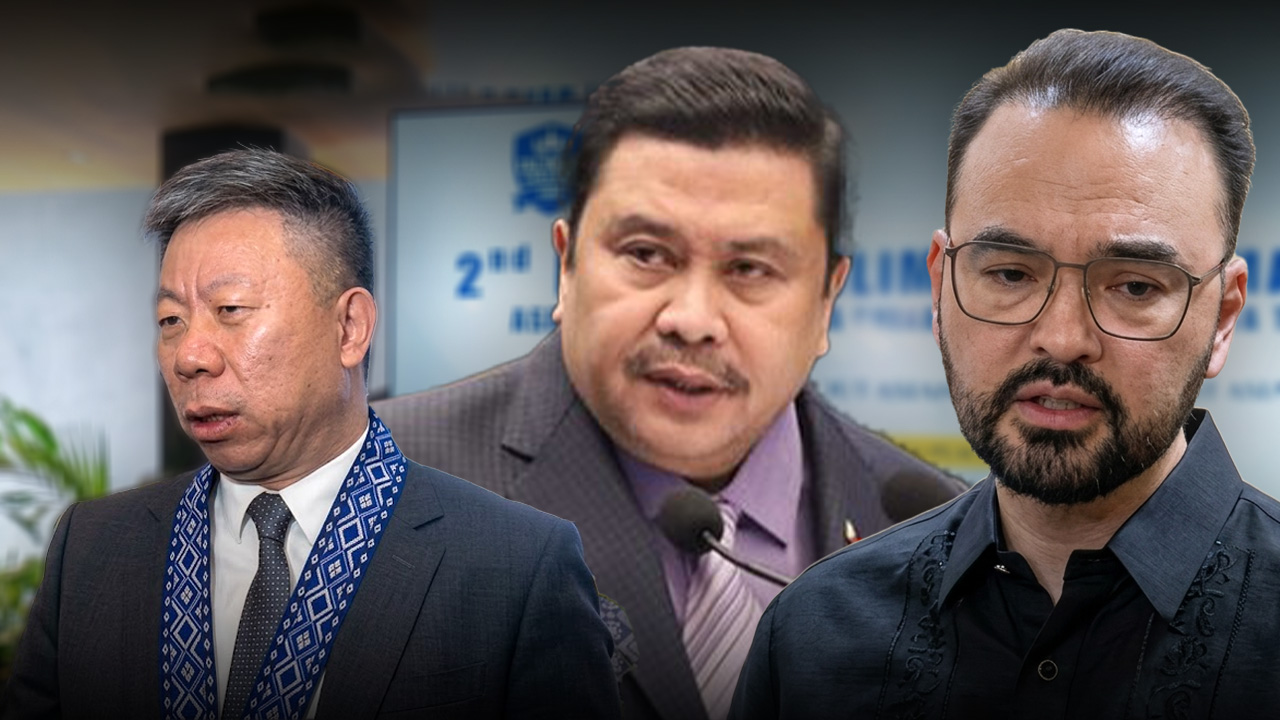
MANILA, Philippines — Tensions between the Philippines and China have intensified following Chinese Ambassador Jing Quan's remarks about Beijing's military strength, prompting a strong response from the Department of National Defense (DND), calls for Senate action, and renewed discussions over whether the envoy should be declared persona non grata.
The dispute began on October 15, when Jing told reporters that China could easily defeat the Philippines if it chose to use military force, while insisting that Beijing preferred peace.
The ambassador made the statement amid disagreements over Chinese activities in the West Philippine Sea and criticism from Defense Secretary Gilberto Teodoro Jr. concerning Beijing's conduct in the region.
Philippine officials interpreted the remark as threatening, with the Department of Foreign Affairs (DFA) describing it as an apparent warning involving the possible use of force.
President Ferdinand Marcos Jr. also expressed concern, saying the statement sounded like a threat and was inappropriate coming from a diplomat.
The Chinese Embassy disputed that interpretation, maintaining that Jing's remarks had been taken out of context and emphasizing China's stated preference for peaceful relations.
DND rejects Chinese envoy's explanation
Defense Secretary Teodoro criticized the ambassador's remarks, arguing that the reference to China's ability to defeat the Philippines could not simply be dismissed because Jing also expressed a preference for peace.
In a radio interview on October 16, Teodoro said the statement carried a clear message and warranted careful examination.
He maintained that suggesting China could use force and defeat the Philippines amounted to intimidation, regardless of the ambassador's assurances that Beijing did not intend to resort to military action.
The DND chief also emphasized that the Philippines should not be intimidated into abandoning its position on matters involving national sovereignty and maritime rights.
Meanwhile, the Chinese Embassy accused some Philippine politicians and journalists of exaggerating or misrepresenting Jing's remarks.
The Defense Press Corps of the Philippines rejected the criticism, maintaining that journalists had accurately reported the ambassador's words and should not be blamed for the political reaction they generated.
Chinese Embassy challenges lawmakers as Senate prepares resolution
The diplomatic dispute escalated further after Philippine lawmakers called for stronger action against the Chinese ambassador, including his possible declaration as persona non grata.
In a social media statement on October 17, the Chinese Embassy challenged lawmakers to proceed with the proposed declaration rather than repeatedly threaten such action.
The embassy also accused critics of promoting anti-China sentiment and misrepresenting Beijing's position.
Senators subsequently discussed a resolution condemning Jing's statements, with Senator JV Ejercito criticizing the envoy's remarks as hostile and inappropriate for a diplomatic representative.
Ejercito also urged China to consider replacing its ambassador, arguing that the latest exchange could further damage relations between Manila and Beijing.
Senator Erwin Tulfo, meanwhile, said the Senate majority had discussed pursuing a resolution seeking to have Jing declared persona non grata.
Tulfo also suggested that the ambassador voluntarily return to China rather than wait for the Philippine government to take such action.
The proposed Senate measure reflects growing dissatisfaction among lawmakers over Jing's remarks, although a Senate resolution would not itself constitute a formal declaration by the Philippine government.
Malacañang opposes expelling Chinese ambassador
Despite the calls from lawmakers, Malacañang said President Marcos does not favor declaring Jing persona non grata.
During a press briefing on Monday, October 19, Palace Press Officer Undersecretary Claire Castro said the President preferred to avoid such a declaration against a foreign diplomatic representative.
Castro emphasized that Marcos remained mindful of the possible consequences of diplomatic actions involving representatives of other countries.
The Palace nevertheless recognized the concerns raised by senators and other officials regarding Jing's statements.
The President had earlier described the ambassador's remarks as threatening and expressed his intention to seek clarification through diplomatic discussions.
On the same day, Foreign Affairs Secretary Ma. Theresa Lazaro formally summoned Jing to convey the Philippines' serious concern and objection to his October 15 statement.
The DFA described his remarks as provocative and unacceptable. It also criticized the Chinese Embassy's public attacks against Philippine lawmakers, emphasizing that foreign diplomatic missions should respect officials acting within their mandates.
While the department reserved the right to pursue additional diplomatic measures, it did not announce a decision to declare Jing persona non grata.
With the Senate considering further action and the DFA formally raising its objections, the dispute remains a diplomatic issue between the two countries as they continue to confront differences over the West Philippine Sea.