%201.svg)


MANILA, Philippines — Talent can open the door, but for young athletes, getting the chance to compete often requires something more: consistent support.
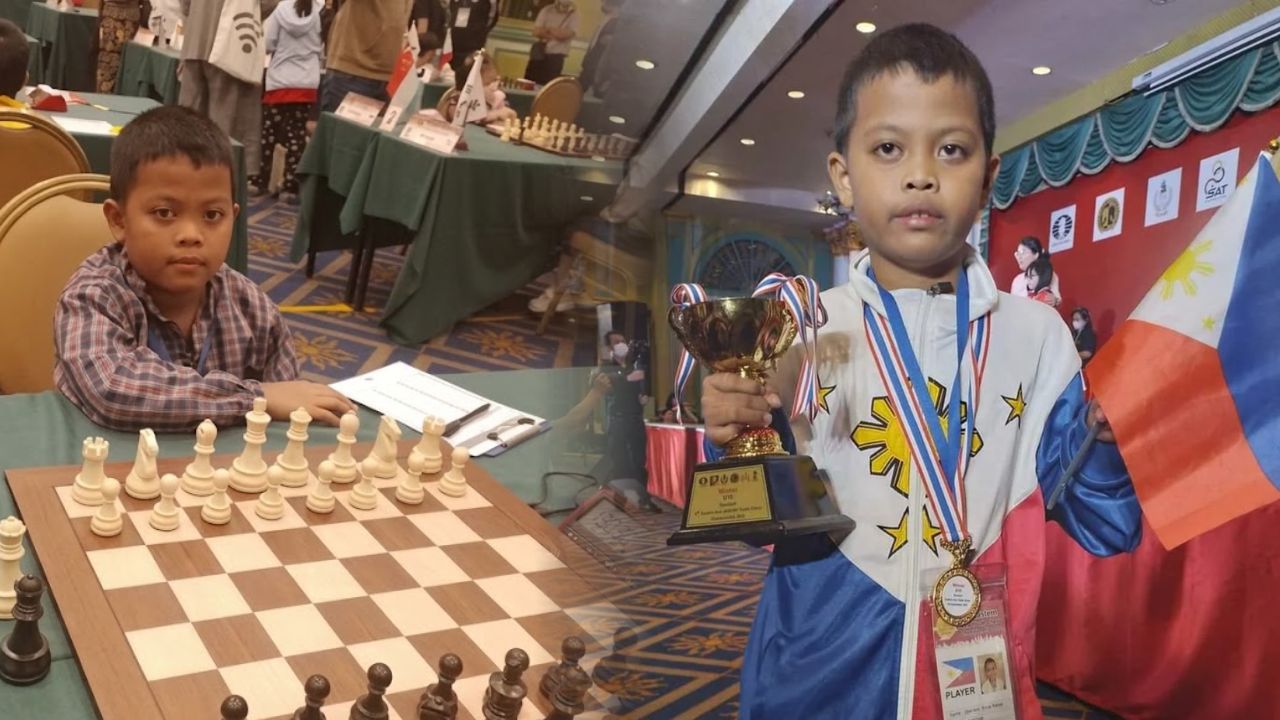
The story of young chess player Bince Rafael Operiano of Oas, Albay is one example.
Operiano caught national attention after representing the Philippines at the 6th Eastern Asia Youth Chess Championship in Bangkok, Thailand in November 2022.
Then only eight years old, according to a Senate resolution recognizing his achievement, Operiano emerged champion in the tournament after qualifying through the Boys Under-9 category of the National Youth and Schools Chess Championships Grand Finals in Dapitan City.
His talent had already been evident at an early age. His chess skills drew attention after he won the National Age Chess Group Championship-Kiddie Category in Albay when he was six.
But reaching an international tournament was not simply a matter of winning matches.
Operiano came from a family with limited financial resources. His father, Ben Operiano, worked as a security guard and was the family's breadwinner. Ahead of the Bangkok competition, the family sought financial assistance to cover travel and other expenses.
Reports at the time said Bince and his father spent several nights on airport benches while waiting for travel arrangements. Bince eventually traveled to Thailand ahead of his father and began the competition without a parent beside him.
Despite those circumstances, he went on to bring home international recognition for the Philippines.
The Senate later formally commended Operiano for his victory, describing his achievement as an example of the talent and potential of young Filipino athletes.
His chess journey did not end with that breakthrough.
Records from the Philippines Chess Federation's 2026 National Youth and Schools competitions show Operiano continuing to represent Oas, Albay in the Under-13 division. In the national rapid championship held in March, he finished with four points and placed eighth among the competitors.
Bince's experience highlights a challenge that extends beyond chess: promising young athletes may have the ability to compete, but training, transportation, tournament fees, equipment and accommodation can become barriers for families with limited resources.
Support can come from different sectors, parents and communities who nurture young athletes, schools that provide opportunities to compete, sports organizations that develop talent, and public and private institutions that help qualified athletes reach higher-level competitions.
For aspiring young athletes, Bince's story is also a reminder that development takes years. International success may begin with talent, but staying competitive requires continued training, discipline and access to opportunities.
Years after his breakthrough in Bangkok, the young chess player from Oas remains active on the board — continuing a journey that began with local competitions and grew into an opportunity to represent the Philippines.




















.png)