%201.svg)


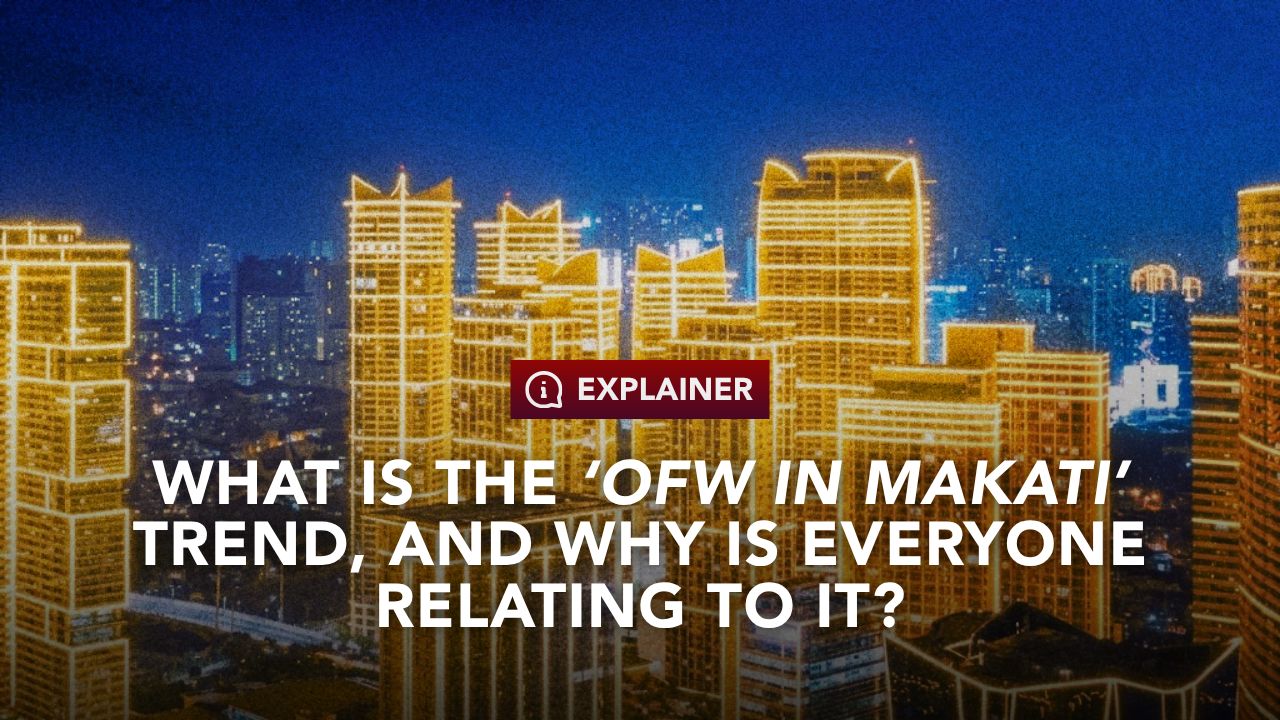
No passport. No plane ticket. Just coffee, office fits, deadlines, and another day reporting for duty in the fictional “United States of Makati.”
That is the joke behind the viral “OFW in Makati” trend, where office workers playfully rebrand themselves as Onsite Filipino Workers or Overworked Filipino Workers and turn everyday corporate life into a mock overseas assignment.
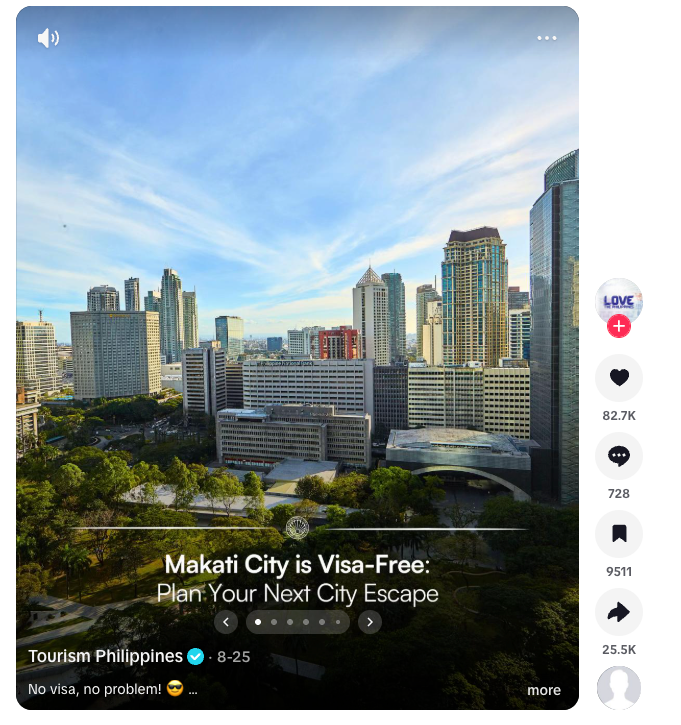
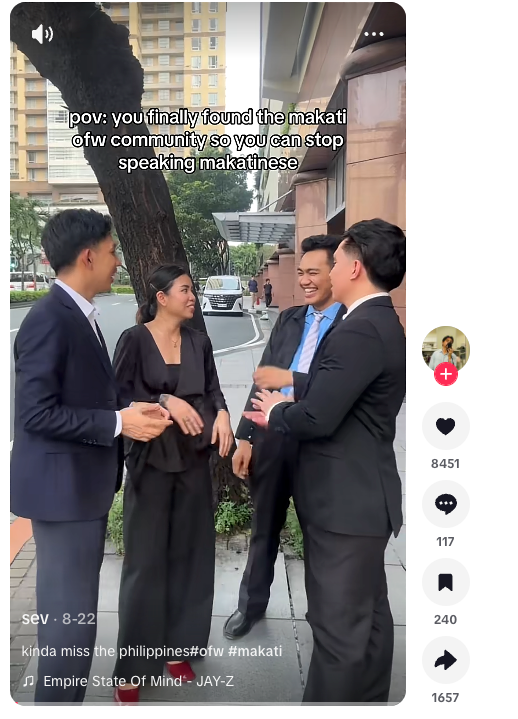
As seen in videos circulating on TikTok, ordinary parts of working in Makati are given an overseas twist: salaries become “Makati dollars,” office lingo becomes “Makatinese,” and heading home after work becomes “returning to the Philippines.”
See an example of the “Makatinese” trend on TikTok
Other posts under the trend play with the same fictional setup – “OFWs” reporting to Makati, imaginary visas, and the idea that entering the business district is almost like crossing into another country.
See more “OFW in Makati” videos on TikTok
It is exaggerated for laughs, but there is another reason the trend resonates.
Many of these videos turn an ordinary workday into something worth enjoying: getting dressed for work, walking to the office, stopping for coffee or food, spending time with colleagues, and finding places to unwind before heading home.
In other words, work can be productive and still feel good.
And that is where the viral joke becomes a useful workplace conversation.
Why should a pleasant and conducive working environment feel like something you need to travel to the “United States of Makati” to experience?
A conducive workplace is not simply an aesthetic office, a nearby café, or an impressive skyline.
According to the International Labour Organization, a healthy psychosocial working environment is also shaped by how jobs are designed and managed – including workload, working hours, autonomy, organizational culture, workplace relationships, and the support employees receive. The ILO says all workers have a right to a safe and healthy working environment where their physical and mental well-being is protected.
The ILO also identifies long working hours, excessive workloads, weak support systems and poor organizational culture among workplace factors that can contribute to psychosocial risks. It says prevention includes fair working time, realistic demands, and safe and respectful workplaces.
Philippine labor rules also provide basic standards on working time.
According to the Department of Labor and Employment, normal working hours for employees covered by the Labor Code generally should not exceed eight hours a day. Employers are also required to provide covered employees at least 24 consecutive hours of rest after every six consecutive normal workdays, subject to applicable rules and exceptions.
So perhaps the takeaway from the “United States of Makati” is bigger than the imaginary passports, “Makati dollars” and “Makatinese.”
There is nothing wrong with making work fun, aesthetic or even romanticizing the little things that make the daily routine enjoyable.
But a safe, respectful, and supportive workplace should not feel exclusive to Makati.
Whether an employee works in Makati, Manila, Quezon City, Taguig, Davao, or anywhere else in the Philippines, having reasonable working conditions and an environment where people can work productively without compromising their well-being should be attainable.
The “United States of Makati” can stay a TikTok trend or a new meta.
A good and conducive workplace should be possible everywhere.



















.webp)