


%201.svg)


Emergency Hotline:
(+63) 2 911 – 8688


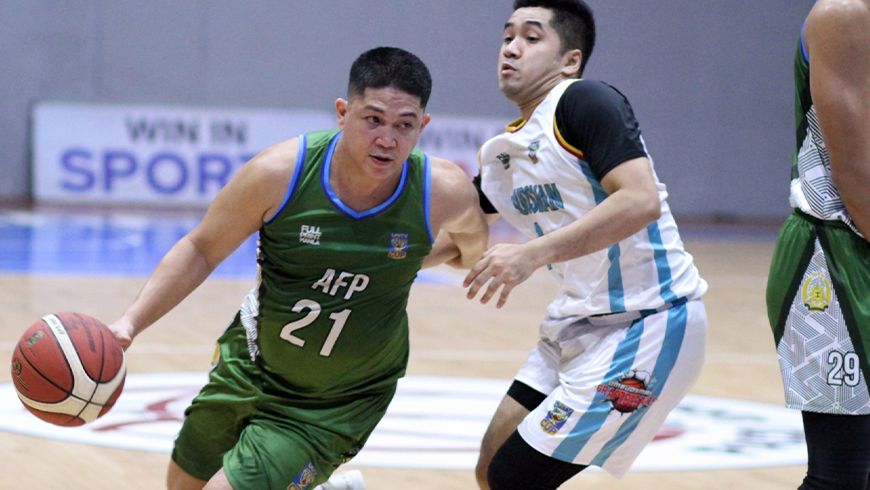

MANILA—The AFP Cavaliers drew first blood in the UNTV Cup Season 12 Finals series, edging out the Ombudsman Graftbusters, 107-101, in an overtime classic on September 13 at the Paco Arena.
The wire-to-wire showdown opened the best-of-three championship series, with the veteran-laden Cavaliers standing firm under extreme pressure to secure the pivotal victory.
Gil Pagotaisidro took charge for the Cavaliers, earning Best Player of the Game honors after delivering an all-around performance.
Pagotaisidro poured in 23 points, grabbed 8 rebounds, and registered 2 steals, providing the crucial scoring punch and defensive stability needed to pull AFP through the intense extra period.
AFP leaned heavily on its rich championship lineage when the contest hung in the balance. Demonstrating poised veteran skills and sharp decisiveness down the stretch, the Cavaliers executed key plays in overtime to neutralize Ombudsman's relentless offense and seal the hard-earned win.
With the Game 1 victory in hand, the Cavaliers stand just one win away from claiming their fifth title in the prestigious sports and charity league.
The franchise’s winning culture and playoff composure proved to be the deciding factors in putting them on the brink of another historic championship trophy.
Despite the setback, the Ombudsman Graftbusters remain determined to bounce back and force a decisive Game 3.
Searching for their first UNTV Cup championship title, the Graftbusters must regroup, man up, and make the necessary adjustments to equalize the series in their upcoming matchup.

MANILA—DOJ Radiance outlasted the Executive Branch Commanders in a 66-62 thriller to capture their first win in the UNTV Cup Executive Face Off 2026 on September 9 at the Paco Arena.
In a tightly contested Game 2, DOJ held their ground during crunch time to jump to a 1-0 record, handing the Commanders an opening 0-1 setback.
Best Player of the Game Nonilon Tagalicud anchored DOJ’s hard-fought victory with a stellar all-around stat line.
Tagalicud paced Radiance with 15 points, grabbed 6 rebounds, handed out 2 assists, and swiped 2 steals, asserting his presence on both ends of the floor whenever Executive Branch threatened to pull ahead.
Reflecting on the crucial triumph, Tagalicud emphasized the competitive nature of their opponents.
“A good way to start the season is panalo agad and hindi naman natin pwedeng maliitin itong ating kalaban dahil magaling talaga ang Executive department and kudos to them,” he said, giving credit to the resilient Commanders squad.
Tagalicud noted that securing an early-season win provides Radiance with pivotal momentum as the competition heats up.
By establishing a winning rhythm on opening week, DOJ positions itself strength-wise ahead of even tougher matchups in the executive division.
With the victory in hand, DOJ Radiance proved they have the composure and execution needed to close out tight ballgames.
The team now turns its attention to building on this momentum and refining their defense as they push deeper into the UNTV Cup EFO 2026 tournament.
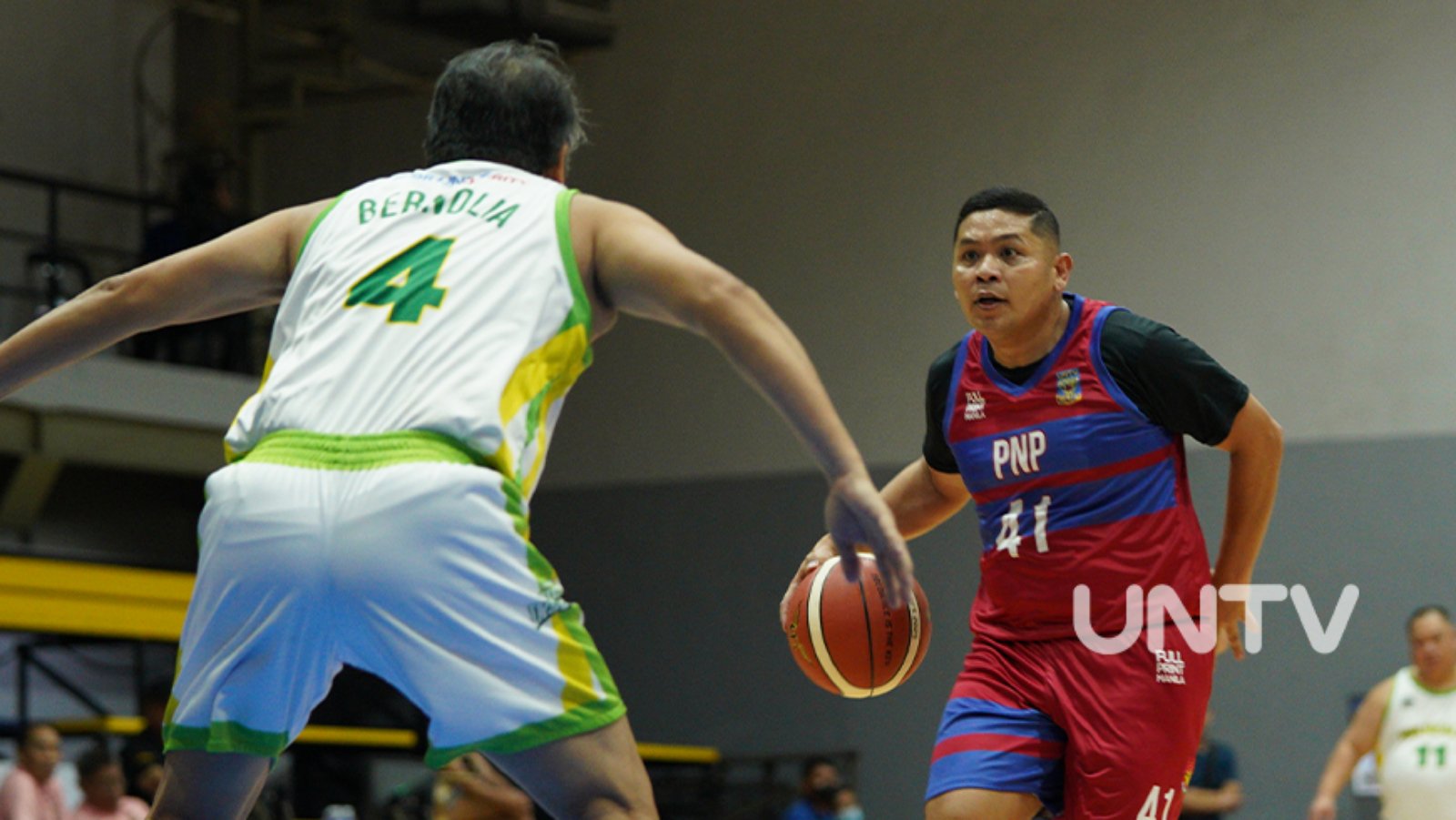
MANILA—The PNP Responders delivered a dominant performance to open their UNTV Cup Executive Face Off 2026 campaign, crushing the PhilHealth Health Insurers, 104-59, on September 9 at the Paco Arena.
PNP asserted control from start to finish, completely outplaying their opponents to secure a commanding 1-0 record in the tournament while dropping PhilHealth to a 0-1 start.
Rookie officer Lieutenant Colonel Alex Abonita spearheaded PNP’s offensive onslaught, earning Best Player of the Game honors with an outstanding double-double.
Abonita dished out 10 assists and poured in 10 points, consistently setting up his teammates and breaking down PhilHealth's defense to seal the victory.
Expressing his gratitude after the game, Abonita highlighted the hard work behind their triumph.
“Unang-una nagpapasalamat ako sa team PNP na dumating na sa point na naging executive na ako, nakapaglaro na ako dito… nagpa-practice kami twice a week so siguro that resulted na maganda yung pinakita namin sa court,” he said, reflecting on his journey to the executive division.
The Responders executed their game plan seamlessly, leveraging rigorous preparation into a high-powered, high-scoring offense that left the Health Insurers scrambling.
PNP's relentless pressure on both ends of the floor ensured PhilHealth never found a rhythm, extending the lead well into double digits.
With this emphatic opening win, the PNP Responders set a formidable tone for the rest of the season.
Looking ahead, the squad aims to build on this momentum and maintain their sharp form as the UNTV Cup EFO 2026 tournament progresses.
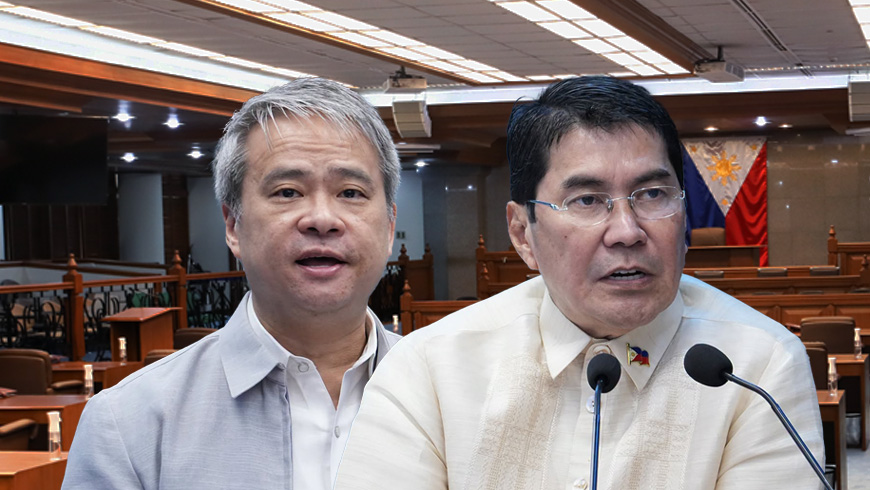
PASAY CITY—The Senate of the Philippines passed several major measures on third reading during its plenary session on Monday, September 7. Lawmakers unanimously approved five international treaties, covering aircraft safety rules, legal assistance with India, space damage liability, higher education qualification recognition, and a double-taxation agreement with Cambodia.
Alongside these foreign accords, the chamber approved Senate Bill No. 2410, establishing the new Presidential Merit Scholarship Program to support top-performing students nationwide.
Senate Bill No. 2410 aims to fund top-tier education for deserving youth who lack the money to pay for college. Author and sponsor Deputy Majority Leader Joel Villanueva voted "Yes" on the measure, emphasizing that financial status should never block bright students from succeeding.
He highlighted how the scholarship turns hard work into national progress, giving families fresh hope and preparing young Filipinos for the workforce.
“Hindi mapuputol ang pangarap dahil kapos ang pamilya. Hindi masasayang ang talino dahil kulang ang pagkakataon. At ang sipag ng kabataan ay magiging lakas ng bayan. Sa bawat iskolar, may pamilyang nabibigyan ng pag-asa, may kabataang nahahanda para sa trabaho, at may pangarap na nagiging ambag sa bayan,” Senator Villanueva said.
During the same session, lawmakers debated Senate Bill No. 2424, also known as the proposed Child Online Safety and Protection Act.
Senator Erwin Tulfo called for much harsher fines on massive tech companies that allow harmful content and fake news to flood their apps.
Pointing out the deep pockets of social media giants, he questioned why current proposals focus heavily on parents instead of holding wealthy internet platforms directly accountable.
“Narinig ko po kanina nabanggit po ng ating dating Senate President 'yung ika nga uh pagpaparusa sa mga magulang. Ang tanong ko naman po, meron po ba nakasaad na ika nga na pagpaparusa o penalty po sa social media apps, Kasi po lagi pong nagagamit,” Senator Tulfo asked.
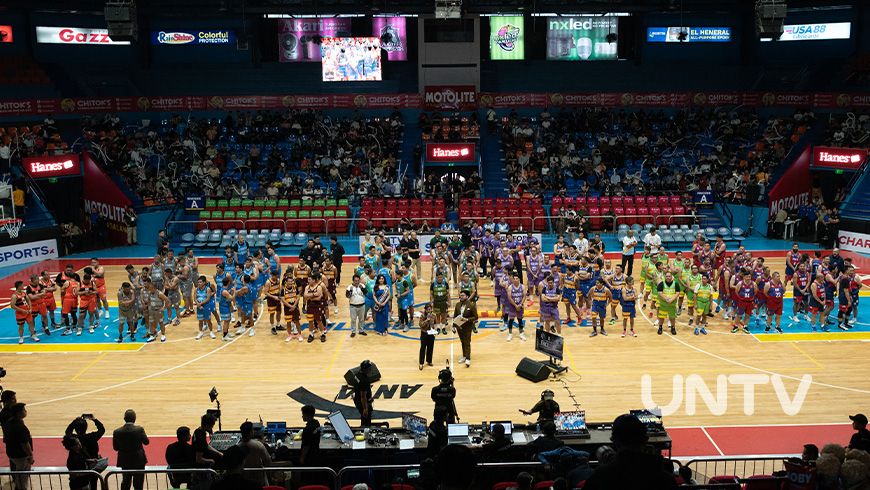
SAN JUAN CITY—The FilOil EcoOil Centre erupted with excitement as the UNTV Cup Executive Face Off 2026 grandly opened its new season on September 6, 2026. High-ranking government leaders stepped out of their offices and onto the court, demonstrating that camaraderie, public service, and athletic passion go hand in hand.
The colorful parade of teams formally set the high-energy tone, featuring eleven participating agency teams:
Adding massive inspiration to the milestone event was UNTV Sports and Charity founder Kuya Daniel Razon, who personally graced the opening ceremony to rally the executive athletes.
In his message to the public servants assembled on the court, he emphasized the core spirit of the tournament, stating: “At naniniwala po kami na kaisa namin kayo doon, na sa anumang pagkakataon, kaya nating gawin ang anumang bagay na mabuti, hindi natin ito ipagkakait sa kinauukulan, primarily dahil kayong lahat po ay bahagi ng atin pong mga public servants sa ating bansa.”
Following the ceremony, UNTV Cup Commissioner Fortunato ‘Atoy’ Co took center court to personally draw the matchups for the opening games.
Action tipped off right away in the first match, where the AFP Cavaliers dominated the hardwood against the Ombudsman Graftbusters, cruising to an 83–63 victory.
Demonstrating stellar execution throughout the game, Paul Carbajal powered the Cavaliers to their first win of the season and earned Best Player of the Game honors.
The day’s feature contest delivered a down-to-the-wire nail-biter as the Judiciary Magis narrowly edged out the Senate Sentinels in a 67–65 thriller.
Leading the clutch charge for the Magis was Midas Marquez, whose game-winning plays and composure under pressure secured the victory and earned him the Best Player award, wrapping up a memorable opening day dedicated to sportsmanship and noble charitable causes.
Always watch and support UNTV Cup Executive Face Off 2026 live or via livestream on UNTV Sports social media channels.
