


Emergency Hotline:
(+63) 2 911 – 8688


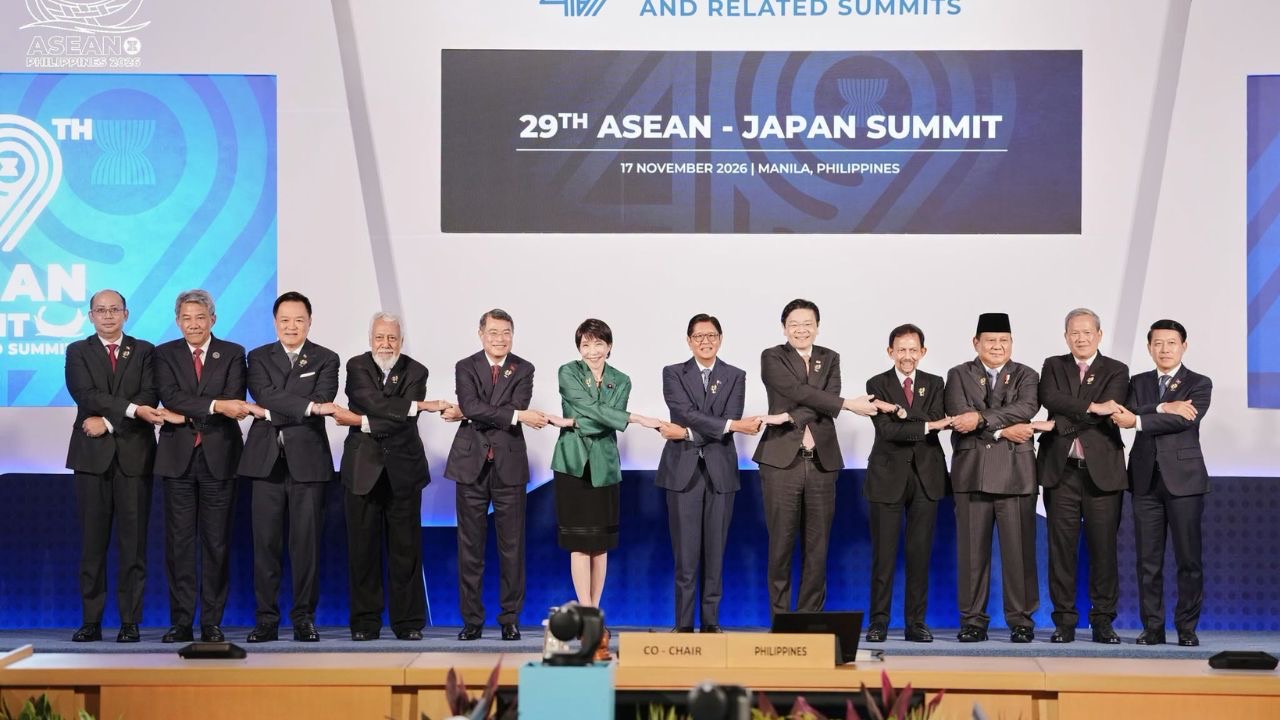

MANILA—President Ferdinand R. Marcos Jr. and Japanese Prime Minister Takaichi Sanae reaffirmed their commitment to bolstering regional stability and economic resilience during the 29th ASEAN-Japan Summit on November 17, 2026.
In a social media post uploaded by the Presidential Communications Office, President Marcos underscored the need to advance economic integration, disaster resilience, digital innovation, and energy and food security across Southeast Asia, emphasizing a longstanding partnership rooted in mutual trust
In response, Prime Minister Takaichi pledged Japan’s continued support in fortifying regional supply chains, particularly for critical minerals, alongside broader energy and economic initiatives under the POWERR Asia framework.
In the same post, she also highlighted the newly launched Japan-ASEAN AI Safety and Security Partnership, an initiative designed to help member nations address emerging vulnerabilities and risks tied to artificial intelligence.
According to PCO, to sustain the momentum of their Comprehensive Strategic Partnership, both leaders stressed the vital role of ASEAN centrality and maritime security in maintaining regional peace.
They further agreed that expanding digital cooperation and youth exchange programs will be essential to shaping the next generation of ASEAN-Japan relations and ensuring shared prosperity.
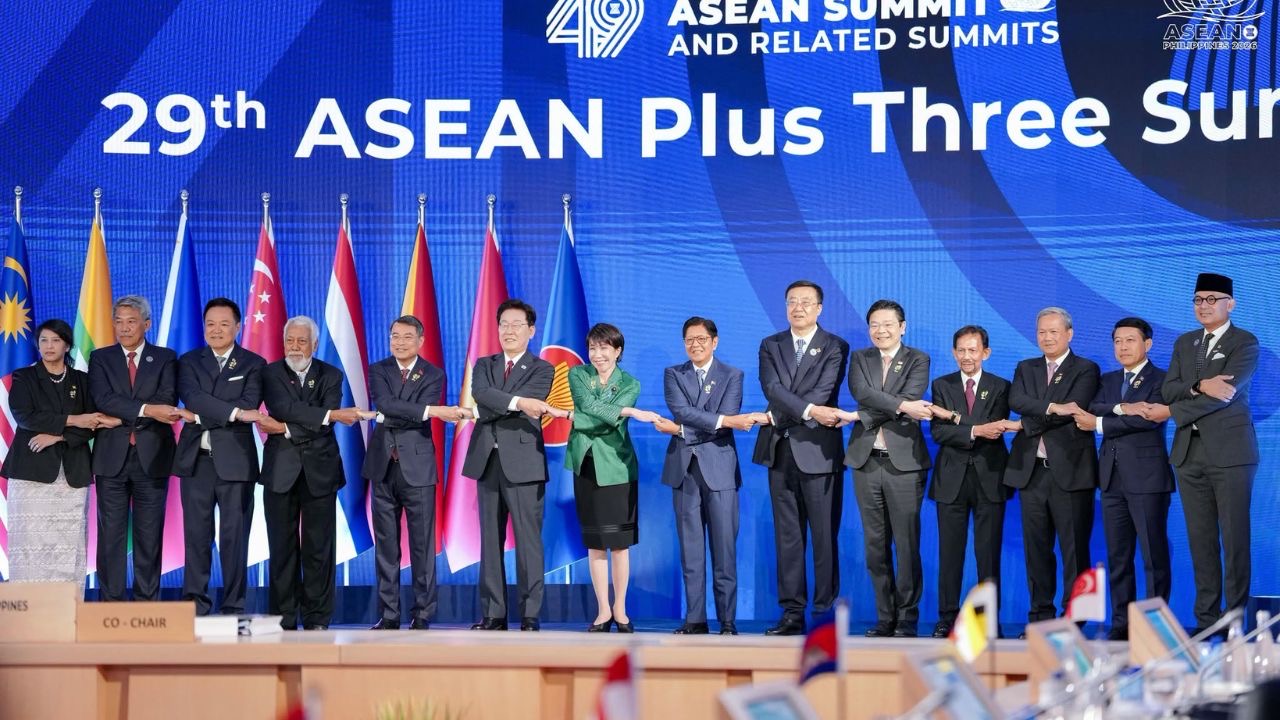
MANILA—President Ferdinand R. Marcos Jr. called on regional leaders to translate nearly three decades of cooperation into tangible economic benefits, food and energy security, and stronger connectivity during the 29th ASEAN Plus Three (APT) Summit on November 17, 2026.
According to an official update from the Presidential Communications Office (PCO), the President stressed that safeguarding livelihoods and keeping trade routes open remain critical to sustaining stability and growth across East and Southeast Asia amid ongoing global disruptions.
Bringing together ASEAN member states alongside China, Japan, and the Republic of Korea, the summit focused on fortifying maritime trade, logistics connectivity, and supply chain resilience against external shocks.
The PCO noted that the long-standing partnership continues to serve as a vital platform for advancing shared prosperity and addressing immediate economic pressures felt by citizens across the region.
As the ASEAN+3 framework approaches its 30th anniversary, President Marcos urged member nations and East Asian partners to renew their collective ambition.
He emphasized the need to align high-level regional commitments closer to the everyday needs and aspirations of people throughout East and Southeast Asia.
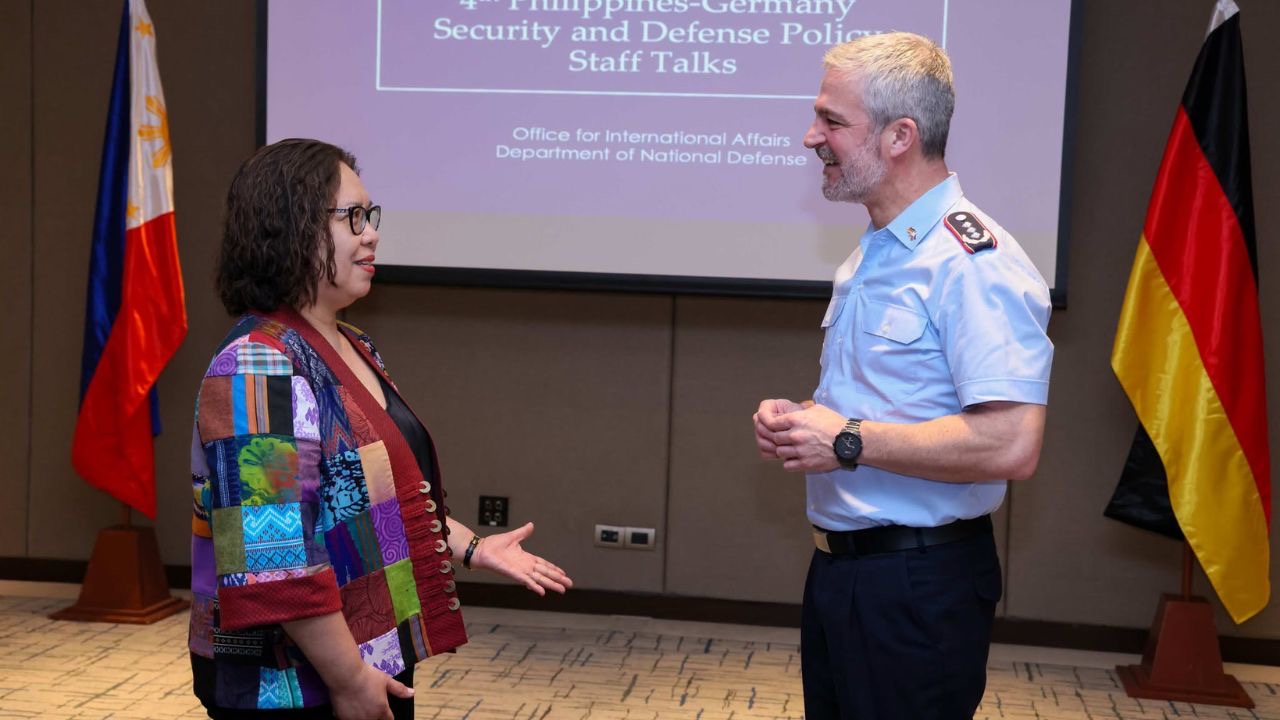
MANILA — The Philippines and Germany convened their 4th Security and Defense Policy Staff Talks in Manila on November 17, 2026 to advance bilateral defense cooperation and oversee the implementation of their 2025 defense arrangement, the Department of National Defense (DND) shared on their social media page.
Co-chaired by DND Assistant Secretary for International Affairs Marita I. Yoro and Colonel Nils Hutter of Germany’s Federal Ministry of Defence, the dialogue served as a platform to assess ongoing initiatives and address shared security concerns.
Highlighting the link between Euro-Atlantic and Indo-Pacific stability, both nations reaffirmed their commitment to upholding a rules-based maritime order.
According to the DND, discussions prioritized strengthening collaboration in maritime domain awareness, cybersecurity, information sharing, and the protection of critical underwater infrastructure.
Defense engagements between Manila and Berlin have tripled in volume in recent years following Germany's designation of the Philippines as an "Active Partner."
Moving forward, the DND noted that expanded cooperation will include additional training slots for Armed Forces of the Philippines personnel in Germany, as well as German participation in Maritime Cooperative Activities and the upcoming Philippines-United States Exercise Balikatan.
The DND stated that the successful conclusion of the fourth round of staff talks underscores the country's ongoing commitment to building robust defense partnerships with like-minded European nations
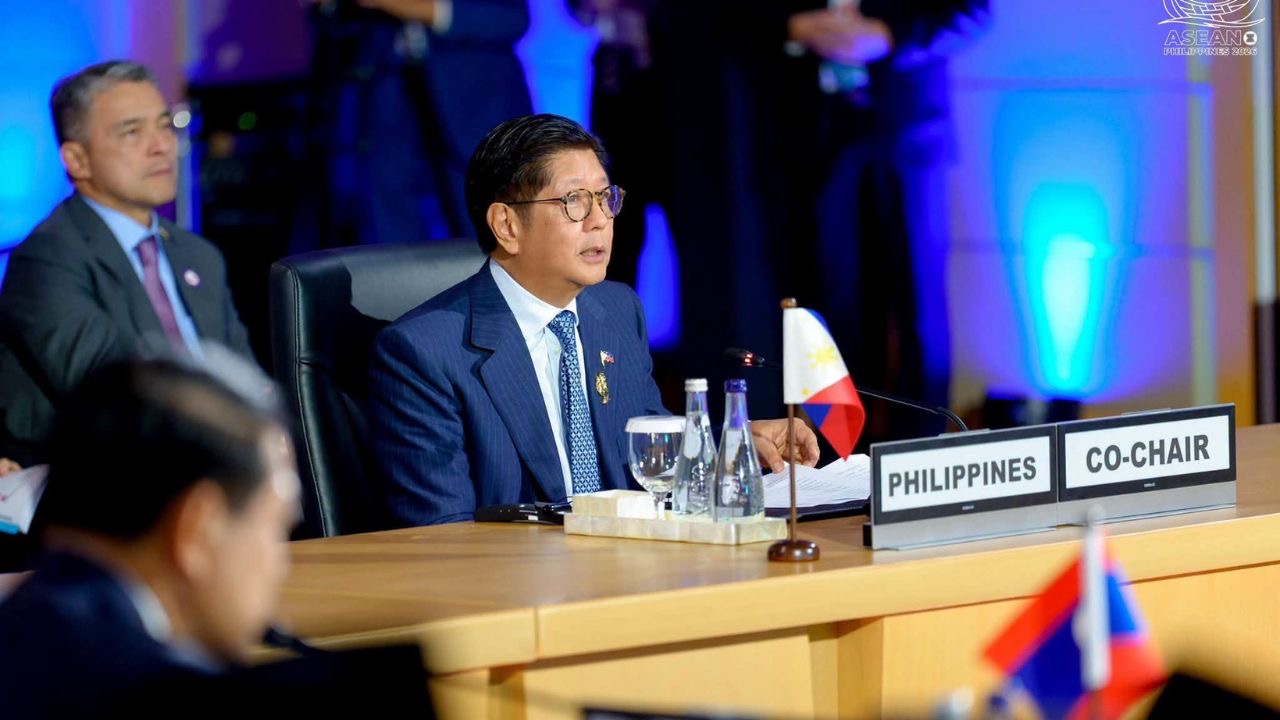
MANILA—President Ferdinand R. Marcos Jr. called for a pragmatic, country-driven approach to regional decarbonization that balances energy security and economic growth with each nation’s specific development priorities during the 4th Asia Zero-Emission Community (AZEC) Leaders’ Meeting on November 17, 2026 according to the Presidential Communications Office (PCO).
In a social media post, the PCO emphasized that reliable and affordable power remains critical to sustaining economic expansion, protecting livelihoods, and keeping businesses operational across communities.
Highlighting the Philippines' energy roadmap, President Marcos said the government is advancing its strategic petroleum reserve while opening doors for investments in renewable energy, grid modernization, energy storage, natural gas, energy efficiency, and emerging technologies.
According to PCO, the Chief Executive also reaffirmed Manila’s target of securing at least 25 gigawatts of renewable energy capacity by 2035 and boosting renewables’ share in the national power generation mix to 50 percent by 2040.
Stressing that energy resilience is a shared regional responsibility, the President urged AZEC partner nations to strengthen information sharing, establish practical storage arrangements, maintain open sea lanes, and uphold fair and transparent energy markets.
PCO also shared that he added that the shift toward cleaner power must remain a just energy transition that generates decent employment, equips workers for emerging industries, and safeguards affected communities.
Co-chaired by Marcos and Japanese Prime Minister Sanae Takaichi in Manila, the summit brings together regional leaders to address supply chain vulnerabilities and accelerate Asia's transition toward lower emissions without compromising power affordability.
Through the PCO, the administration maintained that coordinated regional action is vital to building stronger economies and a more resilient energy future.
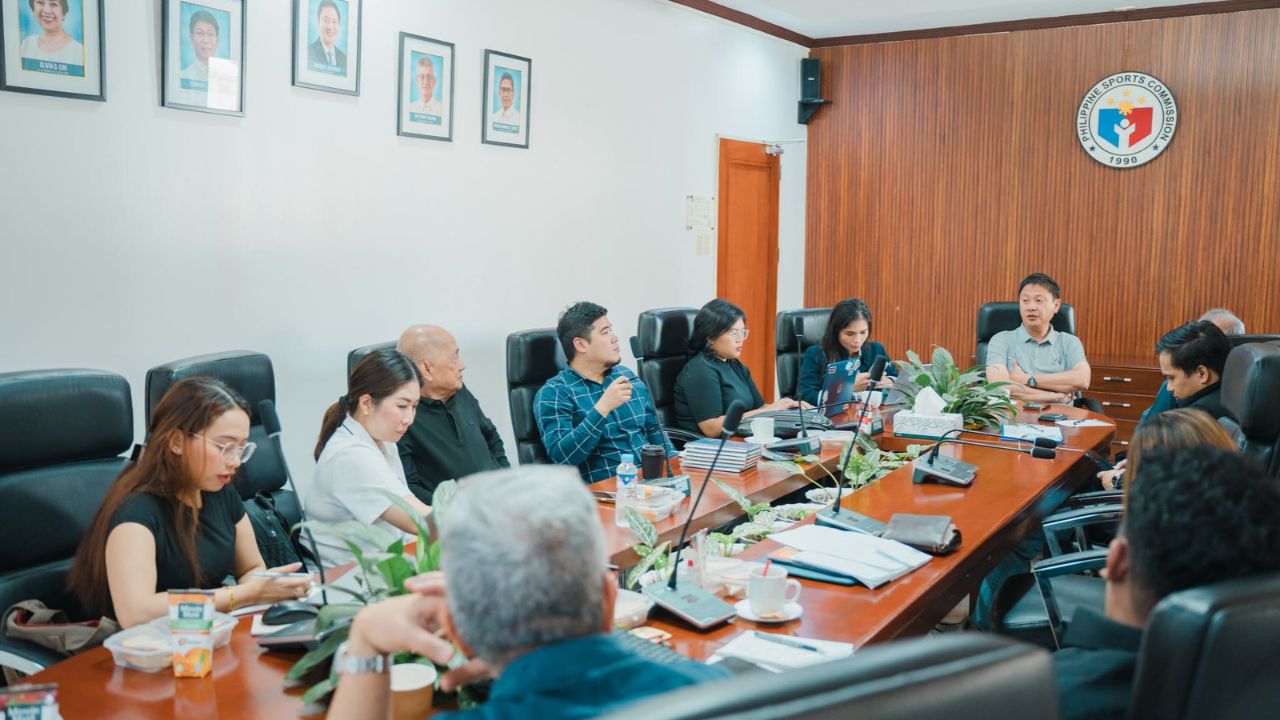
MANILA—The Philippine Sports Commission (PSC) and the newly formed Local Organizing Committee (LOC) have formally initiated financial planning for the 2027 Southeast Asian Plus Youth Games (SEAPYG).
In a social media post shared by the PSC, officials convened for a budget deliberation at the Rizal Memorial Sports Complex in Manila to assess the funding requirements for the upcoming regional hosting.
In the said post, PSC Chairman John Patrick C. Gregorio spearheaded the meeting alongside appointed LOC President Tom Carrasco Jr., a veteran Philippine sports executive and longtime president of the Triathlon Association of the Philippines (TRAP).
Their joint leadership anchors the administrative and logistical groundwork necessary to mount the multi-sport competition.
The Philippine Sports Commission also shared that the tournament will be scheduled from December 2 to 14, 2027 and will mark a major milestone for Philippine sports hosting.
The event will bring together athletes aged 16 and below from neighboring nations to compete across five key hubs: Manila, Pasay, Pasig, Tagaytay, and Subic Bay.
