


%201.svg)


Emergency Hotline:
(+63) 2 911 – 8688


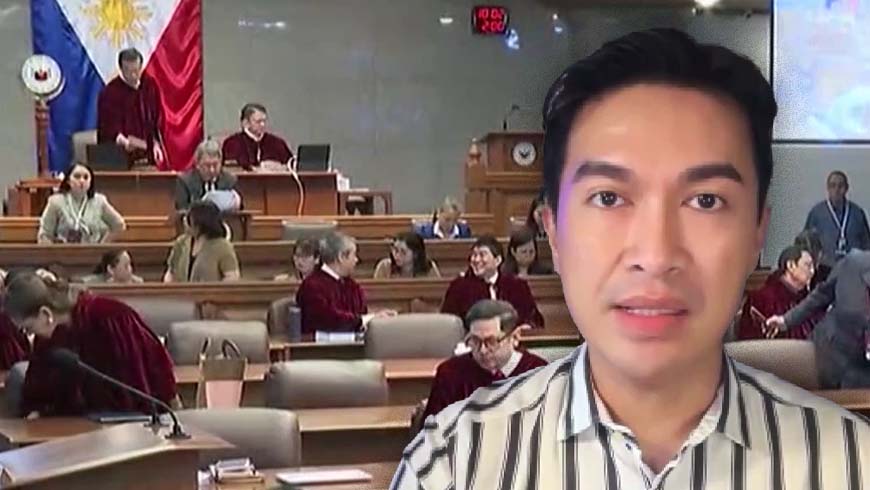

Heavy rains and flooding have been experienced across Metro Manila for several days, caused by the Southwest Monsoon.
In line with this, work in government offices has been affected, which is why the impeachment trial of Vice President Sara Duterte has also been suspended.
In total, the trial has been cancelled for three days — two days this week, and one day last week.
However, Senate Impeachment Court Spokesperson Atty. Regie Tongol explained that as of now, they do not yet see the trial as being delayed or disrupted due to bad weather.
Atty. Tongol was asked if it is possible to hold the proceedings virtually if the weather doesn’t improve in the coming days.
In response, he explained that it would still require a formal motion and a reasonable basis from both sides before an alternative method of trial could take place or be established.
“Wala po kasi sa impeachment rules natin yung virtual court hearing,” Atty. Tongol said
[“Virtual court hearing is not included in the impeachment rules.”]
“Bago ka magkaroon ng video conferencing hearing, kailangang mag-move yung either party and to give reasonable or justifiable reason kung ba't kailangan ng online or virtual hearing,” he added
[“Before you can have a video conferencing, either party needs to move and give a reasonable or justifiable reason why an online or virtual hearing is necessary.”]
He called it a logistical nightmare or a major challenge for the impeachment court if they force the trial to be held on a virtual platform.
“24 senator-judges yung kailangan naka-online din para mag-constitute ng quorum. Kailangan, at least 13 ang naka-online,” he said
[“There are 24 senator-judges who also need to be online to constitute a quorum. At least 13 need to be online.”]
“So medyo madugo-dugo po yan, plus yung House Prosecution Panel, masyadong marami rin na mga tao sila at pati yung respondents,”
[“So that’s quite difficult, plus the House Prosecution Panel, they also have too many people, as well as the respondents.”]
“So marami rin pong tao yon, in even the ah staff ng ating mga Senator-judges and the Clerk of Court po ng impeachment court. So medyo it's a logistical nightmare kung magkakaroon ng virtual hearing,”
[“So that is also a lot of people, and even the staff of our Senator-judges and the Clerk of Court of the impeachment court. So, it’s a bit of a logistical nightmare if there will be a virtual hearing.”]
Atty. Tongol clarified that the Senate Impeachment Court is not actually considering the trial to be conducted online due to lack of legal basis. However, if that is forced, the existing Senate rules, as well as the Senate Court Impeachment Rules, would first need to be amended.

Actor Derek Ramsay and the driver of a Porsche 918 supercar have responded to a show-cause order issued by the Land Transportation Office (LTO) after the vehicle was caught using a fake plate along EDSA.
LTO Chief Assistant Secretary Markus Lacanilao confirmed that they voluntarily surrendered the vehicle, registered under the actor’s name.
“Tumugon sila dun sa show-cause order. Sinurrender yung supercar at yung driver's license nung negosyante, Mr. Violago, na nagda-drive nung sasakyan,” he said
[“They responded to the show-cause order. They surrendered the supercar along with the driver’s license of the businessman, Mr. Violago, who was driving the vehicle.”]
The supercar is now impounded at the LTO, while the agency investigates how the fake plate was acquired and attached to the vehicle.
Following the incident, the LTO reiterated its warning against manufacturing or purchasing unauthorized plates online that imitate government-issued plates.
The agency explained that fake plates or conduction stickers can be used to conceal vehicle identities and evade traffic enforcement systems, including the no-contact apprehension policy (NCAP).
The LTO announced that they will intensify nationwide operations against the use of fake plates starting September 1, 2026.
With reports from Asher Cadapan Jr.
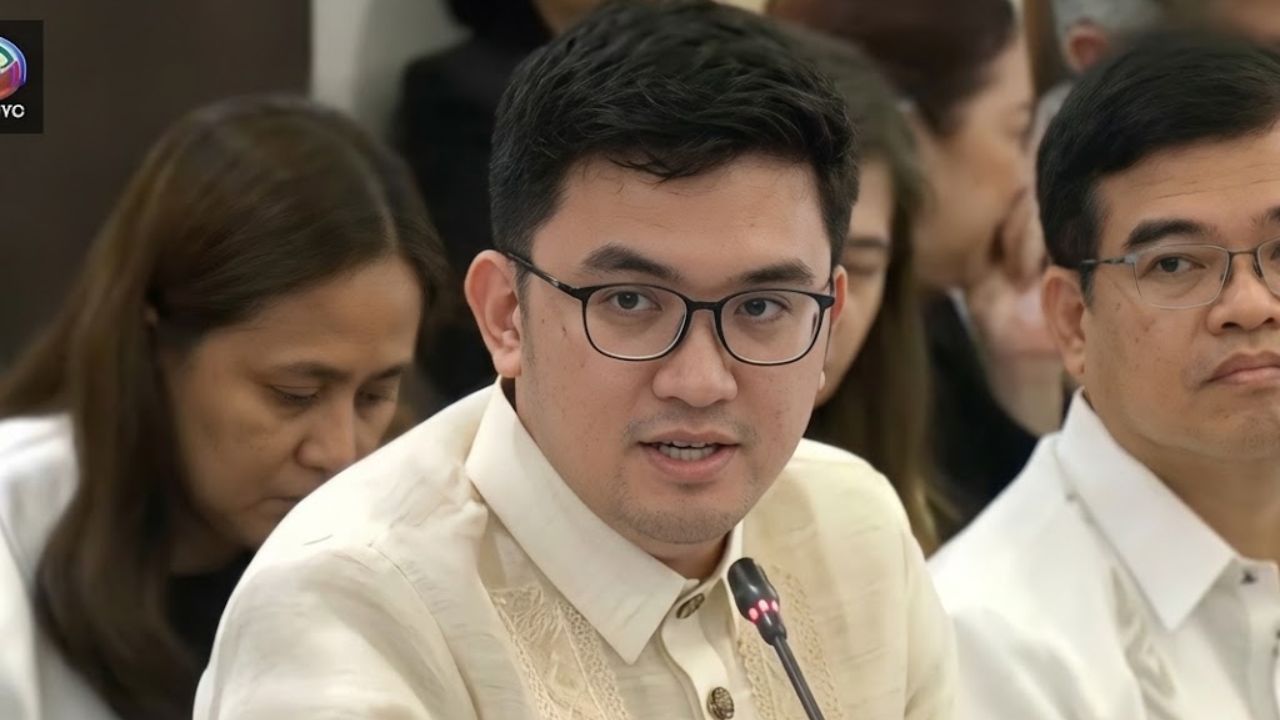
There is no allocation for the Pax Silica project under the proposed 2027 national budget.
DBM Acting Secretary Kim Robert De Leon and DOF Secretary Frederick Go confirmed this during the congressional meeting on August 17, 2026.
According to Go, the Pax Silica project is still a proposal.
“This industrial hub is a proposed industrial hub. So one thing is for sure: there’s nothing in the budget that will spend for this ‘proposed industrial hub’ because nothing has been signed,” he said
He also expressed confidence that the DBM won’t make an expense-line item for the project because that is still under preliminary discussion.
“It’s still a discussion, so I’m pretty sure that DBM will not put any budget-line, expense-line item for something that is in very preliminary discussion,” he added
Sec. De Leon clarified that the additional allocation for the Department of Information and Communications Technology (DICT) is not intended for the proposed industrial hub.
“Wala pong allocation in the NEP (National Expenditure Program) intended for Pax Silica,” he said
“The amounts mentioned by the good congresswoman under DICT is intended for the implementation of a new mandate under a law enacted by Congress, which is the e-government law,” he added
RELATED VIDEO:
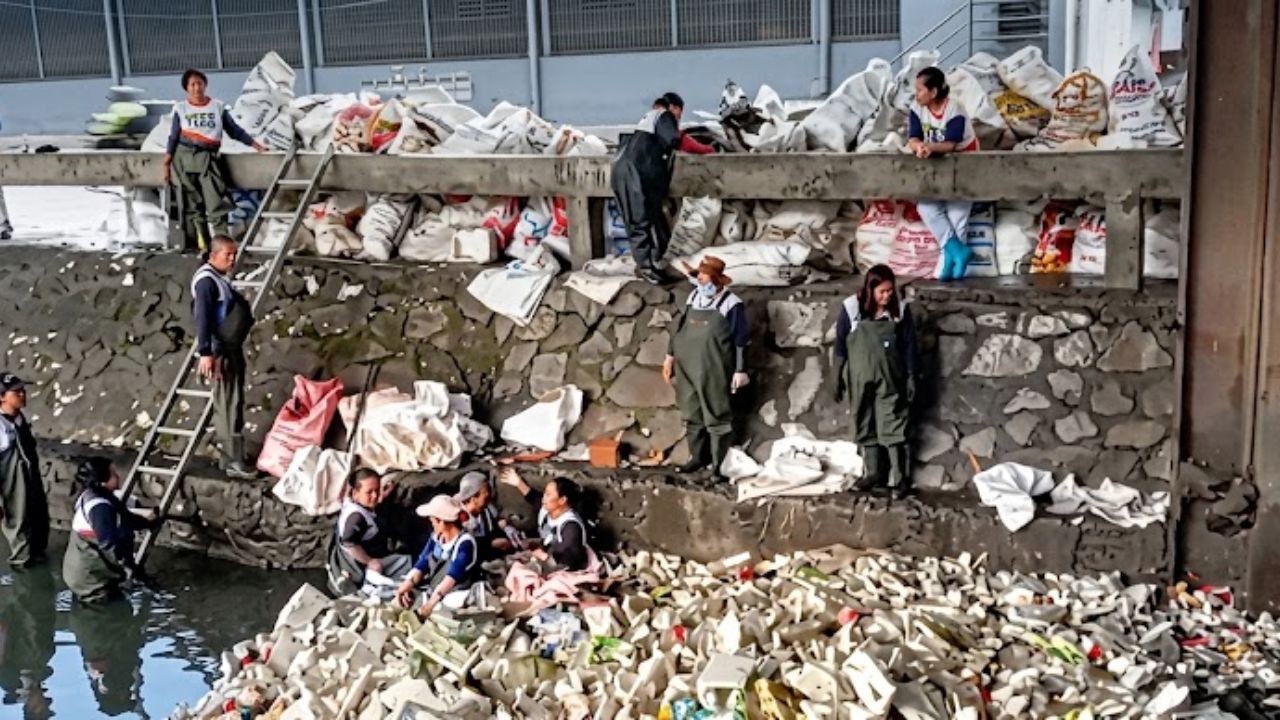
Flooding along parts of G. Araneta Avenue lasted an estimated six hours after the San Juan River overflowed following heavy rains.
Cleanup operations were immediately conducted along G. Araneta Avenue and San Juan River; authorities cleared nine trucks of garbage.
According to Department of Public Works and Highways (DPWH) Secretary Vince Dizon, the agency plans to construct detention basins as a solution to this matter.
Sec. Dizon also inspected Navotas City Dike, where a pumping machine at the Barangay Daanghari pumping station was damaged. The trapped garbage damaged the machine, and they aim to repair it as soon as possible.
“Ang diperensya kasi non is pareho nung mga nangyari sa mga ibang station, pag pinasok ng basura yung bomba, nasisira,” he said
According to Navotas City Mayor John Rey Tiangco, no flooding was recorded in the city despite high tide and heavy rainfall.
With reports from Benedict Samson
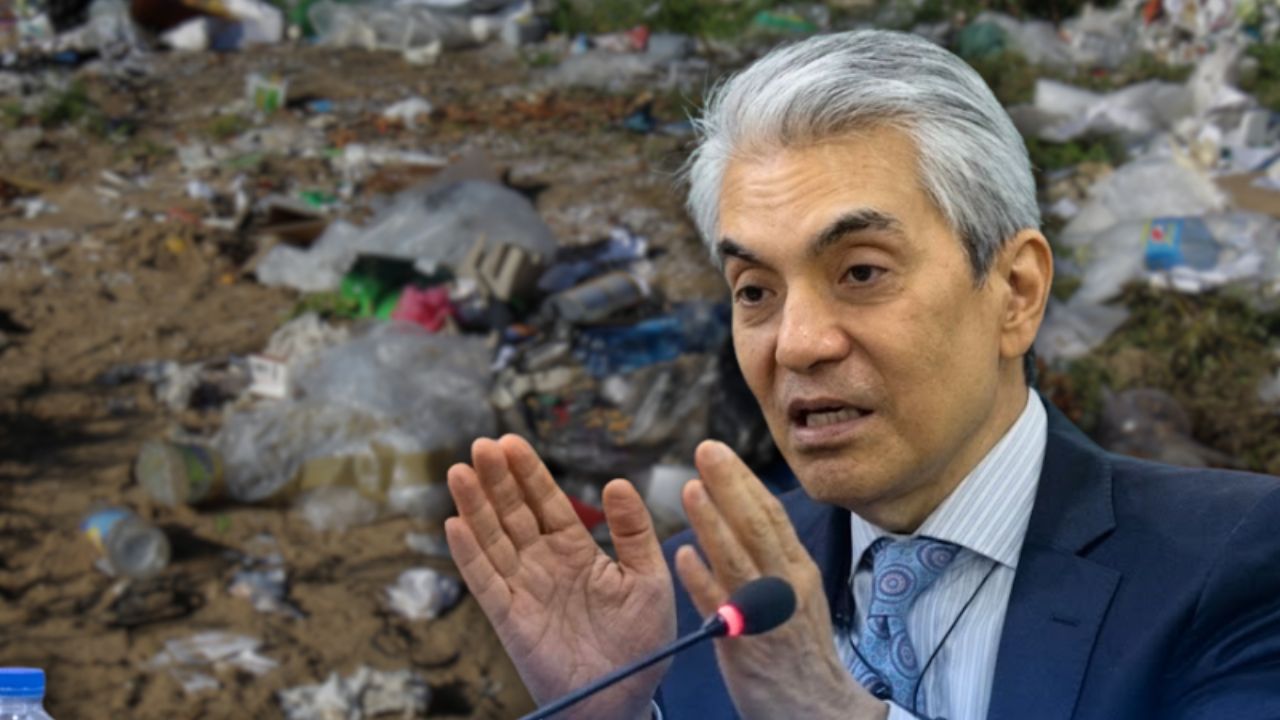
Navotas City Rep. Toby Tiangco filed a bill in the House of Representatives seeking to sanction individuals caught littering in public spaces.
Under House Bill No.10841 or the Anti-Littering Community Service Act, anyone found proven guilty of disposing of solid waste in public spaces, such as roads, canals, and waterways, must undergo community service in the city or municipality where the violation occurred.
Republic Act No. 9003, or the Ecological Solid Waste Management Act of 2000, is currently in effect. Among the list of prohibited acts under Section 48 is dumping of waste matter in public places.
RELATED VIDEO:
