


%201.svg)


Emergency Hotline:
(+63) 2 911 – 8688


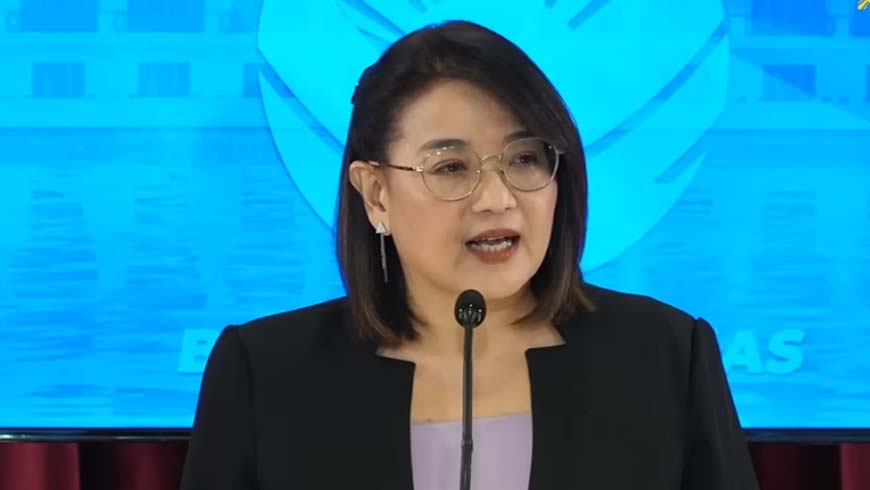

Malacañang came under fire after Palace Press Officer Undersecretary Claire Castro declared that the country has yet to experience an oil crisis, insisting that fuel supply remains available despite the steep rise in petroleum prices.
Castro cited ongoing negotiations for the importation of 440,000 barrels of fuel, with an additional 600,000 barrels expected to follow.
"Sa katunayan, sinabi po ni Secretary Garin na mayroon na pong negosasyon patungkol sa 440,000 barrels ng fuel; at sa susunod naman po ay mayroong 600,000 barrels na maaari po nating maangkat. Ang sinasabi po natin na wala pa po at hindi pa po dinideklara na mayroon tayong oil crisis dahil nga po sapat ang suplay sa ngayon. Most probably, according to Secretary Sharon, ang nagkakaroon lamang po ng issue ay tungkol sa presyo dahil alam naman po natin kung ano ang nangyayari na krisis sa Middle East," Castro said.
["In fact, Secretary Garin said that there are already negotiations for 440,000 barrels of fuel, and next, there are 600,000 barrels that we can import. What we are saying is that we have not yet declared an oil crisis because supply is sufficient for now. Most probably, according to Secretary Sharon, the issue is only about prices, because we know what is happening with the crisis in the Middle East."]
The statement drew an immediate rebuke from Kamanggawa Partylist Rep. Eli San Fernando, who challenged Castro to step outside her office and witness the reality facing ordinary Filipinos. San Fernando said Malacañang appears to be the only one unaware that an oil crisis is already underway.
The lawmaker called on the Marcos administration to shift into emergency mode rather than relying on cash aid as a solution.
"Dapat po ang attitude ninyo ay crisis mode na at emergency mode. Ang maganda ninyong gawin, isuspinde ninyo yung excise tax, yung value added tax sa mga produktong petrolyo, i-address ninyo yung issue ng sahod ng mga manggagawa," San Fernando said.
["The attitude should already be in crisis mode and emergency mode. What you should do is suspend the excise tax and the value-added tax on petroleum products, and address the issue of workers' wages."]
Navotas City Rep. Toby Tiangco also expressed disbelief over the Palace's remarks.
"Hindi ko matanggap 'yon. Wala pa tayo sa krisis. Eh ang taas na nga ng presyo ng langis, di ba? Pag nagpapakarga ka nga ng diesel, pataas ng pataas eh, so paano namang wala tayo sa krisis?" Tiangco said.
["I cannot accept that. We are not yet in a crisis? Fuel prices are already so high. Every time you fill up with diesel, the price keeps going up — so how are we not in a crisis?"]
Makabayan lawmakers similarly condemned what they described as the administration's apparent dismissal of the situation, criticizing the lack of urgent action from Malacañang.
They warned that downplaying the crisis breeds complacency, slows down response, and conditions the public to treat worsening hardship as normal, a situation they said is anything but, as the burden on workers, drivers, farmers, the youth, and the poor continues to grow daily.
The bloc stressed that what the public needs to hear from the government are concrete and specific steps on how to move forward, adding that the administration currently lacks clear direction and appears to be going in circles.
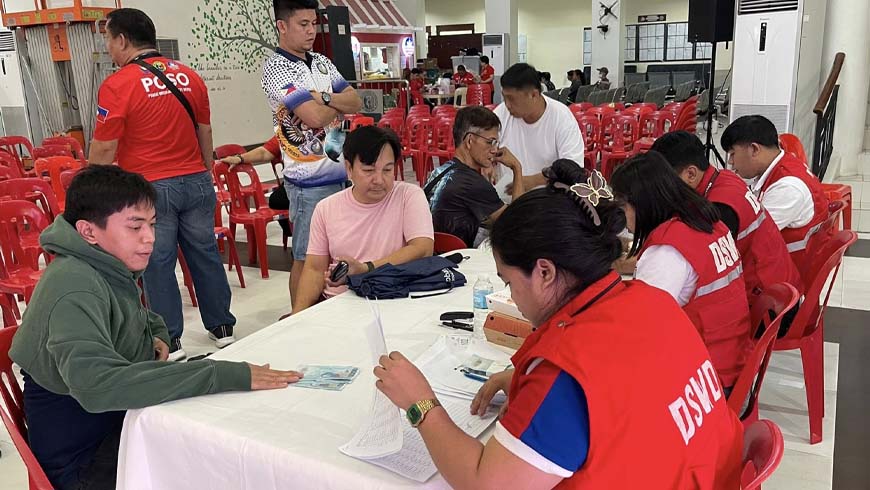
The Department of Social Welfare and Development began distributing cash assistance to Transport Network Vehicle Service drivers in Metro Manila today, March 24 with over 27,000 drivers targeted to receive aid through 17 payout centers across the region.
Similar to the assistance extended to tricycle drivers, each TNVS driver is set to receive P5,000 in financial relief. However, the rollout was met with immediate concerns after numerous drivers discovered they were not included in the DSWD's beneficiary list.
Laban TNVS President Jun de Leon said their group was still scrambling to locate missing names well into the early hours of the morning.
"Alas-4 na tayo natulog dahil hinahanap natin ang pangalan ng ating driver at wala po sa listahan. At nakakalungkot po dun sa social media page namin silipin nyo po kung saan nagra-rant na yung mga kasamahan natin TNVS driver at tawag at text sa atin na tulungan sila," de Leon said.
["We only slept at 4 a.m. because we were searching for our drivers' names and they were not on the list. And it is saddening to see on our social media page where our fellow TNVS drivers are ranting, and calling and texting us to help them."]
DSWD Secretary Rex Gatchalian acknowledged that unlisted drivers were expected, drawing a parallel to similar issues encountered during the tricycle driver payout. He said the names of beneficiaries are posted at each payout center, and that help desks have been set up at every site, staffed by personnel from the DSWD, Department of Transportation, Land Transportation Franchising and Regulatory Board, and transport network companies, to assist drivers who need to file appeals.
Gatchalian also urged transport network companies not to filter the drivers they submit to their lists, and called on drivers filing appeals not to direct their frustration at DSWD field personnel at the payout centers, clarifying that those staff had no involvement in determining who was included in the list.
Despite the ongoing distribution, de Leon maintained that the P5,000 aid falls short given the soaring cost of fuel. He said TNVS drivers consume an average of 20 liters of gasoline daily, translating to a loss of over P500 per day.
"Nag-a-average po ng 20 liters everyday ang gasolina na ikinakarga ng ating mga kasamahang drivers na bumibiyahe at kung i-compute ito, mahigit P500 ang nawawala araw-araw sa ating mga TNVS driver. Itong P5,000 kung idadagdag sa loss ng mga ating mga TNVS driver, ito po ay pang isang linggo lamang," de Leon said.
["Our fellow drivers consume an average of 20 liters of gasoline every day, and if you compute that, more than P500 is lost daily by our TNVS drivers. This P5,000, if added to the losses our drivers are facing, only covers about one week."]

International Energy Agency (IEA) chief Fatih Birol warned Monday that the global economy is under a "major threat" from the energy crisis triggered by the Middle East war, stressing that no country will be spared from its consequences.
Speaking at the National Press Club in Canberra, Australia, Birol likened the current crisis to the oil shocks of the 1970s and the economic fallout from Russia's invasion of Ukraine in 2022, describing it as the equivalent of two oil crises and one gas crash combined.
"The global economy is facing a major, major threat today, and I very much hope that this issue will be resolved as soon as possible," Birol said, adding that collective global action is urgently needed.
The warning comes as US President Donald Trump and Tehran continue to trade threats now four weeks into the war. Trump has demanded that Iran reopen the Strait of Hormuz, a critical waterway through which roughly 20 percent of the world's oil and gas shipments pass.
The blockade has nearly brought petroleum shipments through the strait to a halt, sending oil prices surging.
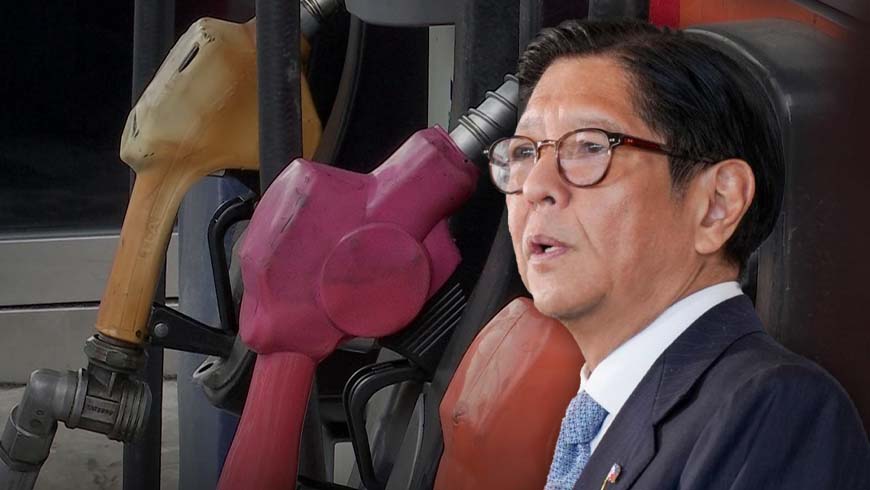
President Ferdinand Marcos Jr. said he still needs to carefully determine how to use the emergency power recently granted to him by Congress before taking any action on the fuel excise tax.
Both the House of Representatives and the Senate have passed their respective versions of a measure granting the President emergency power to suspend or reduce the excise tax imposed on petroleum products. However, Marcos stressed that the move requires thorough study.
"Oh, that depends. Marami – that's a very complicated calculation. We will see. Depends on the trends. We have to watch the trends on oil prices. We just have to look. It's very hard to say because it's all speculation. We don't know how long this will last for."
("It depends on many factors — it's a very complicated calculation. We will have to watch the trends on oil prices. It is difficult to say at this point, as much of it remains speculation, and we do not yet know how long the current situation will last.")

President Ferdinand Marcos Jr. conducted an inspection of the Agora Market in San Juan City, accompanied by other government officials, as part of the government's ongoing price and supply monitoring efforts amid the continuing conflict in the Middle East.
The President expressed satisfaction with the results of his inspection, assuring the public that there is no cause for concern over food supply and the prices of basic commodities.
"Well, nandito tayo at iniikot namin ang mga iba't ibang palengke para tiyakin na ang presyo naman ng pagkain natin ay hindi biglang tataas. At nagpapasalamat din kami sa mga vendor dahil ay pumayag naman sila na hindi itataas ang presyo at hindi sila mag-price gouging at hindi sila magsasamantala dito sa krisis na nangyayari sa Middle East. Kaya patuloy naman ang pag-inspeksyon natin para tiyakin na ang food supply – hindi lamang ang food supply, kundi ang presyo ng pagkain ay at the very least ay makikita natin na ma-maintain lang natin sa dating level."
("We are here visiting various markets to ensure that food prices do not suddenly rise. We are also grateful to the vendors for agreeing not to raise their prices and not to engage in price gouging or take advantage of the crisis happening in the Middle East. So we will continue our inspections to ensure that the food supply — not just the food supply, but also food prices — will at the very least be maintained at their previous levels.")
At the Agora Market, the cheapest well-milled rice was spotted at P48 per kilo, while premium rice ranged from P56 to P68 per kilo. A rice retailer interviewed at the market said prices were raised by only one peso this week, attributing the slight increase to higher transportation costs brought about by the recent mega fuel price hike.
The President also assured the public that the supply of petroleum products and fertilizers for farmers remains sufficient.
