


%201.svg)


Emergency Hotline:
(+63) 2 911 – 8688


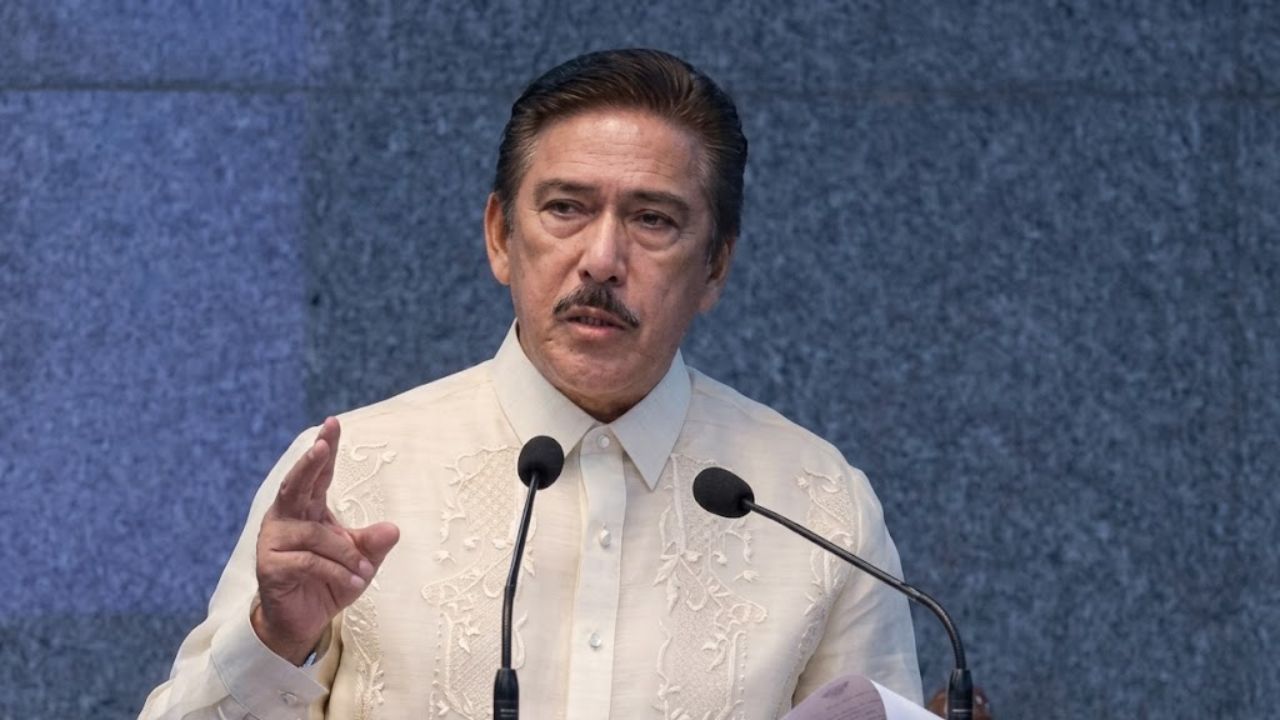

Senate President Pro Tempore Vicente "Tito" Sotto III has filed a bill seeking to raise the annual income tax exemption to 350,000 pesos by January 2027.
This follows the announcement of President Ferdinand Marcos Jr. during his fifth State of the Nation Address, where he mentioned the planned expansion of the income tax exemption.
Under Senate Bill No. 2338, or the proposed Expanded Income Tax Exemption Act of 2026, Sotto is pushing to raise the annual income tax exemption to 350,000 pesos from the current 250,000 pesos, starting next year.
According to the senator, this aims to allow more Filipino workers to save more from their daily earnings.
This also comes amid rising living costs, with many Filipinos currently struggling to keep up with expenses compared to their income.
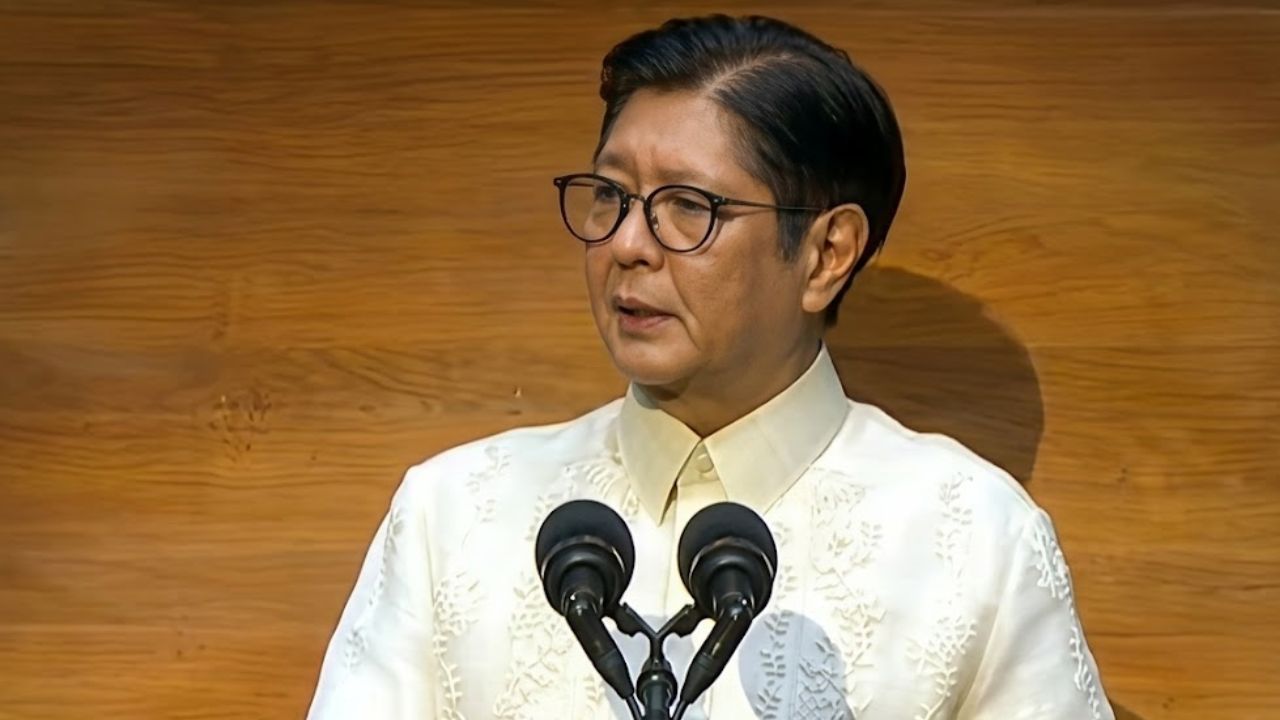
President Ferdinand Marcos Jr. used part of his fifth State of the Nation Address (SONA) on Monday, July 27, to lay out what he described as a more proactive, technology-driven disaster response system, while also pledging tax relief measures to help the middle class cope with the lingering effects of the Middle East-driven economic crisis.
Tax relief for the middle class
Marcos said the government would pursue tax relief measures aimed at supporting the middle class amid the continuing economic strain, describing the planned measures as designed to promote growth, generate revenue, and advance equity toward what he called socio-economic sustainability. The President did not specify further details on the scope or timeline of the proposed tax measures in this portion of his address.
Lessons from recent disasters
Marcos said the past several months had underscored three lessons for the country: the importance of security and stability in energy, food, foreign relations, and the safety of citizens wherever they may be; the government's ability to act swiftly and appropriately in crises; and the resilience of the Filipino people in the face of these challenges.
He cited the government's response to a magnitude 7.8 earthquake that struck off the coast of Sarangani, Mindanao in June 2026, which triggered landslides, a tsunami warning, and coastal uplift affecting farming and fishing communities in the region.
It followed an earlier magnitude 6.9 earthquake that hit Bogo City and nearby towns in Cebu in September 2025, and Typhoon Tino (Kalmaegi), which made landfall multiple times across the Visayas and Palawan in November 2025, a string of disasters that, combined, killed more than 300 people and displaced over half a million residents.
Marcos said the government had assisted more than 600,000 families affected by the recent earthquakes, with more than ₱3 billion released for immediate aid in the form of food, medical care, financial assistance, and housing support. He added that water, power, communication lines, and roads in the affected areas were gradually being restored, and said the government's mission extended beyond one-time relief toward helping communities fully recover and rebuild.
A shift to predictive disaster response
The President said the country had moved from a reactive to a "not only proactive, but predictive" approach to disaster management, aided by digital tools. He credited this shift to strategies including public-private supply chains, hub-and-spoke warehousing, automated production, and the wide-scale pre-positioning of food and non-food supplies in local government units.
Marcos said the government has now built a nationwide disaster response network consisting of primary disaster resource centers in Luzon and the Visayas , with one planned soon for Mindanao, supported by 15 hubs, 76 spokes, and 919 last-mile facilities across the country. He said this infrastructure now allows the government to deliver emergency relief and nourishment to affected areas in under 24 hours, down from the response times of past disasters.
He also cited the deployment of Mobile Energy Systems to restore emergency power in areas hit by outages during crises, alongside the Government Emergency Communications System and the country's first satellite-to-mobile service, both intended to keep communication lines open nationwide during disasters.
Marcos further pointed to the concept of a "State of Imminent Disaster," which he said allows the government to prepare and respond ahead of a calamity rather than waiting for it to strike.
He said that, taking these lessons into account, the government's broader mission going forward would not simply be to uplift Filipinos, but to ensure the security and self-sufficiency of the nation and its citizens.
Rising fuel prices and public transport
Marcos also acknowledged the impact of rising fuel prices on ordinary Filipinos, many of whom rely on public transportation, signaling a transition in his address toward the government's transport and commuter assistance measures amid the continuing fuel crisis.
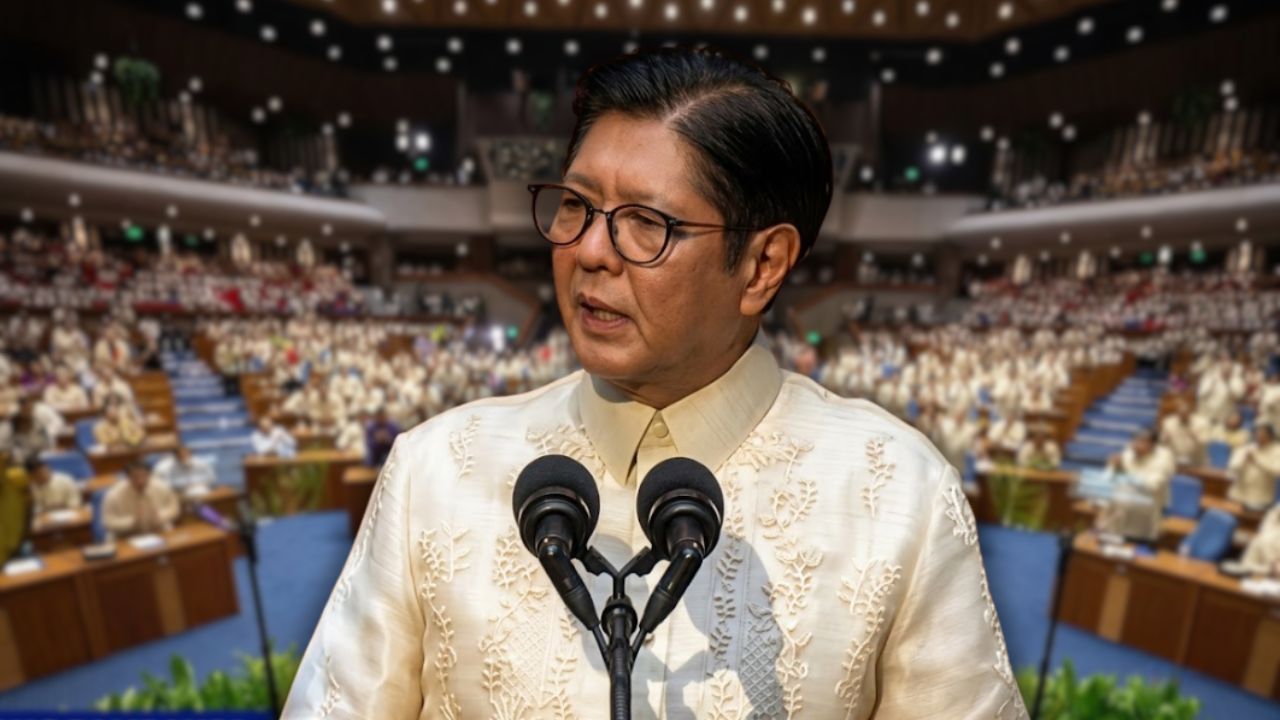
Manila, Philippines – President Ferdinand Marcos Jr. defended his administration's handling of the economic fallout from the ongoing Middle East conflict during his fifth State of the Nation Address (SONA) on Monday, July 27, telling Filipinos the government had done everything it could to cushion the impact of the crisis.
"Mga kababayan, sa ating pagbabalik-tanaw, kaya ko kayong harapin at sabihin na ginawa natin ang lahat ng nararapat upang malunasan ang mga epekto ng krisis. Agarang kumilos ang buong pamahalaan upang tumulong sa mamamayan," Marcos said on his SONA at the Batasang Pambansa.
(My fellow Filipinos, as we look back, I can face you and say that we did everything necessary to address the effects of the crisis. The entire government acted swiftly to help our people.)
The President added that the Philippines' response had even drawn international recognition for its speed and efficiency, though he acknowledged that five months since the war erupted, the country still feels its weight.
The 2026 energy emergency
The Philippines has been grappling with an energy and fuel crisis since early 2026, triggered by the escalating conflict in the Middle East and the resulting disruption in the Strait of Hormuz, a critical corridor for the country's oil imports, roughly 98% of which come from the Middle East.
On March 24, Marcos declared a state of national energy emergency through Executive Order No. 110, citing the need to preserve the country's crude oil supply, which officials said would only last until the end of June without intervention. The Philippines was the first country in the world to declare an energy emergency in response to the conflict.
The crisis has pushed fuel and commodity prices sharply higher, with the Philippine Institute for Development Studies (PIDS) estimating that between 1.3 million and 3.1 million additional Filipinos could be pushed into poverty as a result.
Government response outlined in the SONA
In his address, Marcos detailed a series of interventions the government has rolled out over the past several months, covering OFW repatriation, fuel and food supply, job protection, and support for the transport sector:
PBBM said the government would now shift more of its support toward Filipinos who need it most, citing plans to reach the roughly 3.5 million beneficiaries of the 4Ps and Walang Gutom programs, along with minimum-wage workers, as the crisis response moves from emergency relief toward broader, more targeted assistance in the months ahead.
The address comes as the Middle East crisis continues to weigh on the Philippine economy, with inflation and fuel prices remaining a top public concern heading into the second half of Marcos' term.
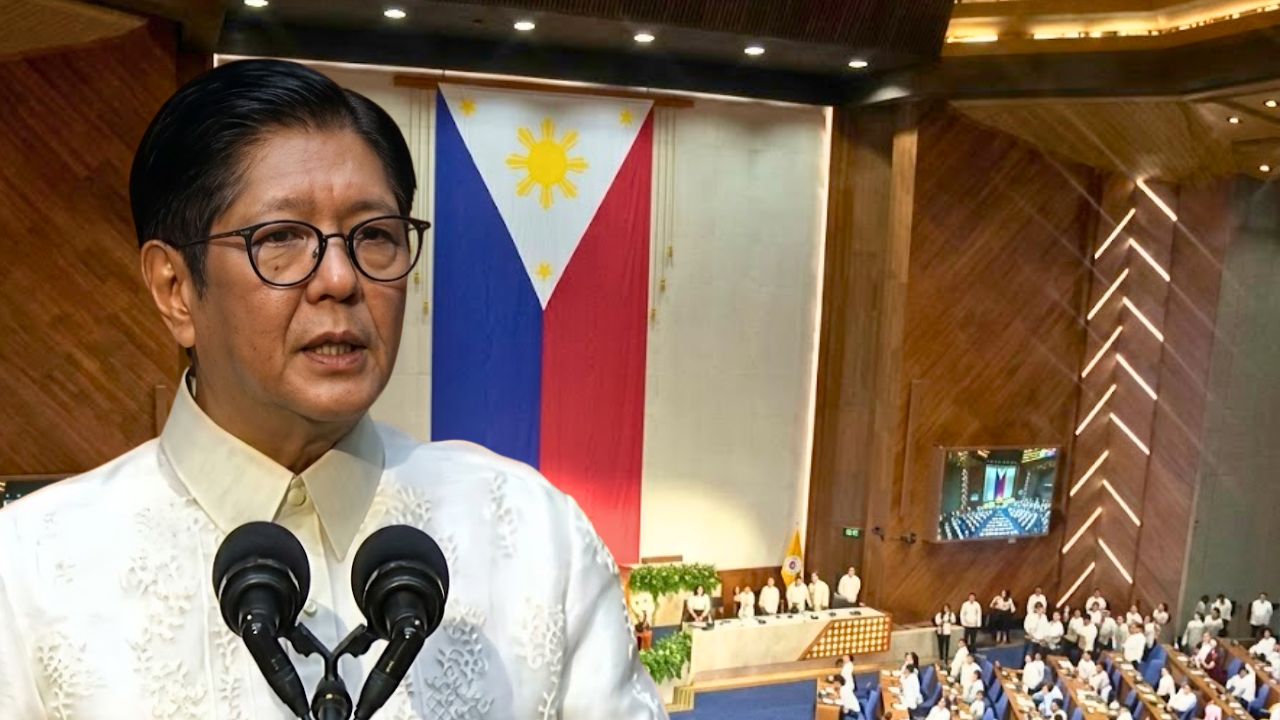
President Ferdinand Marcos Jr. opened his fifth and penultimate State of the Nation Address (SONA) on Monday, July 27, with an unusually pointed rebuke of his own cousin, former House Speaker and Leyte 1st District Representative Ferdinand Martin Romualdez, as he intensified his administration's campaign against corruption in the flood control projects scandal.
Speaking before Congress at the Batasang Pambansa, Marcos said an initial batch of contractors, senior officials of the Department of Public Works and Highways (DPWH), and lawmakers have already been charged and detained over the anomalies. He added that, based on information from the Office of the Ombudsman, multiple cases are also expected to be filed soon against Romualdez.
"Dumating na tayo sa punto na ayon sa Ombudsman, ay malapit na ang paghahain ng patong-patong na kaso laban sa dating Speaker. Masakit man sa akin ito, ngunit kailangan nating gawin ang tama. Hindi ako Pangulo ng aking pamilya. Hindi ako Pangulo ng aking kaibigan. Ako ay Pangulo ng Pilipinas at ang tungkulin ko ay sa inyo, ang aking mga kapwa Pilipino," PBBM said.
(We have reached a point where, according to the Ombudsman, multiple cases are about to be filed against the former Speaker. This pains me, but we need to do what is right. I am not the president of my family. I am not the president of my friend. I am the President of the Philippines, and my duty is to you, my fellow Filipinos.)
Ombudsman names Romualdez "central figure"
The President's remarks followed an Ombudsman finding that identified Romualdez as the "central figure" in the multibillion-peso flood control corruption scheme.
Romualdez, who resigned as House Speaker after being implicated in the scandal, has denied any wrongdoing. His close ally, former Ako Bicol Representative Elizaldy "Zaldy" Co, who is now in hiding abroad, has accused both Romualdez and Marcos himself of masterminding the insertion of flood control kickbacks into the 2025 national budget — allegations both men have denied.
Despite the Ombudsman's finding, no formal case had been filed against Romualdez as of SONA day, even as other officials tied to the scandal have already been charged, arrested, or detained.
These include Co, who faces malversation and graft charges filed in November 2025; contractor Sarah Discaya and several DPWH officials, charged in December; former Senator Ramon "Bong" Revilla Jr., charged in January 2026; and Senator Jinggoy Estrada and former DPWH Secretary Manuel Bonoan, who were slapped with plunder and graft charges in May over an alleged ₱573-million kickback scheme.
Estrada and Revilla are both currently detained at the New Quezon City Jail in Payatas, the designated facility for those accused in the flood control cases.
A year after "Mahiya naman kayo"
Monday's SONA marked one year since Marcos first drew national attention to the flood control mess in his 2025 address, when he ordered a government-wide investigation into substandard and "ghost" flood control projects and famously admonished corrupt officials to "have some shame" — a line that helped trigger the sprawling probe now underway.
In this year's speech, Marcos said his administration had conducted a thorough and impartial investigation and had "followed where the evidence pointed," resulting in the cases already filed against contractors, DPWH officials, and lawmakers.
A Pulse Asia survey conducted in late June, ahead of the address, found that the fight against corruption, particularly accountability for the flood control scandal — was the issue Filipinos most wanted Marcos to address in his fifth SONA, ahead of concerns over the cost of basic goods.
Romualdez: 'Wala akong ginawang labag sa batas'
In a statement issued after Marcos' SONA, Romualdez said he respected the President's remarks but maintained that he never sought favors or special treatment.
"Masakit man ito sa aming pamilya, iginagalang ko ang naging pahayag ng Pangulo. Hindi ako kailanman humingi ng pabor o espesyal na pagtrato. Sang-ayon ako na gawin natin ang tama. Ang tama ay ang sumunod sa proseso at hayaan ang ebidensya ang magsalita. Naninindigan akong wala akong ginawang anumang labag sa batas. At handa akong patunayan ito," Romualdez said.
(This pains our family, but I respect the President's statement. I never asked for any favor or special treatment. I agree that we should do what is right. What is right is to follow the process and let the evidence speak. I maintain that I have not done anything illegal. And I am prepared to prove this.)
Romualdez called on the public to let due process run its course and to let the evidence speak for itself.
Wider political backdrop
This year's SONA unfolded against a tense political backdrop. The impeachment trial of Vice President Sara Duterte, which began on July 6, is ongoing in the Senate.
Former President Rodrigo Duterte, meanwhile, remains in the custody of the International Criminal Court over crimes against humanity charges, with his trial set to begin in late November 2026, a case stemming from his administration's drug war and one of the more consequential moves of Marcos' presidency to date.
With two years left in his term, Marcos faces pressure to show concrete results from the flood control probe rather than promises, as members of the public and opposition lawmakers alike have noted that key figures like Co and Romualdez have yet to face formal charges more than a year after the scandal broke.
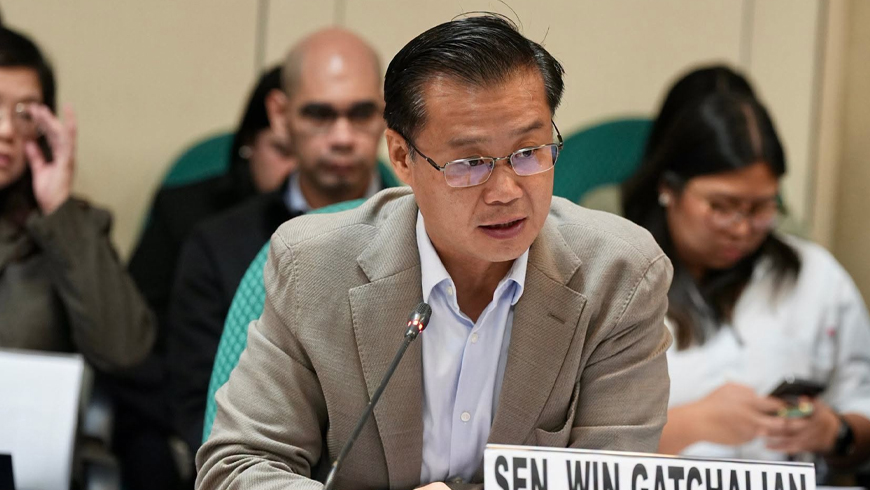
Senate President Sherwin Gatchalian confirmed that the Office of the Vice President had requested the Senate to shoulder the food and drinks of the defense team, staff, and witnesses of Vice President Sara Duterte during the impeachment trial.
However, Gatchalian maintained that the Senate's budget cannot accommodate the request, as priority is being given to the budget for hearings.
He said the Senate Impeachment Court is still studying the request, while no formal response has been given yet to the letter from the Office of the Vice President.
Gatchalian also said the Senate may need to rent additional facilities at the PICC, as some session and committee rooms are already being used for the impeachment trial.
Because of this, he said the Senate's limited funds need to be prioritized for its upcoming hearings.
"Desisyon na yan ng management ng Senado kung papayagan o hindi. It's a basic issue of budget eh. Hindi kaya ng budget dahil nga meron tayong mga gastusin. We have to prioritize of course yung budget hearings and committee hearings."
[That's a decision for the Senate management on whether to allow it or not. It's basically a budget issue. The budget can't afford it because we have expenses. We have to prioritize, of course, the budget for hearings and committee hearings]
SP Gatchalian also added that the Senate cannot afford it.
"We can not afford it, in short."
