


%201.svg)


Emergency Hotline:
(+63) 2 911 – 8688




The Bangsamoro Autonomous Region in Muslim Mindanao has just held its first regular parliamentary election, marking a major shift from the transitional government to a Parliament elected by Bangsamoro voters.
The September 14 polls were conducted across BARMM’s 32 parliamentary districts, with more than 2.3 million registered voters expected to participate. But unlike the regular national and local elections most Filipinos are familiar with, the BARMM election follows a different system.
So, what exactly is the difference?
In a regular election, voters directly choose officials such as the president, governor, mayor, vice mayor, and members of Congress or local councils.
In BARMM, voters elect members of the Bangsamoro Parliament, which then forms the regional government.
The Parliament has 80 members, with seats coming from regional political parties, parliamentary districts, and sectoral representation.
One major difference is the party vote. BARMM voters choose a regional political party, and parliamentary seats are allocated according to the parties’ share of the vote.
Voters also elect a representative from their respective parliamentary district, while designated seats are reserved for sectors including women, youth, settler communities, traditional leaders, ulama, and non-Moro Indigenous Peoples.
Another major difference is how the Chief Minister (Punong Ministro ng Bangsamoro) is chosen.
Unlike a president, governor, or mayor, the BARMM Chief Minister is not directly elected by voters. Instead, members of the Bangsamoro Parliament choose the Chief Minister from among themselves.
Simply put, a regular election largely involves voters directly choosing individual officials. The BARMM election combines party, district, and sectoral representation under a parliamentary form of government.
For voters, understanding the difference is important because their choices do more than determine who wins individual seats. The results shape the composition of Parliament—and ultimately who will lead the Bangsamoro regional government.
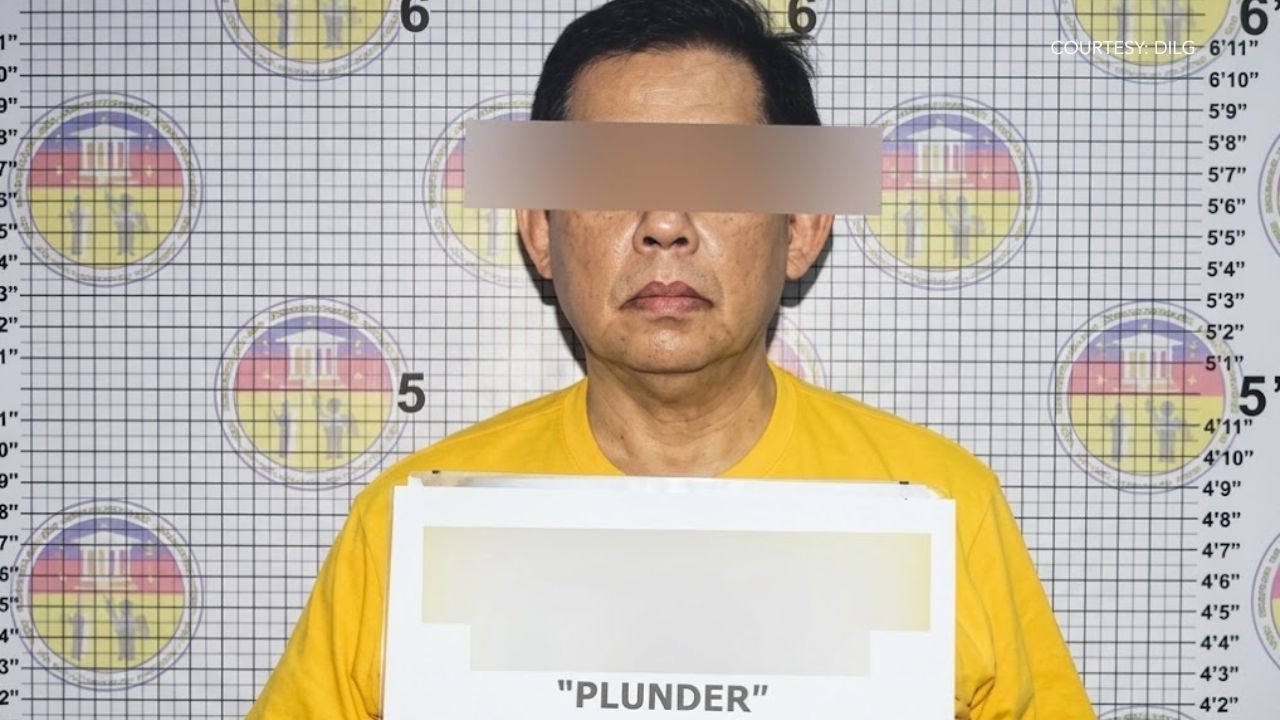
Former House Speaker and Leyte Rep. Martin Romualdez has been transferred to the New Quezon City Jail Male Dormitory in Payatas, Quezon City, following a Sandiganbayan order ending his hospital confinement.
Romualdez was brought to the jail Monday night, September 14, after doctors from the University of the Philippines-Philippine General Hospital (UP-PGH) found him clinically stable and said there was no imperative medical need for him to remain confined in an acute-care hospital.
The Sandiganbayan Third Division ordered that Romualdez be held at the facility as a detention prisoner.
According to the Bureau of Jail Management and Penology, Romualdez was subsequently placed in the jail infirmary, where he is being housed with other persons deprived of liberty who require medical attention.
Romualdez was arrested on September 7 while confined at Cardinal Santos Medical Center after the Sandiganbayan issued a warrant against him in connection with a ₱7.44-billion plunder case filed by the Office of the Ombudsman.
The case involves allegations that Romualdez and his co-accused received billions of pesos in kickbacks linked to flood-control, infrastructure and other government projects. Romualdez has maintained his innocence and said he will answer the allegations before the proper court.
His arraignment and pre-trial are scheduled for September 16 at 8:30 AM before the Sandiganbayan Third Division. During the arraignment, Romualdez will be asked to enter his plea to the plunder charge.
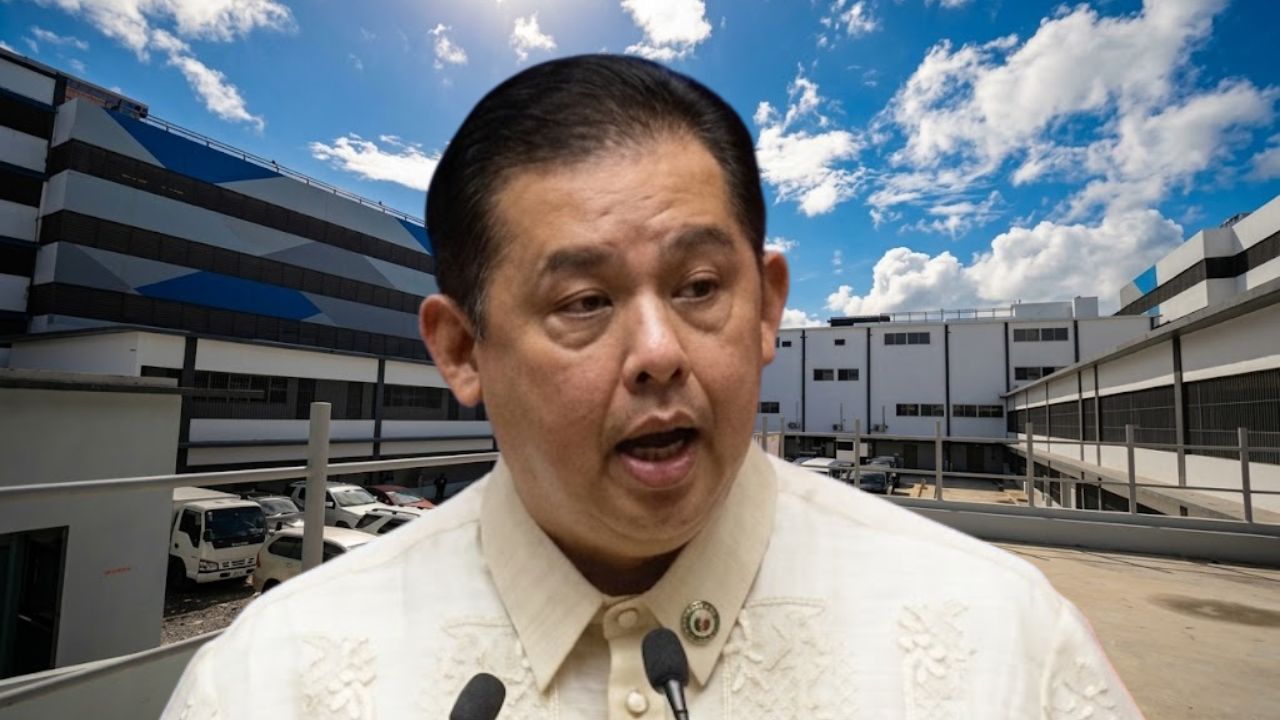
The Sandiganbayan Third Division has ordered the transfer of former House Speaker Martin Romualdez to the Quezon City Jail Male Dormitory after an independent medical assessment found that he no longer requires hospital confinement.
UP-Philippine General Hospital Director Dr. Gerardo Legaspi told the anti-graft court on Monday that Romualdez is clinically stable and may be discharged from the hospital at any time.
Based on PGH’s examination, Romualdez’s cardiac condition does not require continued hospitalization. The assessment also found no medical basis for further hospital confinement due to his mental health condition.
The findings were presented after the Sandiganbayan ordered Romualdez to undergo an independent medical evaluation at PGH to determine whether his continued confinement in a hospital was necessary.
The court had earlier directed that Romualdez be examined by government doctors following his request to remain under hospital detention due to reported heart, neurological and mental health concerns. PGH’s assessment found his risk of an impending heart attack to be low and concluded that hospital confinement was not medically required.
Following the medical findings, the Sandiganbayan Third Division ordered Romualdez transferred to the detention facility under the Bureau of Jail Management and Penology in Quezon City.
The court had previously issued a commitment order directing that Romualdez be detained at the New Quezon City Jail in Payatas, but his physical transfer had been held pending resolution of his request for continued hospital confinement.
Romualdez is facing a P7.44-billion plunder case over allegations of kickbacks linked to government infrastructure projects. He has denied wrongdoing.

The Senate impeachment court may need to hold two separate votes to determine how many votes are required to convict Vice President Sara Duterte if senator-judges overturn the existing “hard 16” rule.
Impeachment court spokesperson Reginald Tongol said Monday that the first vote would determine whether the court should grant Senator-judge Erwin Tulfo’s appeal of presiding officer Francis “Chiz” Escudero’s July 6 ruling.
Escudero’s ruling requires 16 votes for conviction, based on two-thirds of the full 24-member Senate.
Tongol said that if a majority of senator-judges votes to reverse the ruling, the court would then have to determine a new voting base and, consequently, a new conviction threshold.
A second vote may therefore be necessary because several senators who are not currently participating in the trial are in different circumstances.
According to Tongol, the court may have to determine whether senators who are absent, on medical leave, detained, facing suspension in a criminal case, or otherwise unable to participate should still be included in the denominator used to compute the constitutional requirement of two-thirds of all Senate members.
The impeachment court is set to hear amici curiae, or friends of the court, on Wednesday, before the prosecution and defense deliver oral arguments on September 23.
Tongol said the court is targeting a vote on Tulfo’s appeal after the oral arguments, although the exact question to be submitted to the senator-judges has yet to be finalized.
He also clarified that Escudero will be allowed to vote on the appeal despite being the presiding officer whose ruling is being challenged.
Tongol said Escudero would exercise his right to vote as a senator-judge, explaining that impeachment proceedings involve a judicial and deliberative function in which every senator-judge may participate.
With 20 senator-judges currently active, Tongol acknowledged that 11 votes could constitute a majority if all 20 are included in the voting base. However, he stressed that the court has not yet finalized how the appeal and any subsequent vote on the conviction threshold will be framed.
Tulfo has maintained that his appeal is not intended to reduce the number of votes needed to convict Duterte, but to clarify whether senators who are unable to participate in the trial should still be counted among “all the Members of the Senate” under the Constitution.
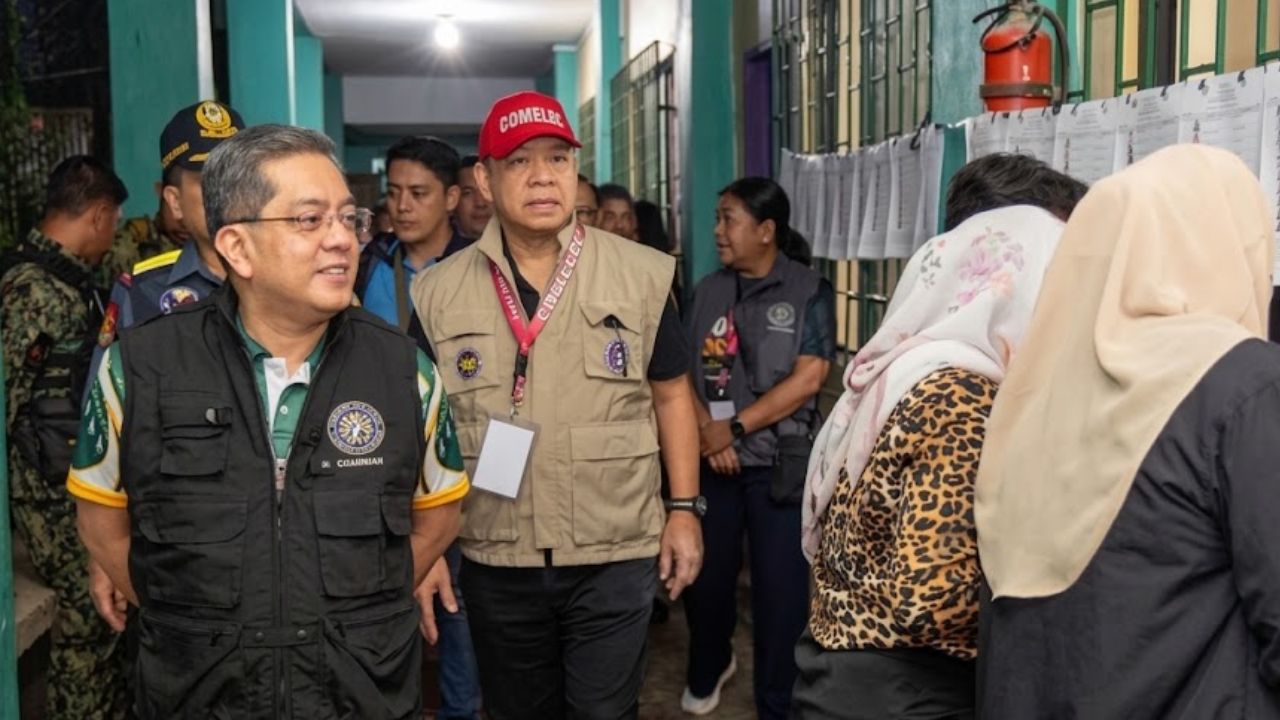
The Commission on Elections (COMELEC) has placed Cotabato City and Maluso, Basilan under its control following security and ballot-related incidents during the first Bangsamoro parliamentary elections on Monday, September 14.
The move came as violent incidents disrupted voting in Cotabato City, while authorities encountered pre-shaded or compromised ballots in Maluso. COMELEC subsequently took control of the two areas as the poll body worked with security forces to address the incidents and protect the integrity of the elections.
In Maluso, the discovery of the affected ballots prompted COMELEC to order replacement ballots so voting could proceed using uncompromised election materials.
The incidents have led to voting delays in some affected areas, but elections continued across much of the Bangsamoro Autonomous Region in Muslim Mindanao (BARMM).
The September 14 vote marks the first parliamentary election in BARMM, with nearly 2.4 million registered voters choosing representatives for the region’s 80-seat parliament. More than 20,000 security personnel were deployed across the region to help secure the polls.
The historic election is a key step in BARMM’s transition from an interim government to a parliament chosen by Bangsamoro voters.
