%201.svg)


MANILA — Philippine businesses turned sharply pessimistic about the economy in July as tensions in the Middle East, higher oil prices and persistent inflation weighed on confidence, according to the Bangko Sentral ng Pilipinas (BSP).
The BSP’s latest Business Expectations Survey showed the overall confidence index dropping to -20.3 in July from a neutral 0.0 in June. A negative index means pessimistic businesses outnumbered those with an optimistic outlook.
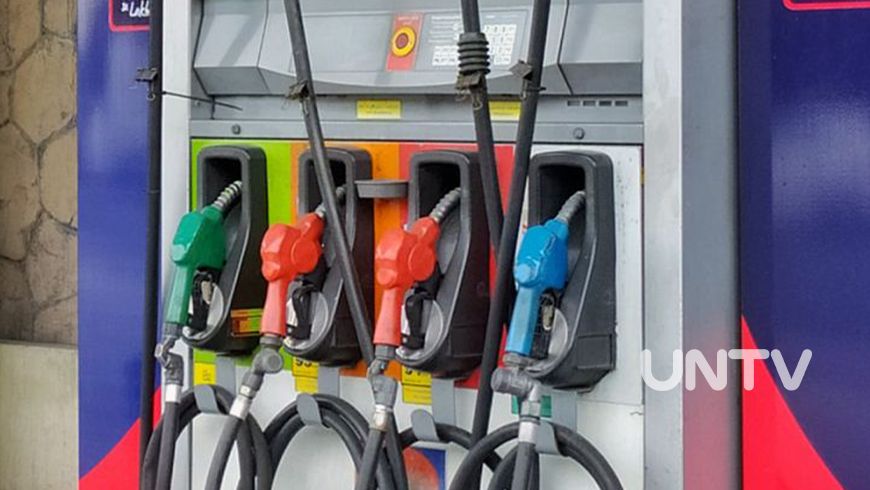
Among businesses that reported weaker sentiment, 19.8 percent cited renewed tensions in the Middle East, while 15.1 percent pointed to higher oil prices amid disruptions in fuel shipments through the Strait of Hormuz. Another 11.3 percent cited persistent inflation.
The weaker sentiment also extended to businesses’ expectations for the coming months. The confidence index for the next three months fell to 3.7 from 18.8, while the outlook for the next 12 months dropped to 29.4 from 42.4.
Despite the decline, businesses remained generally optimistic about their prospects over the next year, although fewer firms expected to hire additional workers. Companies also reported weaker business activity, tighter financial conditions and more difficult access to credit.
The July reading was also below the BSP’s published quarterly confidence readings of -5.3 in the third quarter of 2020 and -5.6 in the third quarter of 2021. The figures, however, are not directly comparable as the BSP conducted the survey quarterly during the pandemic and did not conduct one during the strict nationwide lockdown in the second quarter of 2020.
The decline in business confidence comes as concerns are also being raised over the Philippines’ ability to attract foreign capital.
Meanwhile, BDO Capital and Investment Corp. President Eduardo Francisco recently said foreign investors have increasingly overlooked the Philippines despite resilient earnings among local companies.
“Foreign investors are not really looking at the Philippines anymore. We’re so small. We’re really negligible as part of the overall index,” Francisco said.
He explained that the country’s relatively small weight in global investment benchmarks makes it easier for international fund managers to reduce their Philippine exposure and direct their money to other markets.
The BSP said it continues to monitor developments in the Middle East and their possible effects on business and consumer sentiment, spending and investment decisions.
The July survey covered 506 firms nationwide.