%201.svg)


MANILA – In the wake of the deadly school shooting in Tacloban City, calls have resurfaced to lower the age of criminal liability in the Philippines. But a human rights lawyer clarified Tuesday what the law actually says about the accountability of minors who commit crimes.
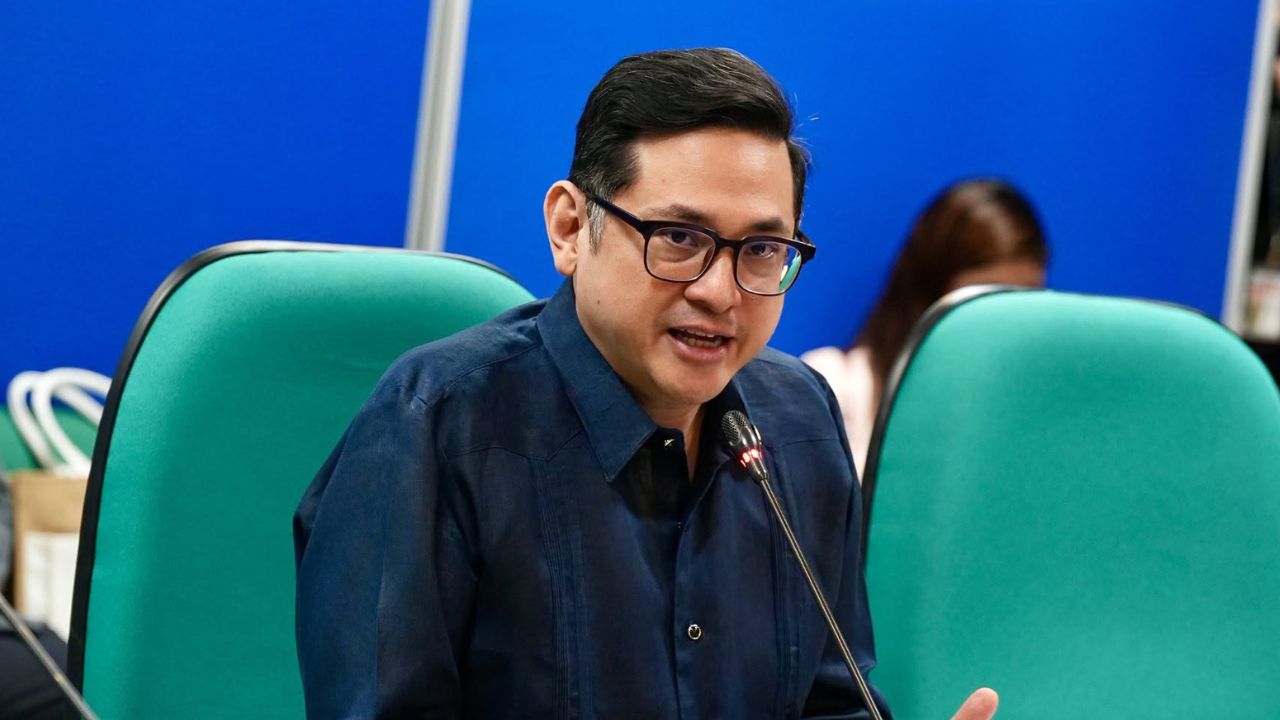
Human rights lawyer Atty. Edre Olalia said they are opposed to lowering the age of criminal liability, explaining that the principle behind the law is rooted in the limited understanding and maturity of children.
"Kahit na talagang napaka lungkot at karumaldumal yung nangyari, sa prinsipyong legal ay tutol kami sa pagbaba ng age, edad ng criminal liability. Kasi hindi lang naman ito ang dapat natin tingnan. Tingnan natin pangkalahatan. Kasi ang punto naman bakit may ang tawag dito, merong sukatan ng edad para panagutan ang isang menor de edad ay yung kakulangan pa sa pangkalahatan syempre. Kakulangan pa ng pag-unawa, pag-intindi at yung murang kaisipan sa mga bagay-bagay at sa mga pagkilos at behavior."
("Even though what happened is truly sad and horrific, on legal principle we are opposed to lowering the age of criminal liability. Because this is not the only thing we should look at. Let us look at the whole picture. The point behind having an age threshold for holding a minor accountable is the lack of full understanding, comprehension, and maturity in things, actions, and behavior.")
The incident has renewed calls for the amendment of Republic Act 9344, or the Juvenile Justice and Welfare Act, also known as the Pangilinan Law.
Under the current law, children aged 15 and below at the time a crime is committed have absolute exemption from criminal liability. This means they cannot be imprisoned regardless of the offense committed, including crimes such as murder or rape. Instead, they may be placed under an intervention program such as referral to the social welfare department.
"Kung criminal liability, 'pag 15 and below ka, nung iyong di umano kinommit yung offense, yung krimen. Exempt ka, wala kang criminal liability, hindi ka pwedeng ikulong, hindi ka pwedeng litisin, hindi ka pwedeng i-convict."
("On criminal liability, if you are 15 and below at the time you allegedly committed the offense, the crime — you are exempt, you have no criminal liability, you cannot be imprisoned, you cannot be tried, you cannot be convicted.")
Those above 15 but below 18 years old also have no criminal liability, unless it is proven that they acted with discernment — meaning a full understanding of the wrongful act and its consequences.
"Sa 15 above 18, ang exception ay wala rin dapat na criminal liability kung maliban lamang kung mayroong tinatawag na discernment o naiintindihan niyang lubos ang kanyang ginawa at ano ang epekto nito. Doon sa 15 and below, ang gagawin dyan hindi ikukulong o iku-convict kundi maraming mga pamamaraan. Pwedeng reformation, rehabilitation, or intervention or counseling."
("For those above 15 but below 18, the exception is that there should also be no criminal liability unless there is what is called discernment — that they fully understood what they did and its consequences. For those 15 and below, they will not be imprisoned or convicted but there are many approaches available — reformation, rehabilitation, intervention, or counseling.")
For those above 15 but below 18 where discernment is established, Olalia said a process called diversion applies, which involves programs and steps toward reforming the child, and proceedings that differ from those applied to adults.
"Doon naman sa 15 above, [below] 18, pwede rin yung mga nabanggit ko pero dagdag yan, dahil na kung merong discernment na tinatawag, ang tawag yan sa legal ay diversion. Ibig sabihin may mga programa, may mga hakbang kung paano marireforma yung bata at yung paglilitis ng 15 above 18 na hindi tulad ng paglilitis ng age o adult."
("For those above 15 but below 18, the same options I mentioned apply but in addition, if there is discernment, this is legally called diversion. This means there are programs and steps on how to reform the child, and the proceedings for those above 15 but below 18 are not the same as proceedings for adults.")
Olalia clarified that even without criminal liability, parents or relatives may still be held civilly liable for damages under their parental authority, particularly if negligence is established.
"Siyempre, yung kanyang mga magulang, pamilya. Ang pwedeng managot kasi humahalili sila. Meron silang parental authority na tinatawag at lalo na kung merong tinatawag na negligence. May mga bali-balita pa. Siyempre kailangan hintayin natin yung...lubos na investigasyon at na-established ang facts."
("Of course, the parents and family. They can be held accountable because they stand in place of the child. They have what is called parental authority, and especially if there is what is called negligence. There are still reports coming in. Of course we need to wait for a thorough investigation and for the facts to be established.")
He also noted that the owner of the firearm, especially if a police or military officer, may face administrative liability for negligence in securing the weapon.
The school may likewise face potential liability under substitute parental authority if it is proven that it failed to provide a safe environment or did not act on signs of bullying and violence.
Olalia said a holistic approach is the better solution — including stricter regulation of firearms and social media — to address the root causes of such tragedies rather than simply lowering the age of accountability. He also stressed that laws and government measures alone are not enough to discipline children, as parental guidance during their formative years remains the most important factor.