%201.svg)


Malacañang has expressed concern that the ongoing power struggle in the Senate, particularly the majority bloc's absence from plenary sessions, could jeopardize the passage of the Marcos administration's priority bills.
Palace Press Officer Undersecretary Claire Castro said the Palace is willing to work with whoever leads the Senate, as long as the administration's legislative priorities are passed. However, she warned that the current situation in the chamber could make that difficult.
"Sa ngayon alam naman natin kung ano iyong mga priority bills, hindi lang dalawa hindi lang isa, hindi lang tatlo, marami po. Pero kung ganito po ang nangyayari sa senado, mahihirapan po talaga, hindi lamang ang Pangulo, kung hindi ang taumbayan."
[We already know what the priority bills are — not just one, not just two, not just three, there are many. But if this is what is happening in the Senate, it will truly be difficult, not just for the President, but for the Filipino people.]
Castro said the majority bloc should not have abandoned their duties, noting that while accompanying Senator Jinggoy Estrada as a friend was understandable, it did not warrant setting aside their mandate.
"Hindi naman po kinakailangan na hindi magtrabaho kahapon, dahil maski na po ang paghatid at pagsama kay Senator Jinggoy Estrada, bilang kaibigan ay nararapat lamang, pero hindi po kinakailangan talikuran ang sariling mandato para lang sa ganitong klaseng isyu."
[It was not necessary to skip work yesterday. While accompanying Senator Jinggoy Estrada as a friend was appropriate, it was not necessary to abandon one's own mandate for this kind of issue.]
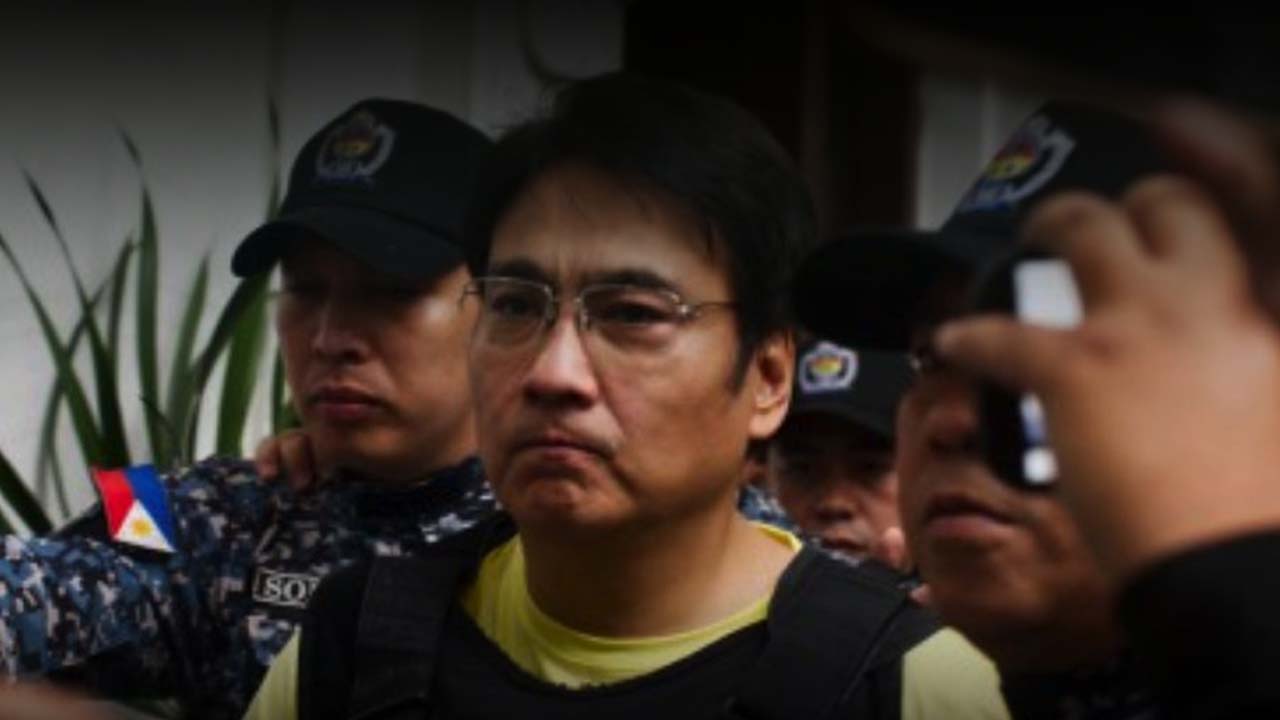
The majority bloc failed to attend the plenary session on Tuesday following Estrada's arrest. The minority bloc characterized the absence as a boycott.
The Palace also firmly denied that President Ferdinand Marcos Jr. had interfered in the Senate's affairs, insisting there was nothing wrong with the service of the arrest warrant against Estrada.
"Saan ba nakialam ang Pangulo? Tama lamang po na i-serve ang valid warrant of arrest. Ang ibig po ba niyang sabihin, kapag nagsisilbi po ng valid warrant of arrest sa senado sa mga ganitong klaseng crimes, ay dapat hindi isilbi? So, iyon ang tanong. So papaano magkakaroon ng pagtutulungan, kooperasyon ang bawat sangay ng gobyerno kung mayroong magmamataas, mayroong hindi tutupad sa batas at mayroong maghahari-harian."
[Where did the President interfere? It was only proper to serve a valid warrant of arrest. Does that mean that when a valid warrant of arrest is served in the Senate for these kinds of crimes, it should not be served? So that is the question. How can there be cooperation among the branches of government if someone acts superior, someone refuses to follow the law, and someone acts with impunity?]
Malacañang also backed the statement of Department of the Interior and Local Government Secretary Jonvic Remulla, who said Estrada's surrender was not voluntary.
"So matatawag po itong pag-aresto dahil hindi po boluntaryong pumunta si Senator Jinggoy Estrada mismo sa mga law enforcers, hindi pumunta sa CIDG, sa PNP o sa korte sa Sandiganbayan. So, tama po ang pananaw ni Secretary Jonvic na hindi po ito voluntary surrender, kung hindi pag-aresto."
[This can be called an arrest because Senator Jinggoy Estrada did not voluntarily go to law enforcers, did not go to the CIDG, the PNP, or the Sandiganbayan court. So Secretary Jonvic's view is correct — this was not a voluntary surrender, but an arrest.]












.png)



.png)
.png)