%201.svg)


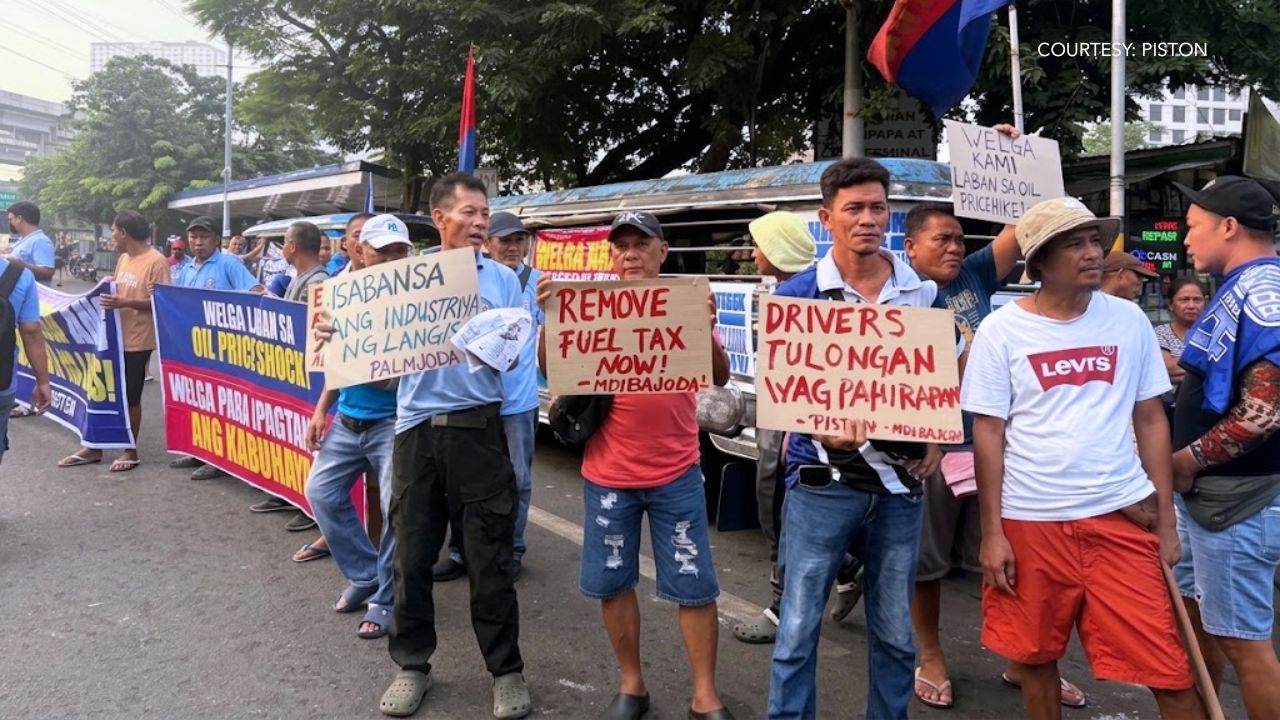
Labor groups have opposed a planned executive session for the substitute bill on the legislated wage hike, saying the move lacks transparency.
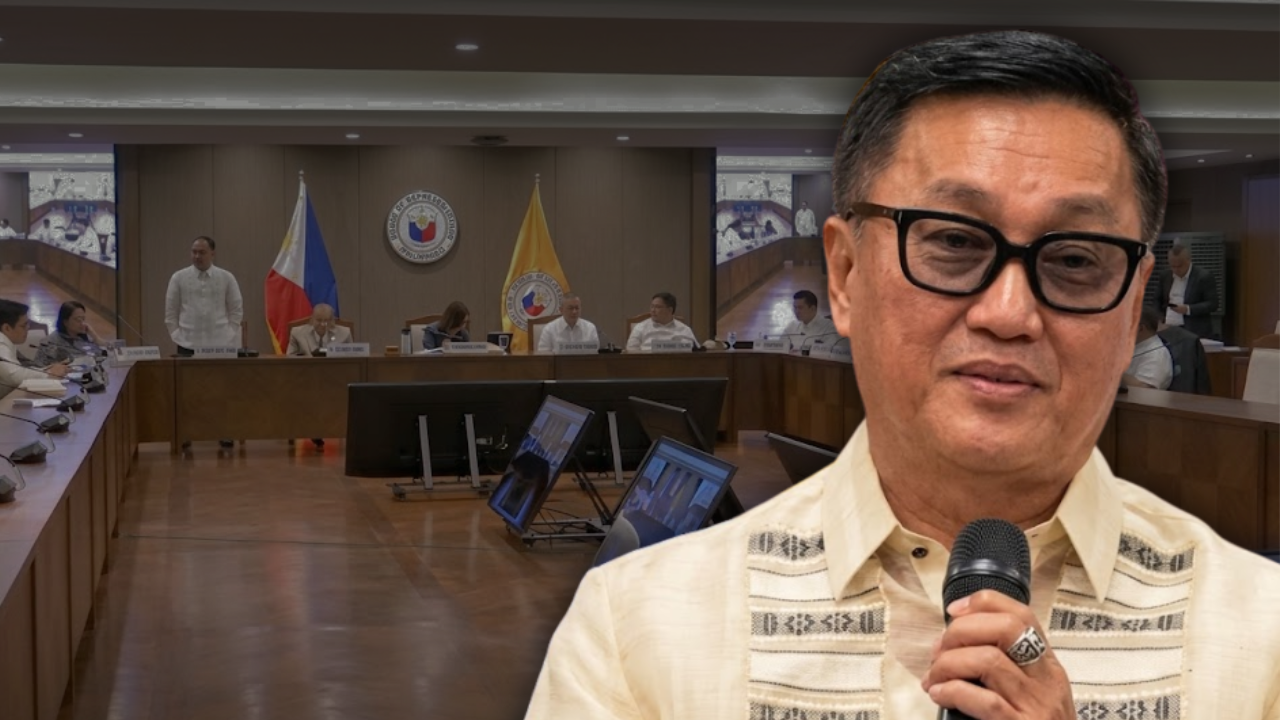
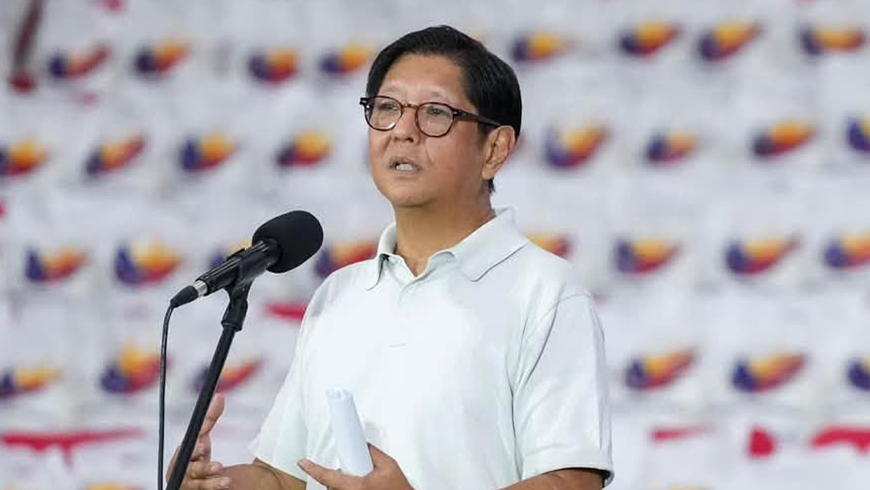
The House Committee on Labor and Employment approved a motion to convene an executive session for the substitute bill covering the pending measures on the legislated wage hike. This will take place after the State of the Nation Address (SONA) of President Ferdinand Marcos Jr. on July 27, 2026.
Several bills are currently pending in the House of Representatives seeking a wage increase for workers, including proposals ranging from a 100-peso to a 1,200-peso increase.
During the hearing, Rep. Johanne Monich Bautista, Senior Vice Chairperson of the House Committee on Labor and Employment and representative of TRABAHO Partylist, moved to convene the executive session:
"Mr. Chair, may I move to convene an executive session after the SONA to decide on the substitute bill for these proposed measures on legislated wage hike."
Rep. Ramon Jolo Revilla, Chairperson of the House Committee on Labor and Employment and representative of Cavite's 1st District, approved the motion:
"There's a motion to convene an executive session to decide on substitute bill on wage. Any objection? The motion is seconded, the motion is hereby approved."
President of Bukluran ng Manggagawang Pilipino, Atty. Luke Espiritu opposed the move, saying it lacks transparency.
"Na gagawin lang na parang pribado, na hindi open sa publiko na pinasa kanina ng house committee on labor, tingin ko yan ay walang ka-transpa-transparency. Ang ayaw nating mangyari ay parang tulad sa bill ng anti-dynasty law. Na ang dami-daming bills na anti-dynasty law na mas maganda, tapos maraming versions na mas deserving na ipasa, tapos ito ay ni-reduce lamang sa so-called consolidated version na yan ay version lamang ng iisa, yung bill na pabor sa mga dinastiya. Yan ang ayaw nating mangyari at maging resulta ng wage bills na ito."
(For this to be done privately, not open to the public, what was passed earlier by the house committee on labor — I think that lacks transparency. What we don't want to happen is similar to what happened with the anti-dynasty law bill. There were so many anti-dynasty law bills that were better, and many versions that were more deserving of passage, but it was just reduced to a so-called consolidated version, which turned out to be just one version — the bill favorable to political dynasties. That is what we don't want to happen and become the result of these wage bills.)
Meanwhile, some legislators said the process should be made public.
"Ang position namin is mas maganda nga kung public dun sa komite mismo para kung mayroong mga oposisyon dito, una yung mga business at stakeholders, publicly din malaman ng mga manggagawa, malaman, so better mapag-usapan publicly." Rep. Eli San Fernando of Kamanggagawa Partylist said.
(Our position is that it would be better if it were public at the committee level itself, so that if there is opposition to this — first from businesses and stakeholders — the workers would also know publicly, so it's better discussed publicly.)
"In the end, ipe-present pa rin yan sa committee. Kaya hindi pa rin makakalampas ang bill na ito at di maaprubahan kung di dadalhin sa komite, unfortunately executive session pa yung ginawang paraan pero in the end aabot din ito sa komite." Rep. Antonio Tinio of ACT Teachers Partylist stated.
(In the end, it will still be presented to the committee. So this bill still cannot pass and be approved without being brought to the committee — unfortunately, an executive session was the method used, but in the end, it will still reach the committee.)
The groups also challenged President Ferdinand Marcos Jr. to certify as urgent the pending bills seeking a wage increase for workers.