


%201.svg)


Emergency Hotline:
(+63) 2 911 – 8688


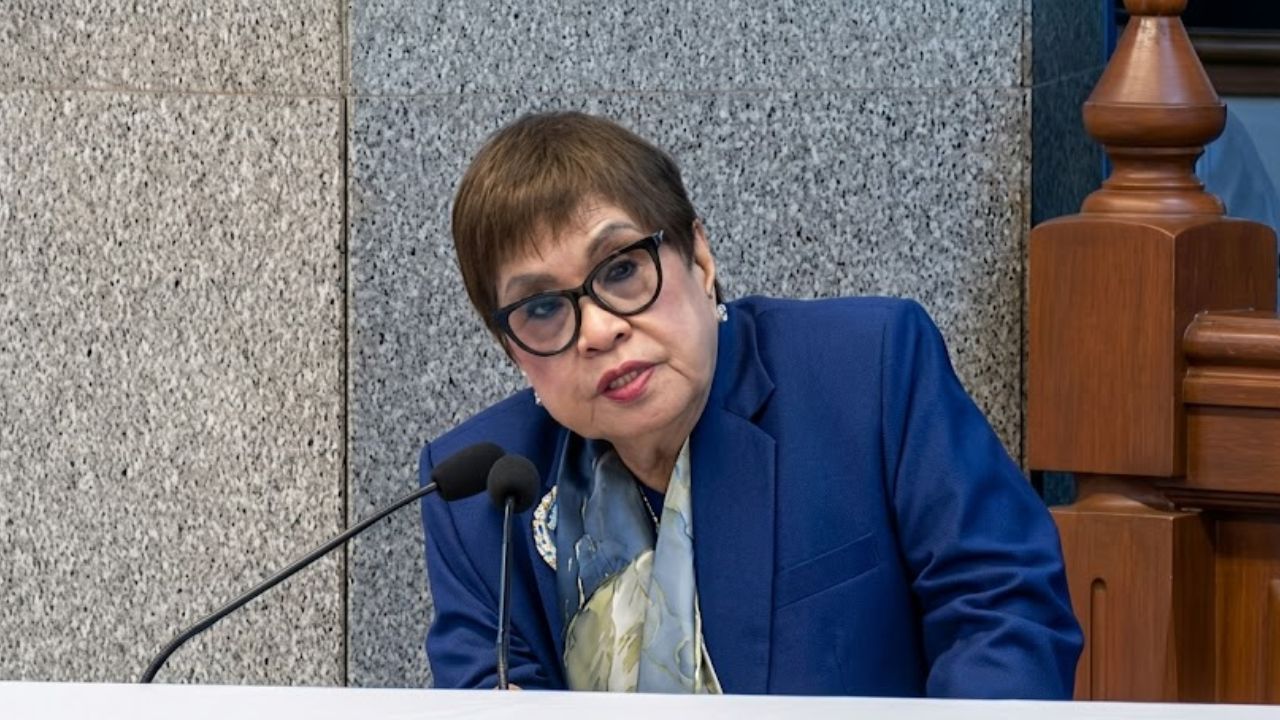

PASAY CITY—A witty exchange over comic book logic erupted during the impeachment trial of Vice President Sara Duterte after prosecution counsel Lorna Kapunan invoked the Man of Steel to question the physical limits of a special disbursing officer (SDO) handling confidential funds.
Kapunan pressed Commission on Audit (COA) auditor Xylene del Campo regarding multiple acknowledgment receipts bearing identical dates across vastly different locations, firing off: "Kung hindi man Superman ang isang [special disbursing officer], kaya ba niyang puntahan, sa palagay mo, lahat na ito?"
Defense counsel Kristine Ferrer immediately objected to stop the comparison in its tracks. "The question is speculative, Your Honor," Ferrer countered.
Ferrer further added, "It’s a hypothetical question," insisting that the prosecution was steering the cross-examination into unfounded guesswork rather than sticking to verifiable facts.
Kapunan countered with a swift defense of her analogy to justify how impossible the officer’s alleged travel itinerary appeared.
"What’s speculative about Superman? He can fly anywhere he wants to," Kapunan declared, doubling down on her point that only someone with supernatural abilities could physically be present in several locations at once on the very same date.
Presiding Officer Francis Escudero directed the prosecution counsel to wrap up the superhero reference, telling her directly, "Counsel, move on. We get your point."
Kapunan agreed to shift her line of questioning, but not before making a final plea to ensure her colorful comparison remained officially documented in the court record.
"I will move on... Although can we ask that the Superman remain on record, Your Honor?" Kapunan requested, to which Presiding Officer Escudero reassured her, "We did not strike it off, counsel."
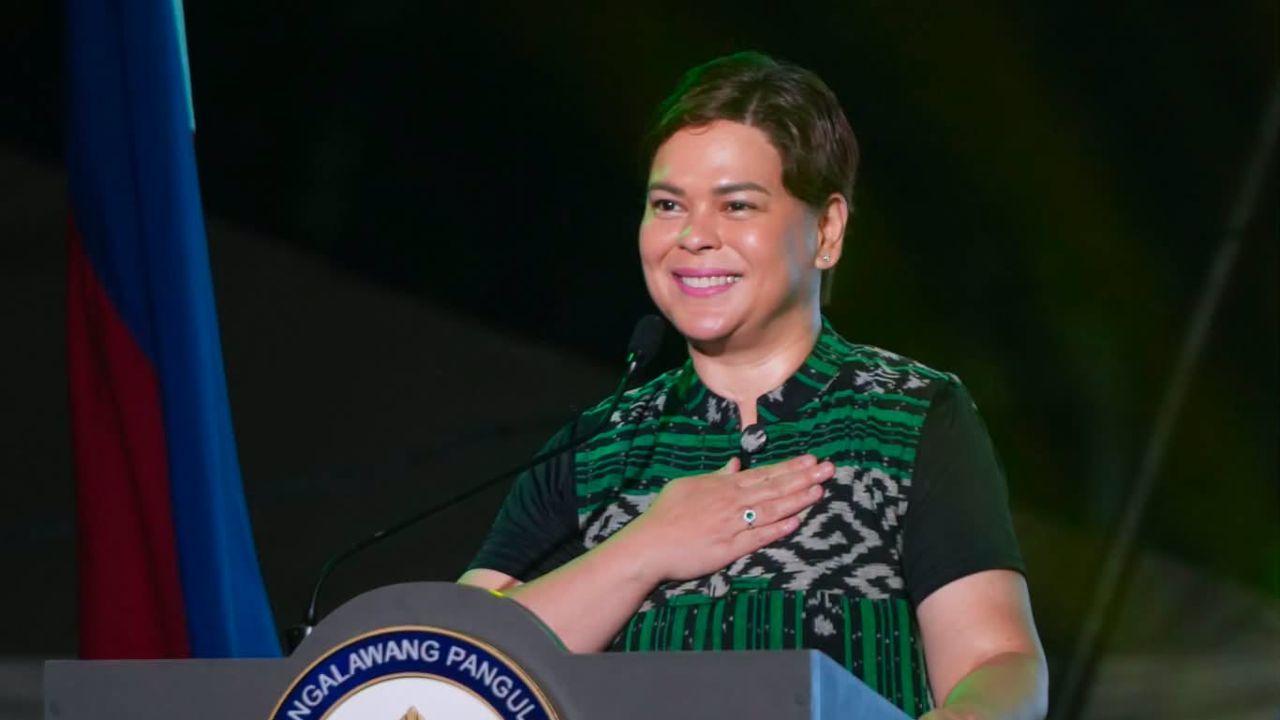
PASAY CITY—Questions filled the court room during the day 14 impeachment trial over Vice President Sara Duterte's confidential funds as several familiar surnames appeared on cash receipts.
Documents presented in court listed individuals named Beth Revilla, Clarisse Hontiveros, Jose Diokno Jr., and Diane Maple Lapid as payees.
The receipts showed payouts ranging from ₱50,000 to ₱500,000, allegedly spent on "purchase of information," "provision of medical and food aid," and "purchase of supplies."
Private prosecutor Atty. Lorna Kapunan quickly called attention to the familiar names while examining the documents on August 11.
“Kamag-anak ata ‘to ni senator Bong Revilla… Kamag-anak naman ‘to ni Senator Risa Hontiveros… Kamag-anak ba ‘to ni public prosecutor [Chel Diokno]? Kamag-anak naman ni Senator Lapid,” Kapunan jokingly remarked, raising doubts over the legitimacy of the transactions.
The state auditor inspecting the expenses confirmed that these specific payments failed basic audit standards.
Xylene May del Campo, supervising auditor from the Intelligence and Confidential Funds Audit Office, pointed out the lack of clear proof that the money actually went to its intended purpose.
“Kasama po ito dun sa disallowed kasi based on this acknowledgement receipt, hindi ko po ascertain if this really nabigay for purchase,” del Campo explained to the body.
Prosecutors are pushing to examine whether these payments went to real individuals or if high-profile names were simply used on paper to justify spending millions in public funds.
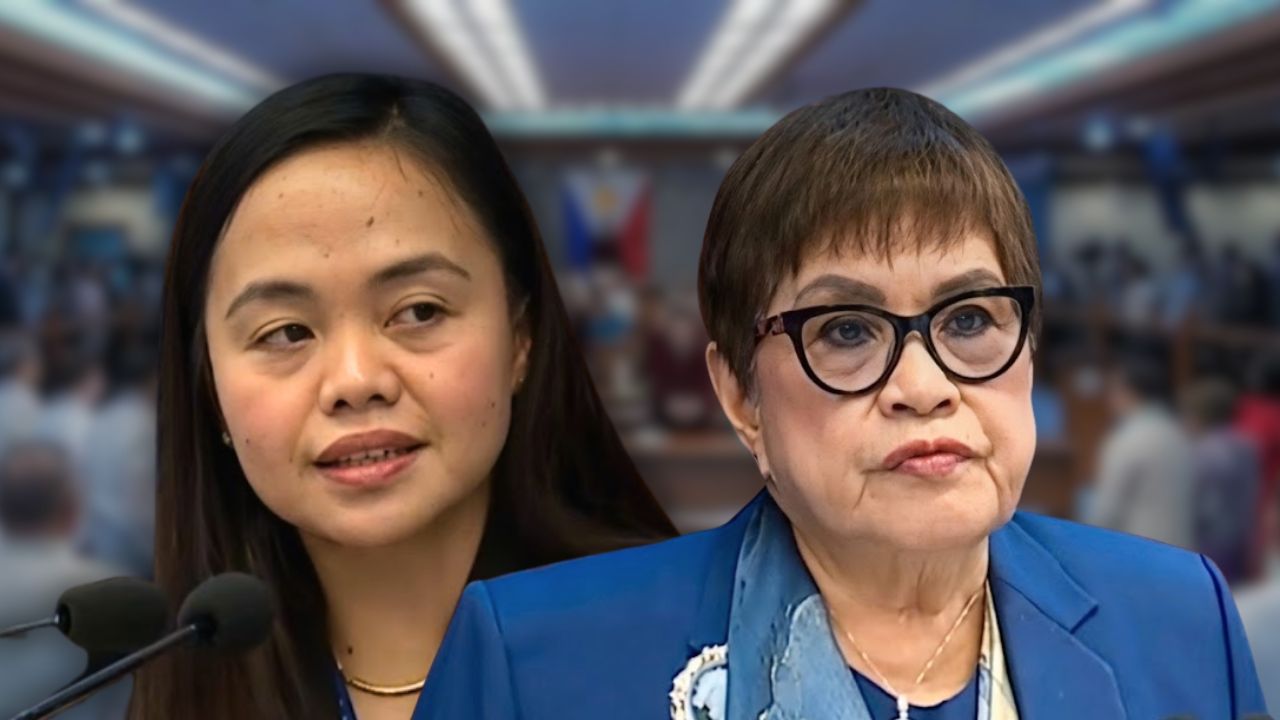
PASAY CITY—Prosecution counsel Attorney Lorna Kapunan and defense counsel Attorney Kristine Ferrer clashed in court on August 11, 2026, over the presentation of accomplishment reports as trial exhibits.
Both parties argued over the proper handling of documents and the efficiency of the ongoing proceedings involving Vice President Sara Duterte's camp.
Seeking to speed up the process, Kapunan suggested that the court use the defense team's copy of the documents to save precious time.
"We would’ve saved this honorable court considerable time if they just agreed to use their documents…We are amenable to use the defense exhibits," Atty. Kapunan stated.
However, Atty. Ferrer firmly rejected the proposal, arguing that switching documents does nothing to fix what she called an unqualified prosecution witness.
Ferrer argued, saying, "It doesn’t matter if they will use our own exhibits. It doesn’t even make their witness competent that is why we are here in open court to establish the competence. Kahit pa gamitin natin ‘yong exhibit namin, kung hindi naman competent ‘yong witness n’yo to identify those exhibits, it will still be a waste of time… useless."
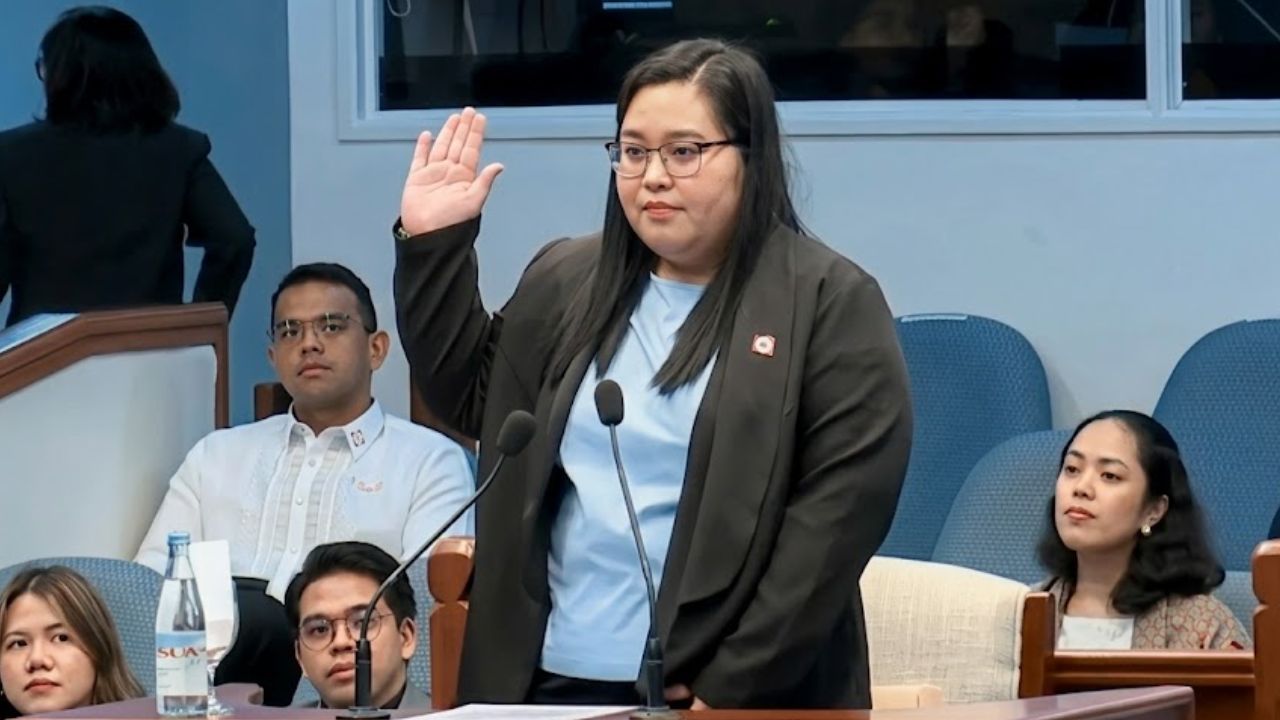
PASAY CITY—Commission on Audit (COA) auditor Xylene del Campo took the witness stand on August 11, 2026 to deliver key testimony on Vice President Sara Duterte’s alleged misuse of confidential funds.
Prosecution counsel Atty. Lorna Kapunan led the direct examination, focusing squarely on the first article of impeachment as the House prosecution panel builds its case surrounding the handling of millions in public funds.
Establishing her credibility before the impeachment court, Del Campo detailed nearly 12 years of public service with COA since joining the agency on August 26, 2014.
She highlighted her extensive background in state oversight, having conducted post-audits for more than 20 national government agencies, over 50 local government units, and five to 10 government-owned and controlled corporations (GOCCs).
Crucial to her testimony was her direct role in reviewing the financial responses submitted by the Office of the Vice President (OVP).
Del Campo evaluated the OVP’s submission regarding the Notice of Suspension for the period covering December 21 to 31, 2022, as well as its responses to Audit Observation Memoranda (AOM) spanning the first three quarters of 2023.
Del Campo also scrutinized the Department of Education's (DepEd) compliance under Duterte's tenure.
She confirmed evaluating DepEd's formal responses to two separate AOMs covering the first to third quarters of 2023, placing her audit findings at the center of the ongoing impeachment proceedings.
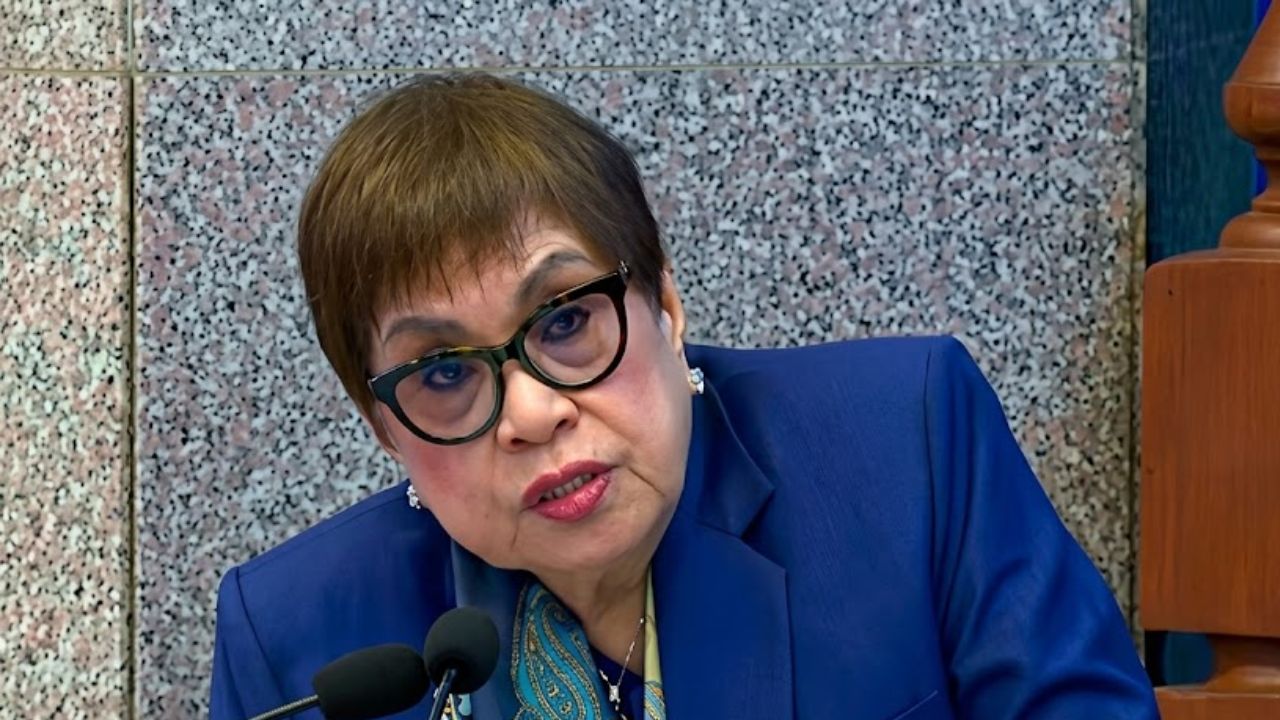
PASAY CITY—A brief moment of lighthearted banter broke the tension on Day 14 of Vice President Sara Duterte’s impeachment trial after prosecution counsel Atty. Lorna Kapunan complained that the defense team stood them up on pre-trial document comparisons.
Raising a formal manifestation before the court, Kapunan expressed frustration over the defense panel's failure to coordinate, candidly declaring, "Na-indian po kami."
Kapunan explained that the defense did not respond to their text messages proposing to meet last Thursday or Friday to compare documents and marked evidence.
According to Kapunan, the defense only replied at 5:38 p.m. on Thursday to say they were available on August 14—the very day of the trial.
"Napakalinaw naman sa directive ng presiding officer na mag-agree on a date on Thursday or Friday of last week. August 14 what good will that do us? The hearing is today," Kapunan stressed.
She described the defense’s claim that the court only instructed them to agree on a date generally as "more disturbing," calling out the move directly by stating, "That is bad faith."
Presiding Officer Francis Escudero quickly stepped in, redefining the prosecution’s grievance with modern slang that drew smiles in the courtroom.
Correcting Kapunan’s modern vocabulary, Escudero playfully countered: "Hindi ka in-Indian, baka ghinost ka, kasi di ka sinagot. Pero di ka inindan, wala namang napag-usapang date pa eh."
Kapunan immediately offered a quick rebuttal, asking, "In-ignore?" but Escudero humorously held his ground, insisting that the prosecution had simply been ghosted.
Shifting back to official proceedings, Escudero stepped in to resolve the deadlock directly by ordering the counsels for the respondent to furnish the impeachment court with their copies of the marked pre-trial evidence.
He explained that the document comparison could be handled by the court itself or by the senator-judges, bypassing the need for further panel-to-panel coordination.
Defense lawyer Atty. Kristine Ferrer promptly confirmed that the defense panel will comply with the court's directive.
Kapunan noted that the defense's reluctance was "not new," pointing out similar friction during the pre-trial conference when they refused to stipulate over document cover pages.
Despite the underlying dispute over trial preparations, Escudero’s quick wit provided a memorable, lighter interlude in the ongoing legal battle.
