


%201.svg)


Emergency Hotline:
(+63) 2 911 – 8688


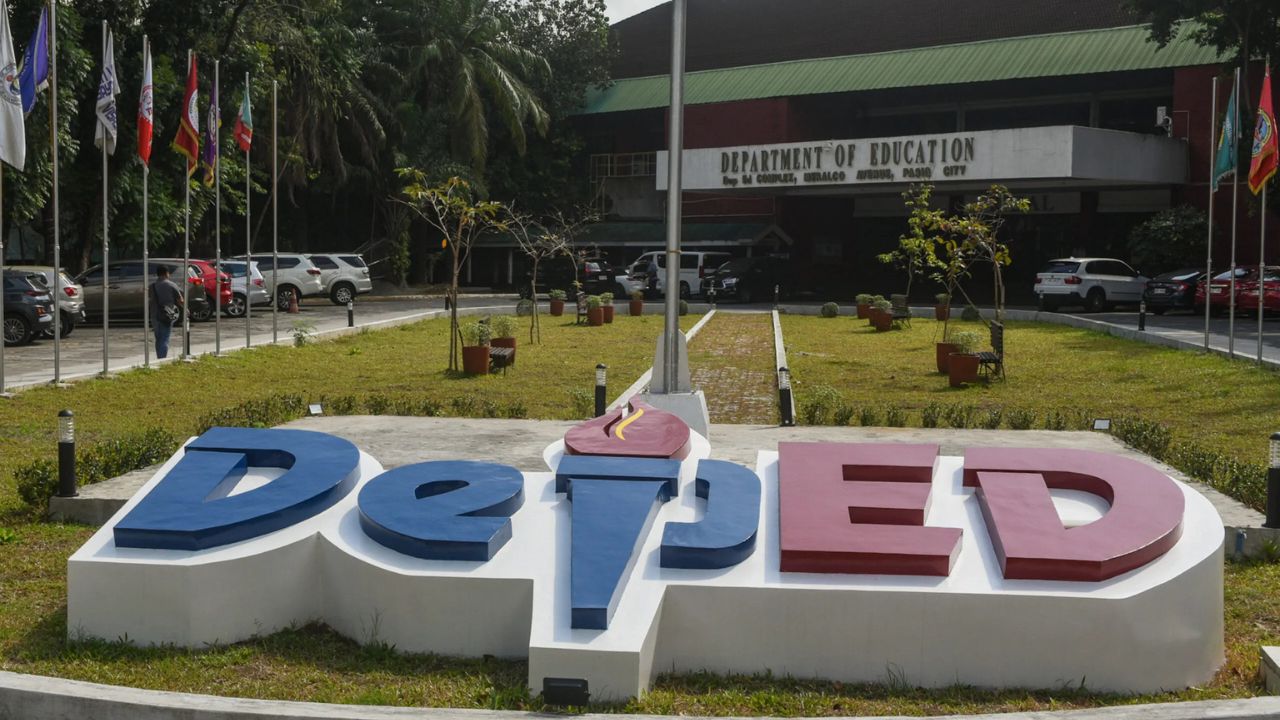

The Department of Education (DepEd) and its attached agencies are proposing a ₱975.96-billion budget for 2027, according to a presentation by DepEd Secretary Sonny Angara during a budget hearing.
The proposed allocation remains the largest budget among all government agencies for 2027.
However, according to the Secretary, this is ₱38.35 billion, or 3.88%, lower than its ₱1.015-trillion budget under the 2026 General Appropriations Act. But it is higher when compared to the ₱928.52 billion in the 2026 National Expenditure Program.
The department highlighted key concerns, including funds for teachers and personnel, classroom construction and repairs, and learning materials.
Under the proposal, ₱17.31 billion is allocated for the construction of 4,945 new classrooms, while ₱17.33 billion is for the repairs of 11,140 classrooms.
Additionally, ₱12.9 billion is allocated to fund the career progression of 135,000 DepEd personnel, while ₱2.4 billion will be used for laptops for 50,337 teachers.
DepEd will also allocate ₱11.43 billion to fund hot meals for kindergarten pupils and undernourished learners and ₱38.12 billion for vouchers and subsidies.
The budget covers programs aimed at enhancing student competencies, strengthening educational quality, addressing basic facility requirements, improving infrastructure, professional growth for educators, improving learners’ nutrition, and expanding access to quality education across the country.
With reports from Mia Alonzo
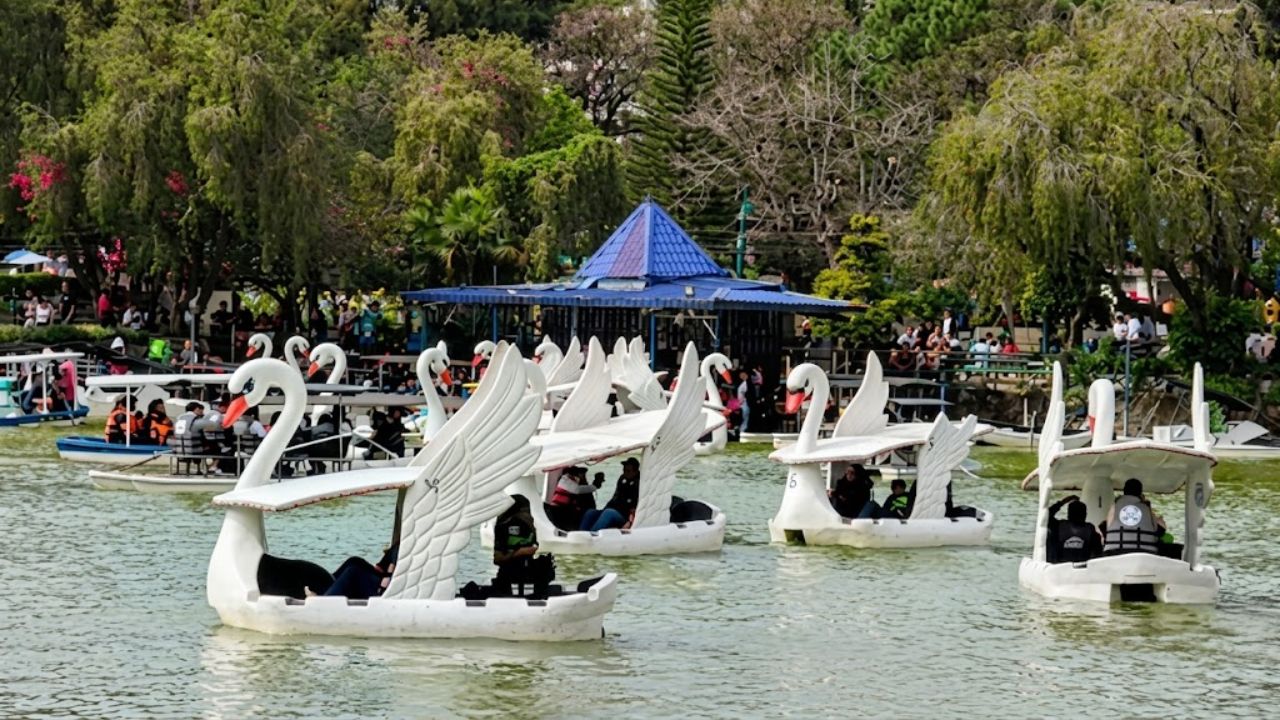
BAGUIO, Philippines – City officials summoned the boat concessionaires in Burnham Lake to a meeting following the sudden hike in boat rental fees – from 250 to 450.
In response, the city LGU issued an order to all concessionaires to charge only ₱250 per boat for a 30-minute ride.
“Burnham Park boat concessionaires are authorized to charge only the existing rate of ₱250 per boat for a 30-minute ride, regardless of boat size,” according to Baguio City PIO
According to the City Environment and Parks Management Office (CEPMO), any rate increase must undergo the approval of the city council.
“Diwas reminded the concessionaires that no rate increase has yet been authorized, as this still requires approval of the city council,” according to Baguio City PIO
The CEPMO explains that there is an earlier agreement allowing the potential rental adjustments, but that depends on the upgrade and is still necessary to undergo city council’s approval.
“There was an earlier agreement for rental fee adjustment, but this is on condition that they will comply with the boat upgrading requirement and secure the city council’s approval,” according to Baguio City PIO
Out of the nine boat concessionaires, only two have complied with the boat upgrading requirement.
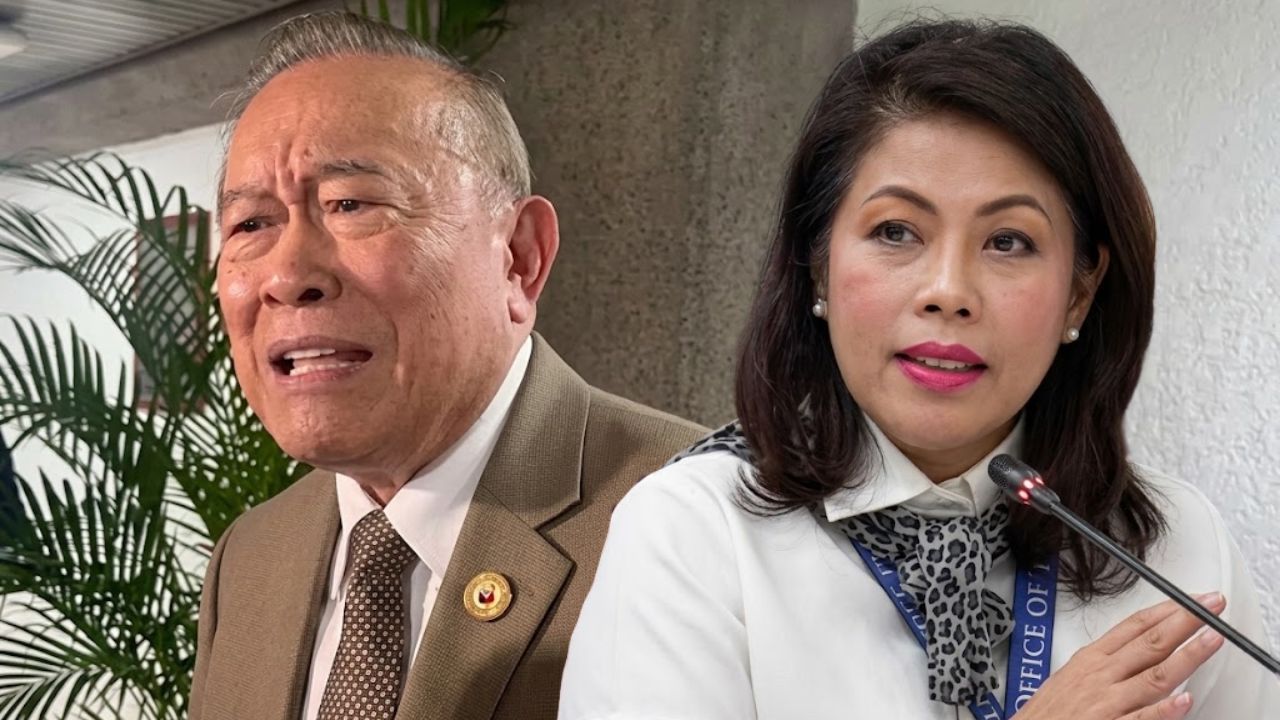
The Office of the Vice President (OVP) did not request confidential funds in the 2027 proposed budget. House Committee on Appropriations Vice Chairperson and Palawan 2nd District Rep. Jose Alvarez confirmed this after the committee discussed the 2027 proposed budget.
The OVP seeks a P785.2 million budget for the next year. This is 11.7% lower than its current P889-million allocation.
According to the OVP, the proposed budget is sufficient to execute its public programs and services, and cover operational expenses.
2027 OVP Budget Breakdown:
P561.6 million - Maintenance and Other Operating Expenses (MOOE)
P235.7 million - Personnel Services
P3.3 million - Capital Outlay
Meanwhile, during the interpellation, lawmakers questioned the OVP on the Vice President's position on national issues, including the Pax Silica.
OVP Chief of Staff Atty. Zuleika Lopez stated that the Vice President has not yet issued a comment on the project.
Hence, Atty. Lopez assured that the concerns raised by lawmakers would be relayed to Vice President Sara Duterte.
With reports from Evan Alvarez
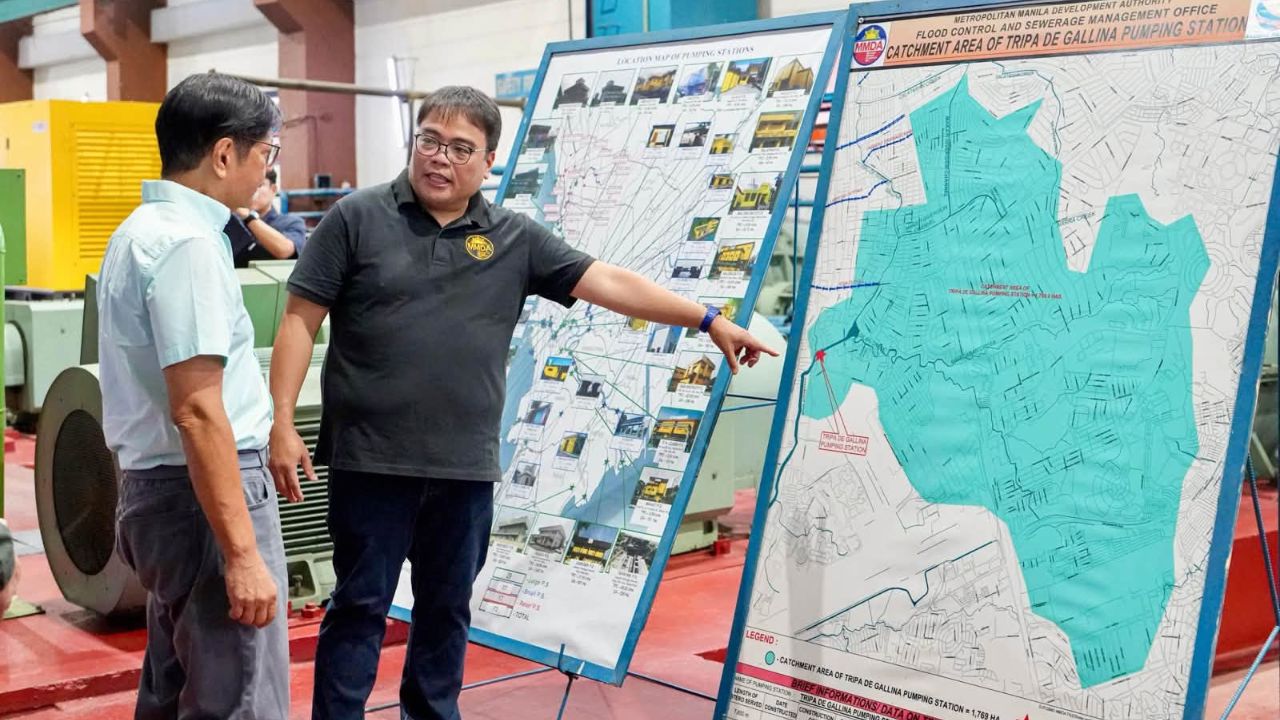
The Metropolitan Manila Development Authority (MMDA) collaborated with Haskoning, an international consulting engineering company, to identify viable locations for rain catchments across Metro Manila to mitigate flooding.
According to MMDA Chairman Atty. Romado Artes, the solution that may help to mitigate flooding during heavy rains is to establish a sponge city or a nature-based solution.
“With the advent po ng climate change, extreme weather conditions, heavy downpour or yung malalakas talaga na buhos ng ulan, hindi na dapat i-control yung tubig; hindi na dapat labanan, kundi dapat po ay i-manage. At iyan po yung purpose ng sponge city and nature-based solution,” he said
[“With the advent of climate change, extreme weather conditions, heavy downpours, we should not just control the water; we should no longer fight, but manage, and that is the purpose of sponge city and nature-based solution.”]
According to Atty. Artes, there are 39 potential sites for rain catchment installations across Metro Manila, and each cities in Metro Manila have at least two to three prospective locations to install the facility.
The MMDA has also designated key priority sites targeted to be completed by mid-2027, including: Miriam College Openfield, Camp Aguinaldo, Rajah Sulayman Park, Remedios Circle, and UP Sunken Garden
“Ang principle po niyan, i-hold muna yung tubig pansamantala sa source nila para po hindi ma-overwhelm yung atin pong mga drainage system, yung atin pong river system at ating mga estero,” Atty. Artes said
[“The principle there is to temporarily hold water at the source to prevent overwhelming our drainage systems, river system, and waterways.”]
The MMDA aims to complete all 39 rain catchments by the end of 2027, and the anticipated budget of 200 million USD will come from the Asian Infrastructure Investment Bank.
However, Atty. Artes clarified that the agency cannot guarantee a completely flood-free region due to worsening rainfall volume.
“We cannot guarantee flood-free Metro Manila because nakita niyo naman po 'yung mga rainfall events natin na palakas nang palakas,” Atty. Artes said
Yet, the chairman assured the public that the project will effectively mitigate the floods.
“Pero what we can assure you is ito pong mga projects na to will be efficient in mitigating yung flood, may epekto at hindi po masasayang yung pera ng tao,” he said
[“What we can assure you is that these projects will be efficient in mitigating floods, have effects, and will not waste public funds.”]
With reports from JP Nuñez
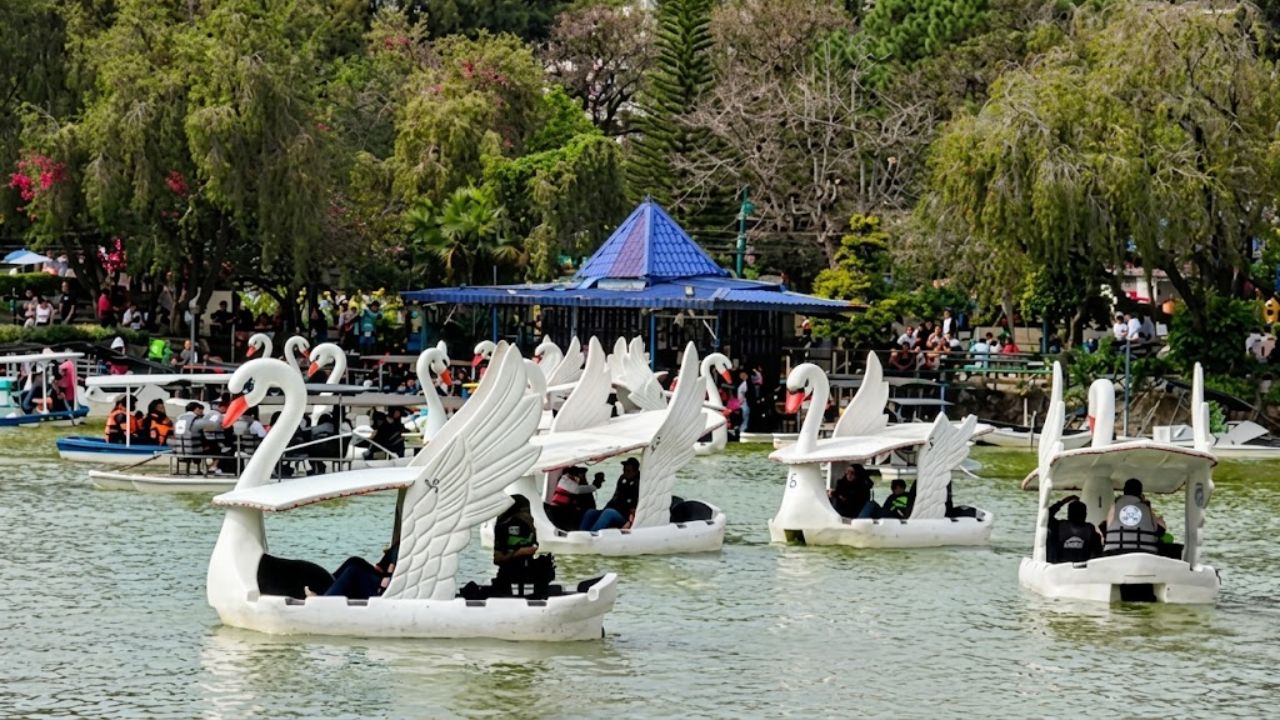
BAGUIO CITY, PHILIPPINES - City officials called the boat concessionaires in Burnham Lake to a meeting following the sudden hike in boat rental fees – from 250 to 450.
In response, the city LGU issued an order to all concessionaires to charge only ₱250 per boat for a 30-minute ride.
“Burnham Park boat concessionaires are authorized to charge only the existing rate of ₱250 per boat for a 30-minute ride, regardless of boat size,” according to Baguio City PIO
According to the City Environment and Parks Management Office (CEPMO), any rate increase must undergo the approval of the city council.
“Diwas reminded the concessionaires that no rate increase has yet been authorized, as this still requires approval of the city council,” according to Baguio City PIO
The CEPMO explains that there is an earlier agreement allowing the potential rental adjustments, but that depends on the upgrade and is still necessary to undergo city council’s approval.
“There was an earlier agreement for rental fee adjustment, but this is on condition that they will comply with the boat upgrading requirement and securing of the city council’s approval,” according to Baguio City PIO
Out of the nine boat concessionaires, only two have complied with the boat upgrading requirement.
With reports from Grace Doctolero
