


%201.svg)


Emergency Hotline:
(+63) 2 911 – 8688


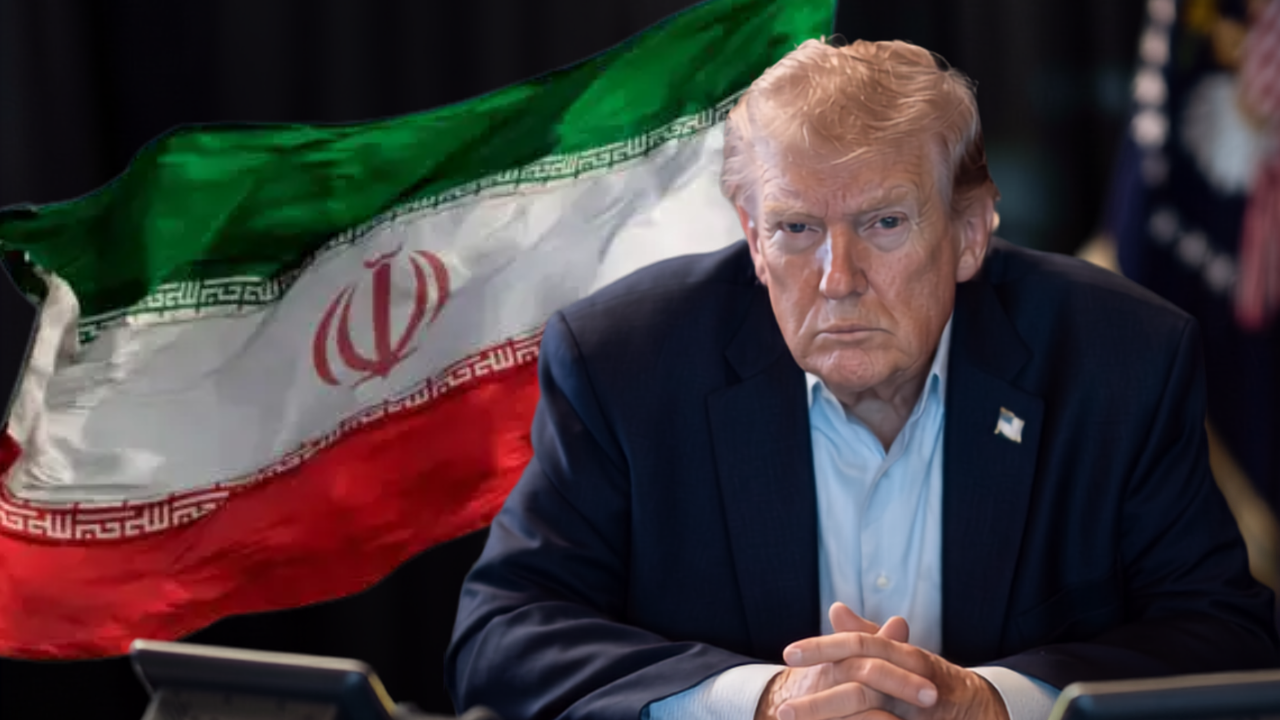

US President Donald Trump has called the upcoming talks between the United States and Iran the country's last chance to reach an agreement and avoid another large-scale attack.
According to Trump, negotiations are expected to begin within a day or two, focusing on the reopening of the Strait of Hormuz and Iran addressing Washington's concerns over its nuclear program.
The US president said the first phase of the agreement is the reopening of the Strait of Hormuz, while the second phase is the complete denuclearization of Iran.
Trump explained that he postponed the large-scale attack that had been planned against Iran after receiving appeals from Saudi Arabia, Qatar, and the United Arab Emirates to give diplomacy more room.
He added that the US had been prepared to carry out what he described as the biggest attack since World War 2, but he decided to cancel it because of the hope that an agreement could still be reached.
However, Trump warned Iran that his patience has limits and insisted that Iran must take advantage of this opportunity to avoid further escalation of the conflict.
In his statement, US President Donald Trump revealed that the talks are taking place at Iran's own request, with backing from Saudi Arabia, the United Arab Emirates, and Qatar, along with appeals from several other countries, all pushing for Iran to be given a last chance to sign a good agreement.
"We said we are talking, and right now we are talking at the request of Iran backed by Saudi Arabia backed by UAE and asked by Qatar in particular but many others, many countries called. They all wanted to give this a last chance. This is not something that if it doesn't happen — this is the last chance to sign a good document."

Washington, D.C – Alex Eala made history as the first Filipino to win a WTA Tour singles title.
The 21-year-old defeated world No. 3 Jessica Pegula of the United States, 4-6, 6-4, 6-0, in the final of the 2026 Mubadala DC Open in Washington, D.C.
The match was delayed several times because of thunderstorms and had to be completed over two days. Play was suspended Sunday night, with Pegula ahead in the match, before resuming Monday.
Eala lost the opening set and later trailed 4-3 in the second. She then won nine consecutive games to take the second set and finish the final set without allowing Pegula to win a game.
Before reaching the championship match, Eala defeated several prominent players, including defending champion Leylah Fernandez, second seed Elina Svitolina, and four-time Grand Slam champion Naomi Osaka.
The victory gives Eala her first singles championship at the WTA Tour level. She previously won the WTA 125 Guadalajara Open in September 2025, but the DC Open is a higher-level tournament on the main WTA Tour.
The title is also expected to move Eala into the world’s top 20 for the first time, marking another career milestone for the Filipina athlete.
Ahead of the final, Eala said she needed to trust herself and remember that she had earned her place in the championship match.
That confidence helped her secure a historic victory, not only for her career, but also for Philippine tennis.
We’re so proud of you, Alex! Congratulations! 🇵🇭🏆
.png)
For nineteen years, Good Morning Kuya (GMK) has opened the day for countless Filipino households, and this Monday, the long-running morning show proved it still has room to grow.
The GMK program begins at 6:30 AM with Kuya Daniel Razon greeting the Kasangbahays, a fitting start for a program that has built its identity on both public service and everyday news and talk.
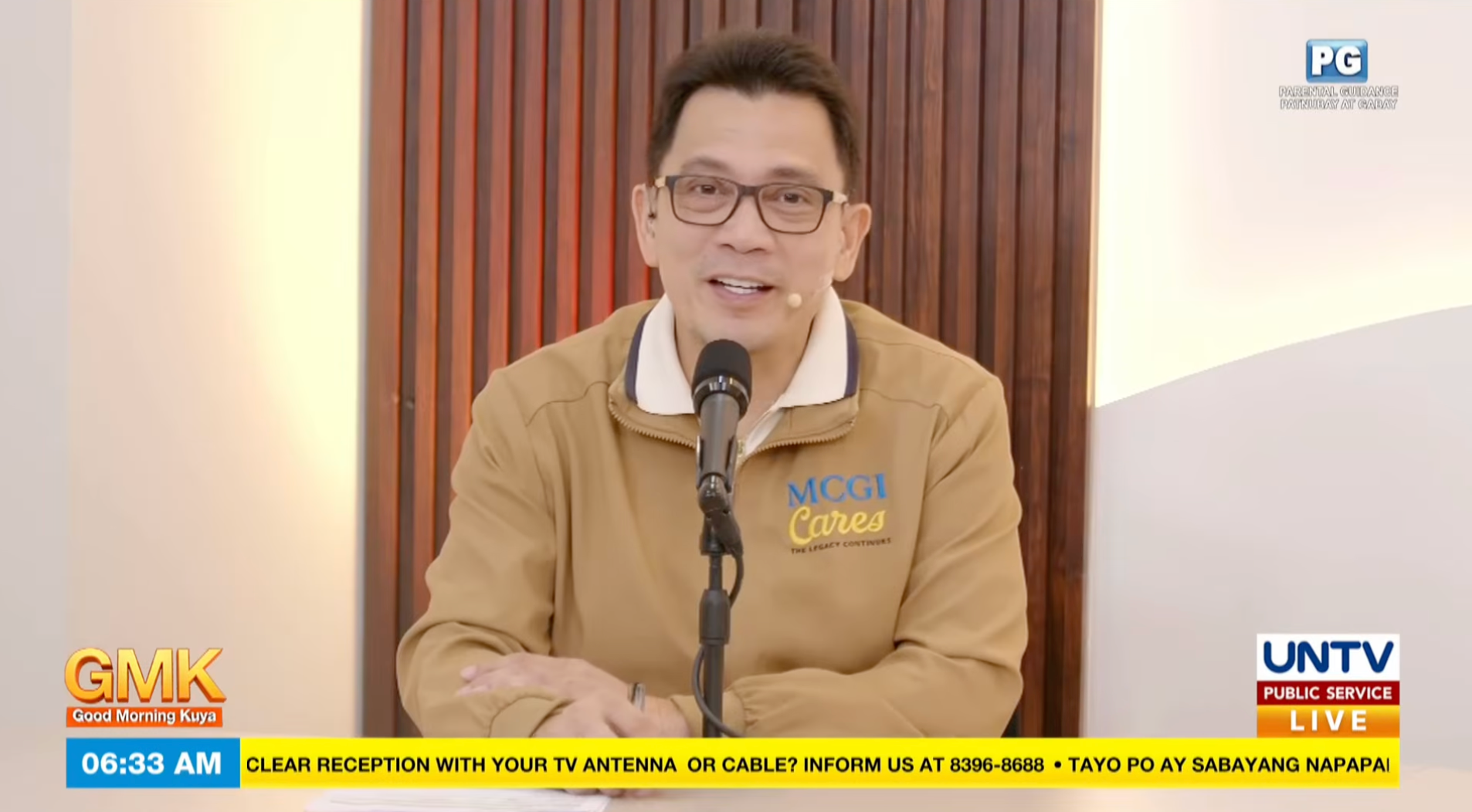
Joining Kuya Daniel in the new format were familiar faces Ayra Mariano, Joshua Dionisio, Ian Miranda, Celine Ang, and Tini Balanon — a lineup that has anchored GMK's mornings for the past 4 years.

The show also marked the return of Leslie Longboen to television, with Kuya Daniel welcoming her into the GMK family.
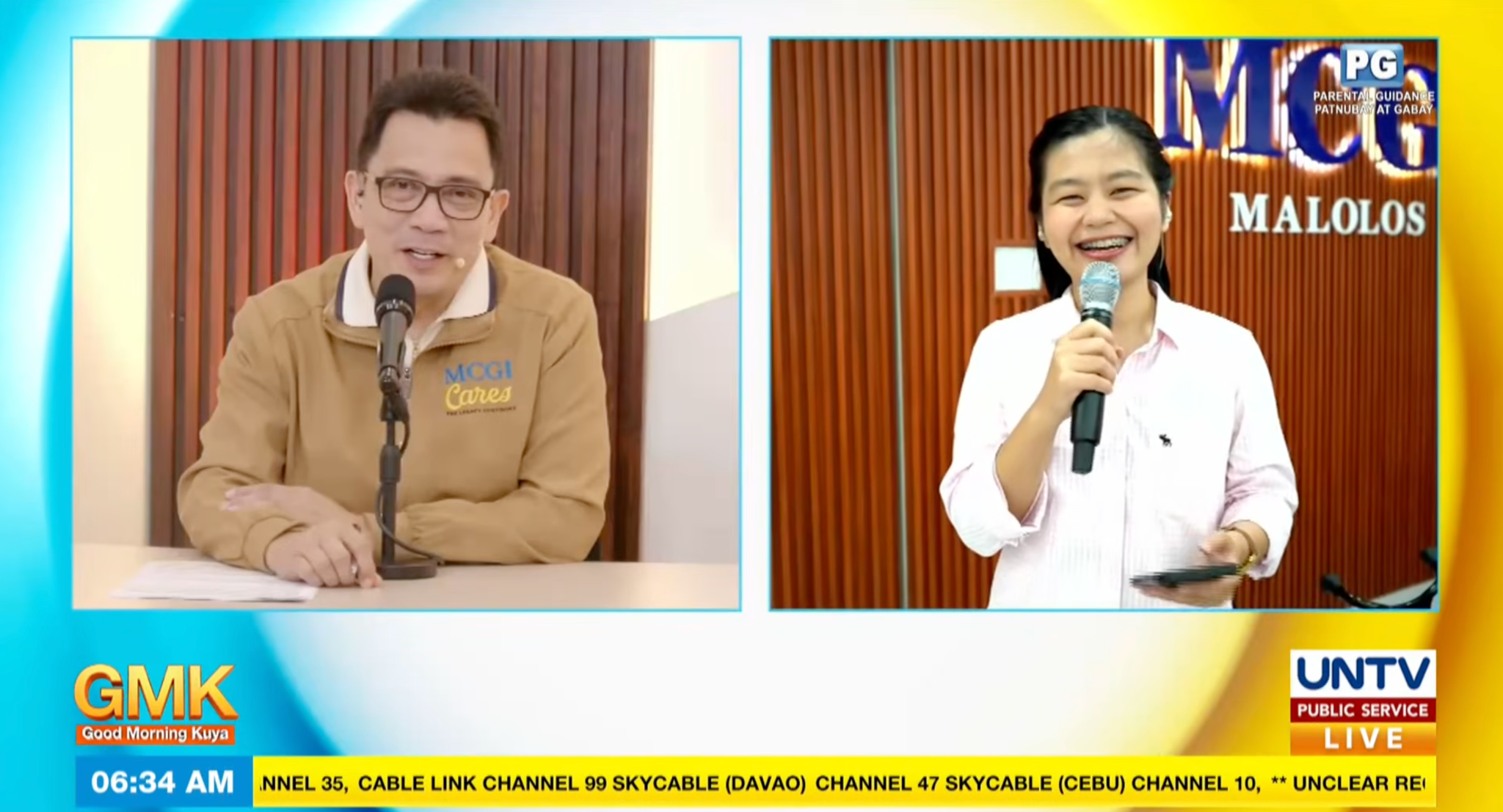
Leslie was earlier at the MCGI Charity Center in Malolos, Bulacan, where she gave an update on the ongoing services of MCGI Charity Centers nationwide and shared details on how the public can avail of assistance there.
The MCGI Charity Center, located at McArthur Highway, Barangay San Pablo, Malolos City, Bulacan, operates every Monday.
The show's new format also introduced a legal segment, "Sa Batas, Alamin Mo," featuring Atty. Joeie Domingo of Huntahang Ligal. Atty. Domingo tackled a question many Filipinos quietly worry about: can a person be imprisoned simply for having unpaid debt?
The program also discussed the topic of diarrhea during the rainy season and how it can be prevented.
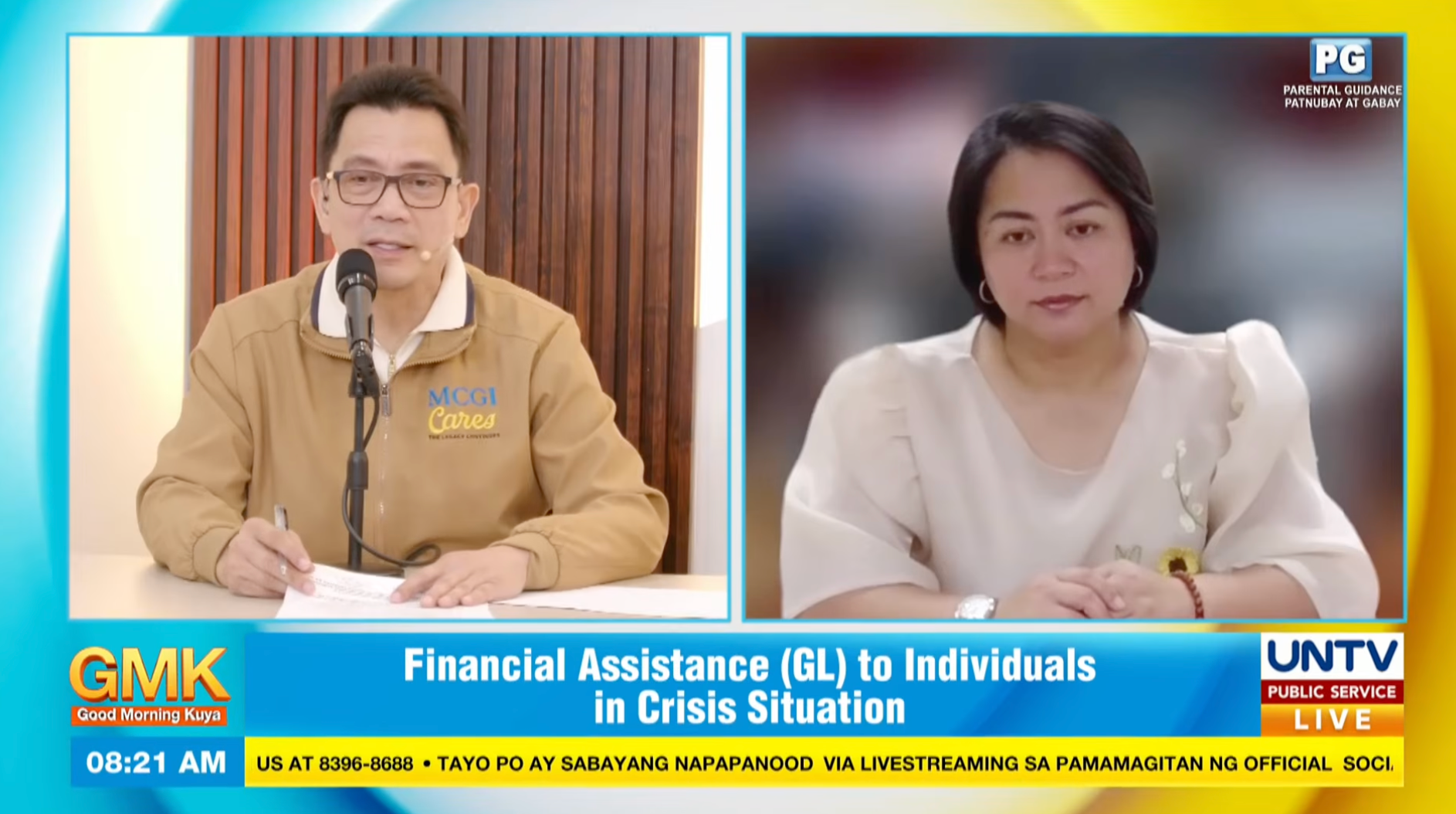
Meanwhile, Kuya also interviewed DSWD Asec. Irene Dumlao about the department's Financial Assistance, or AICS (Assistance to Individuals in Crisis Situation) program.
Beyond the studio conversations, GMK continued to spotlight the free public services it has long been associated with — medical, optical, and dental consultations, physical therapy, food assistance, and availing of grocery items from the free store. As Kuya Daniel reiterated, these services remain open to all, without discrimination.
Spearheaded by its innovator and host, Kuya Daniel Razon, GMK's 19-year run has been built on this same formula: consistent, meaningful information paired with an ever-expanding hand of public service.
After 19 years, what still stands out about GMK is not the format changes or the new segments. It's the same quiet promise it started with: that every morning, the GMK family is there to greet, to hold meaningful conversations, and to offer reminders, information, and extensive public services that our Kasangbahays need.

With the Kasangbahays gathered as one big family, GMK is not just marking an anniversary. It's simply continuing to do what it's always done: show up, morning after morning, for the people who have made it home.
And as the program continues to grow through the years, GMK will always say and show the true meaning of Serbisyong MCGI: mula sa puso, para sa kapwa.

United Kingdom – The National Farmers' Union (NFU) has warned that a shortage of certain types of food may occur if the severe drought in the United Kingdom continues.
According to the NFU, wheat and oats yields are very low this year, while livestock farmers are being forced to use their winter feed reserves early since grass is not growing.
The drought has already hit large parts of England and the whole of Wales, while more than 20 million people are currently under a hosepipe ban due to water shortages.
Farmers say vegetable production is declining because farmlands lack sufficient water, which in turn is driving up the cost of farming.
The NFU is calling on the government to build more water storage facilities and provide incentives to farmers, stressing that water security is also essential to the country's food security.
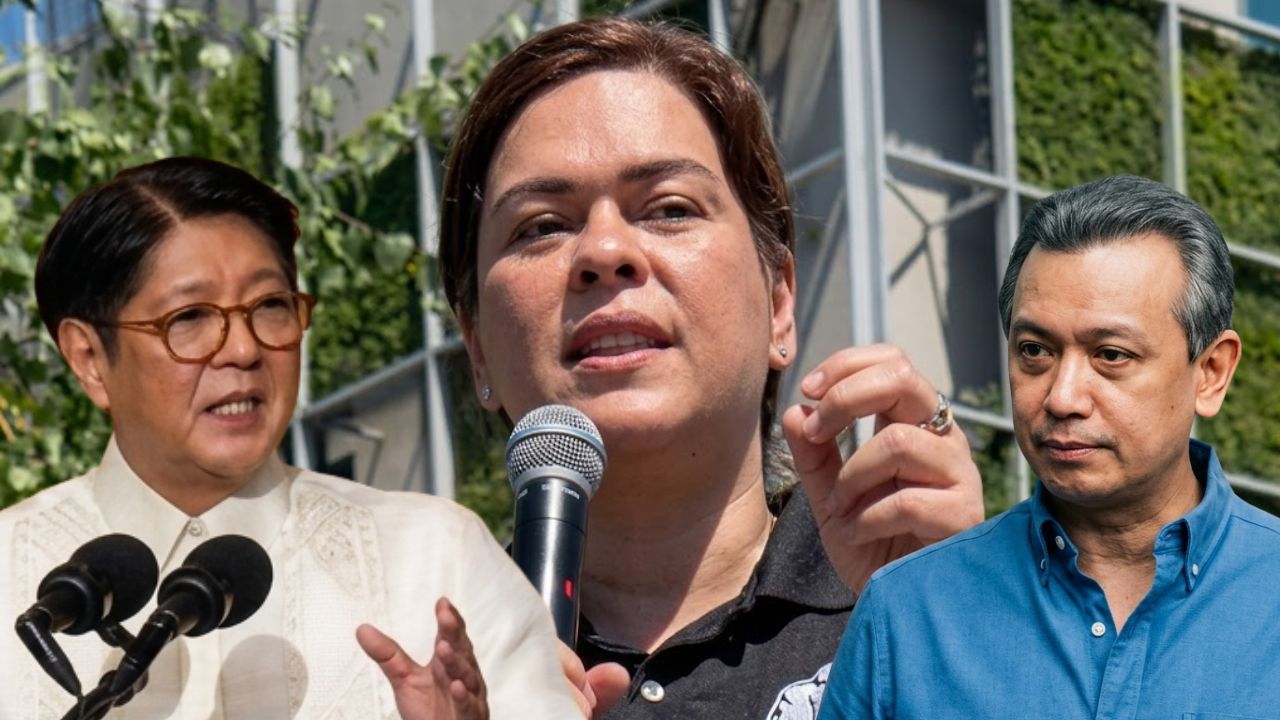
Malacañang responded to Vice President Sara Duterte's latest allegations that the International Criminal Court (ICC) is allegedly a "puppet" of President Ferdinand Marcos Jr.
The Palace also challenged the Vice President to release data regarding what she claims is a serious case of gun violence in the country.
Asked to characterize President Marcos Jr. and Antonio Trillanes in relation to the ICC case against her father, Vice President Sara Duterte did not hold back, calling both men ‘traitors’ to the country.
"How do we characterize Trillanes and Marcos in relation to ICC, yes they are traitors to the Filipino and to the country, but more than that ang ICC ay tuta ni Trillanes at Marcos." VP Duterte said.
[How do we characterize Trillanes and Marcos in relation to ICC, yes they are traitors to the Filipino and to the country, but more than that the ICC is a puppet of Trillanes and Marcos.]
Vice President Sara Duterte called President Ferdinand Marcos Jr. a traitor over his alleged coordination with the International Criminal Court to arrest former President Rodrigo Roa Duterte.
According to the Vice President, who is currently in The Hague, Netherlands, it appears that PBBM made an agreement with the ICC to have his father arrested. She cited the presence of ICC investigators in the country as proof of this. She also said she spoke with the President regarding the information she has gathered on the matter.
Recounting her exchange with the President, VP Duterte accused him of publicly opposing the ICC investigation while privately allowing it to continue.
"I wrote the president, why is the ICC continuing the investigation inside the Philippines? What did he say? We will not cooperate in any shape or form with the ICC because it is an infringement on our sovereignty, on that point he is correct, because our judicial court is functioning… That is the only correct thing that Marcos did or Marcos said about the ICC… But his left hand was doing other negotiations. He was doing exactly the opposite. He was allowing the investigation to happen supported by the HOR and Antonio Trillanes." Duterte added.
Dismissing the Vice President's claims, Palace Press Officer Undersecretary Claire Castro described her statements as baseless and suggested they stemmed from frustration over her father's ICC trial.
"Ang lahat po halos ng sinasabi ng Bise Presidente sa ngayon ay walang basehan, walang saysay, useless at nonsense. Maaaring ito ay kaniyang nasasabi out of frustration dahil ang kaniyang ama ngayon ay nililitis sa ICC."
[Almost everything the Vice President is saying now has no basis, has no point, is useless and nonsense. She may be saying this out of frustration because her father is now being tried at the ICC.]
Malacañang also stressed that the case against former President Duterte was filed with the ICC as early as 2017, at a time when Marcos was still a private citizen.
The Palace said the President is merely complying with the law.
