


%201.svg)


Emergency Hotline:
(+63) 2 911 – 8688


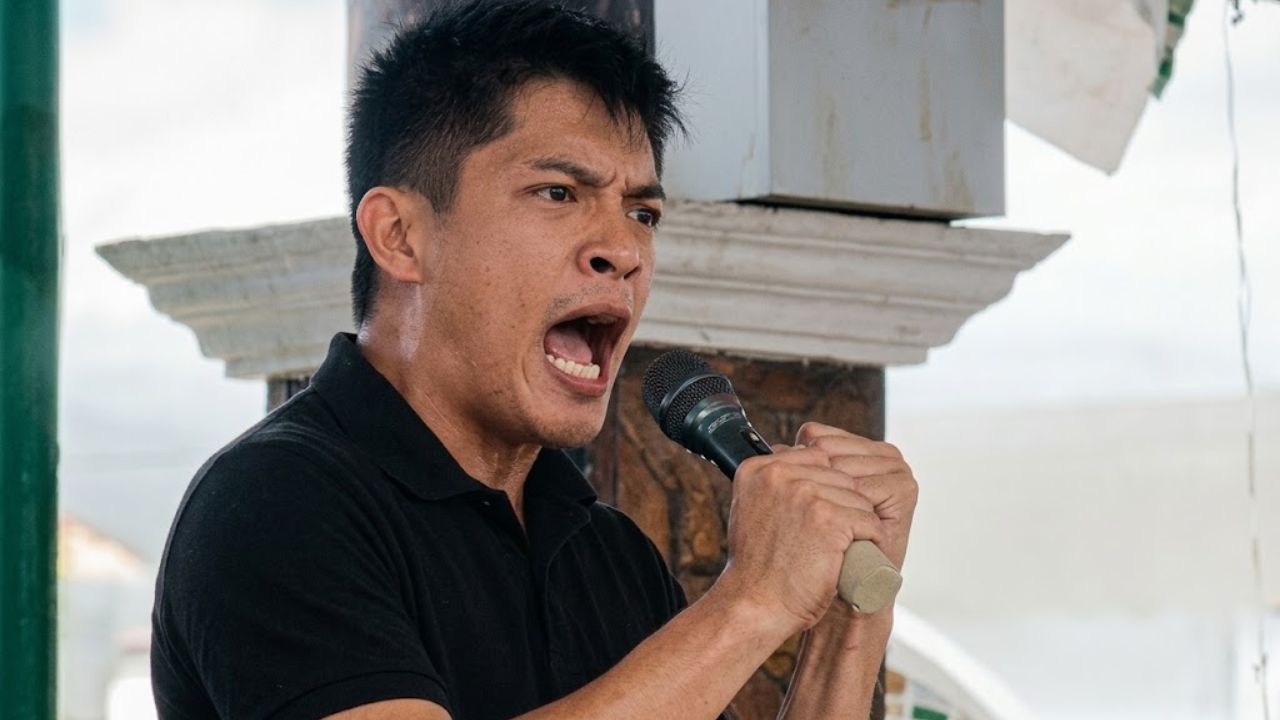

MANILA, Philippines — Reina Mercedes, Isabela Vice Mayor Jeryll Harold Respicio tested negative for illegal drugs after voluntarily undergoing screening following remarks by Department of the Interior and Local Government (DILG) Secretary Jonvic Remulla questioning his behavior during a heated municipal council session.
Respicio underwent the drug test at St. Luke's Medical Center in Quezon City on Wednesday, October 7, shortly after Remulla publicly suggested that the local official be tested over his conduct in a viral video.
The controversy stemmed from a heated exchange between Respicio and several barangay officials during a Sangguniang Bayan session on October 5, where they were discussing issues surrounding funds collected from tobacco excise taxes.
In the viral footage, the vice mayor was seen raising his voice while confronting barangay officials, drawing criticism over his conduct during the proceedings.
Speaking to reporters at the Police Regional Office 4A in Laguna, Remulla questioned Respicio's behavior and said he wanted the vice mayor to undergo a drug test.
"Ipapa-drug test ko muna. Parang wala sa sarili eh," Remulla said.
The DILG chief also suggested that Respicio's actions were unusual for an elected official, prompting the public challenge.
Respicio responded by voluntarily undergoing what he described as an extensive drug screening to make the results available to the public.
In an interview with UNTV News and Rescue, the vice mayor explained that the examination included both qualitative and quantitative testing.
"Pinaka-extensive na drug test 'yung tinake ko. May qualitative and quantitative," Respicio said.
Results from his initial screening showed that Respicio tested negative for eight categories of substances, including methamphetamine, cocaine, tetrahydrocannabinol (THC), ecstasy, benzodiazepines, opiates, propoxyphene, and tricyclic antidepressants.
The negative findings were reflected in a laboratory report shared by the vice mayor. The result reported was from the initial qualitative screening.
Respicio also disclosed that he paid ₱28,011 for the drug screening and jokingly asked Remulla to reimburse the amount.
"Voluntary lang naman. Kung gusto niya, negative or positive, sige i-refund mo ako. Ang mahal eh," he said.
Following the release of the results, Remulla congratulated Respicio for testing negative but continued to criticize his behavior during the municipal council session.
"Now that it's confirmed that he's not on shabu, totoo na talaga na natural ang sayad ng utak niya," Remulla said in a message.
The remark followed his earlier criticism of the vice mayor's conduct, which the DILG chief described as unacceptable for a public official.
On Thursday, October 8, Remulla said he would obtain Respicio's GCash details and personally reimburse the cost of the drug test.
Respicio subsequently posted a GCash QR code requesting payment of the ₱28,011 he had spent on the examination.

Remulla later shared a screenshot of a GCash transaction showing the full amount sent to an account bearing Respicio's name.
"Eto na. Happy?" Remulla wrote in his social media post.
Respicio responded with a lighthearted caption, saying, "You make me happy, Jonvic."
The exchange followed Remulla's earlier challenge for the vice mayor to undergo drug testing after a video of his heated confrontation with barangay officials went viral.


MANILA, Philippines — The Philippine Embassy in Nairobi has urged Filipinos in Kenya to remain vigilant and observe health precautions following the confirmation of the country's first imported case of Bundibugyo Ebola virus disease on October 6, 2026.
The advisory comes as Kenyan health authorities intensify disease surveillance, contact tracing, and border screening to prevent further transmission of the potentially deadly virus.
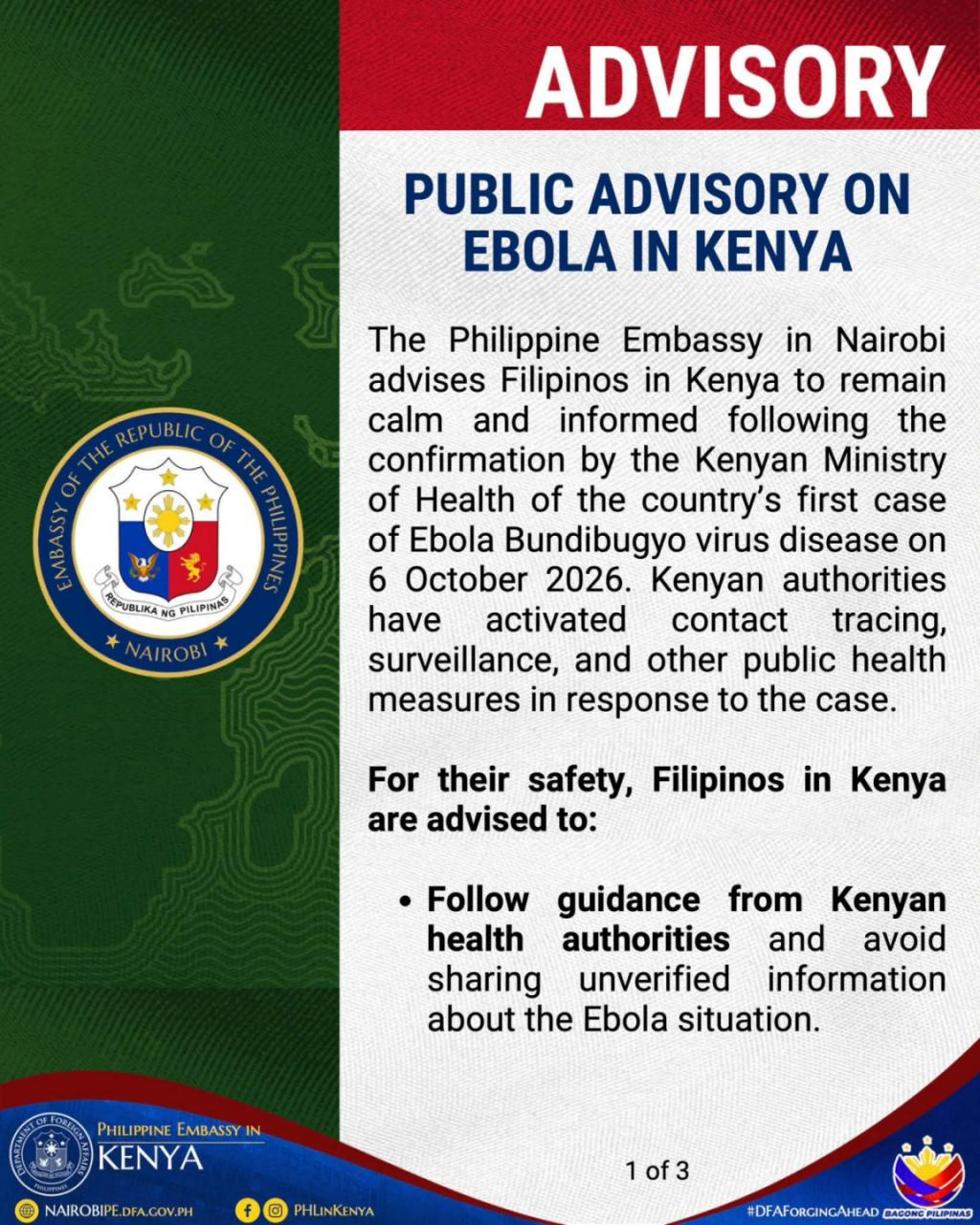
According to Kenya's Ministry of Health, the confirmed patient was a Kenyan citizen who had been living in the Democratic Republic of the Congo (DRC), where an Ebola outbreak has been ongoing since May.
The patient reportedly developed symptoms about a month before traveling to Kenya and had received treatment at several health facilities in the DRC.
On October 2, the patient traveled by road through Beni to Kampala, Uganda, before boarding a flight to Nairobi on October 3.
Upon arrival, the patient was taken to Nairobi Hospital and isolated after exhibiting symptoms including fever, chills, fatigue, muscle pain, sore throat, difficulty swallowing, and bleeding beneath the skin at injection sites.
Laboratory tests conducted by Kenya's National Virology Reference Laboratory and the Kenya Medical Research Institute confirmed infection with the Bundibugyo virus.
Despite receiving medical care, the patient died on the night of October 5 and was buried the following day under Ebola safety protocols, according to the World Health Organization (WHO).
Following confirmation of the case, Kenya's Ministry of Health strengthened surveillance and launched efforts to identify individuals who may have been exposed to the infected patient.
As of October 7, health officials had identified 57 contacts associated with the case, including people who may have been exposed during the patient's travel and hospital treatment.
Of these, 10 individuals had been located and placed under quarantine at the National Police Service Hospital in Nairobi, while efforts to trace and monitor the remaining contacts continued.
Kenyan Health Cabinet Secretary Aden Duale assured the public that the country was not experiencing a broader Ebola outbreak, emphasizing that the confirmed infection was an imported case linked to the ongoing outbreak in the DRC.
Kenya has also designated five healthcare facilities for the management of suspected and confirmed Ebola cases, with a combined capacity of 244 isolation beds.
Bundibugyo virus disease is a rare but severe viral illness belonging to the group of diseases commonly known as Ebola.
According to the WHO, the virus can spread through direct contact with the blood, bodily fluids, or contaminated materials of an infected person.
Early symptoms include fever, severe headache, fatigue, muscle pain, and sore throat. As the illness progresses, patients may experience vomiting, diarrhea, abdominal pain, and, in some cases, internal or external bleeding.
Symptoms generally develop within two to 21 days after exposure. Infected individuals are not considered contagious before symptoms appear.
The WHO emphasizes that early medical attention and infection-control measures are important in reducing the risk of severe illness and further transmission.
Amid the confirmed case, Filipinos in Kenya are being reminded to follow official health advisories and observe preventive measures, particularly when traveling to or staying in areas affected by Ebola.
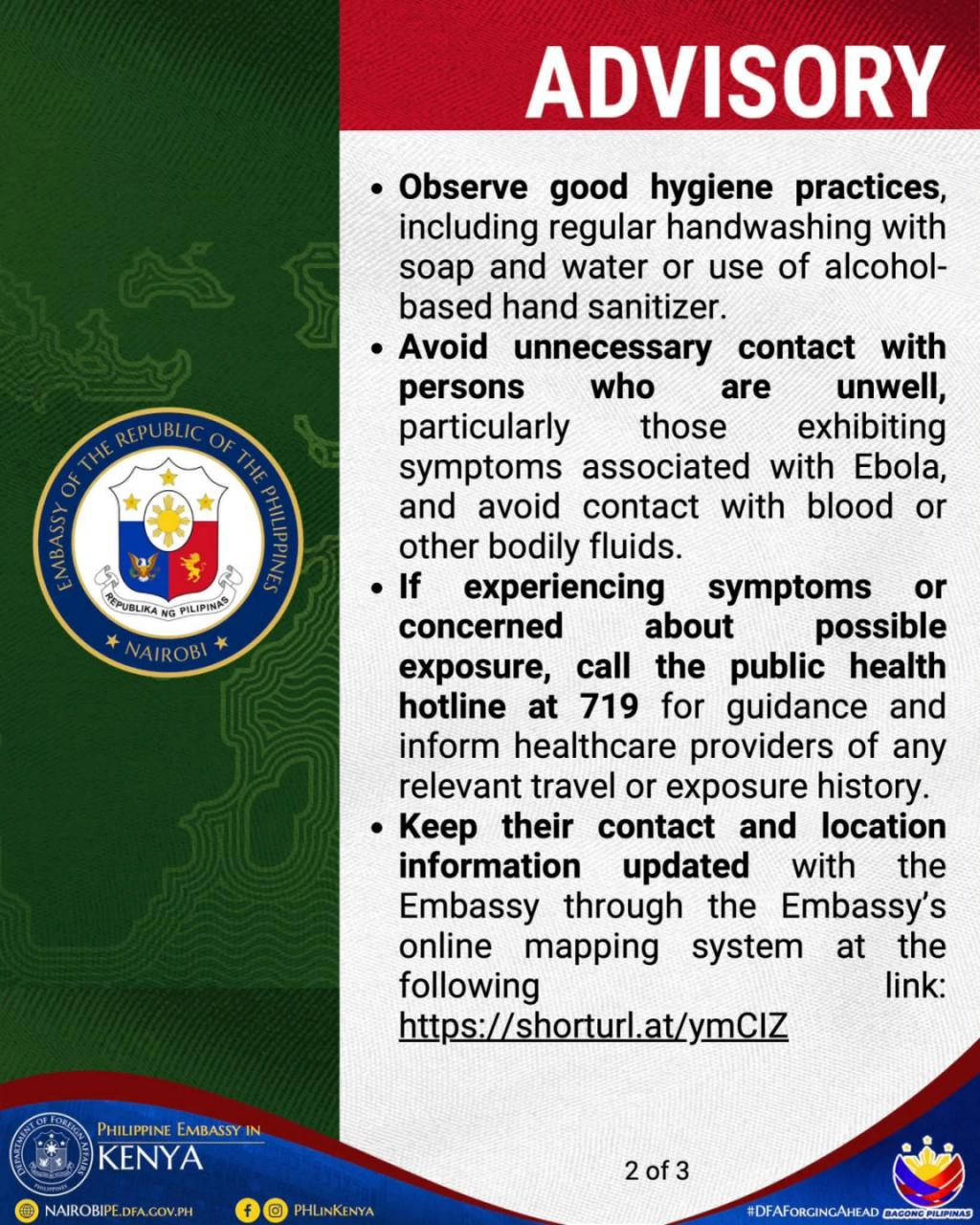
The WHO recommends avoiding direct contact with the blood and bodily fluids of infected individuals, refraining from handling potentially contaminated materials, and practicing appropriate infection-prevention measures.
Individuals who experience symptoms after possible exposure are advised to seek immediate medical attention and inform healthcare providers of their travel history or possible contact with an infected person.
Meanwhile, the WHO is working with the Kenyan government to strengthen disease surveillance, laboratory testing, contact tracing, and public health communication.
Kenyan authorities continue to monitor individuals who may have been exposed to the patient as health officials work to prevent additional infections.
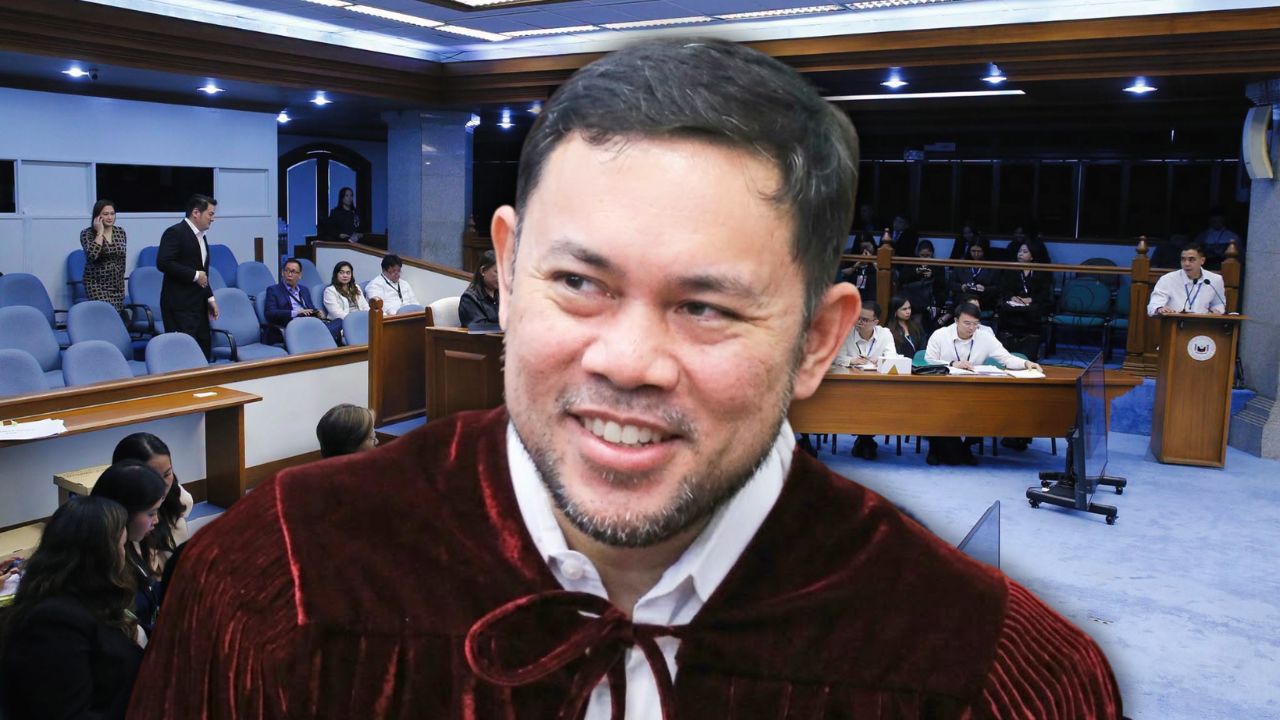
MANILA, Philippines — Senator Mark Villar has officially joined the Senate majority bloc, leaving the minority group led by Senator Alan Peter Cayetano following his election to key positions in the upper chamber on Thursday, October 8.
Senate Majority Leader Juan Miguel Zubiri confirmed Villar's transfer after the Senate elected him as a member of the Commission on Appointments (CA) and chairman of the Senate Committee on Public Works.
During the plenary session, Zubiri moved for Villar's election to both positions, which was approved without objection.
Villar replaces Zubiri as a Senate representative to the Commission on Appointments, the congressional body responsible for reviewing and confirming certain presidential appointments.
Meanwhile, the Senate Committee on Public Works oversees legislative matters involving infrastructure development, including roads, bridges, public buildings, flood control, and other government construction projects.
Villar had previously headed the Public Works Committee while serving in the minority bloc. His election on Thursday formally places his committee leadership under the majority.
With Villar's transfer, the Senate majority now has 14 members, while the minority bloc has been reduced to 10.
Four minority senators are currently not attending Senate sessions. Senators Jinggoy Estrada and Rodante Marcoleta remain detained over separate plunder cases, while Senator Ronald "Bato" dela Rosa is in hiding amid an arrest warrant issued by the International Criminal Court. Senator Loren Legarda, meanwhile, remains on extended medical leave.
Villar's move comes two weeks after he broke ranks with fellow minority senators during deliberations on the voting threshold for the impeachment trial of Vice President Sara Duterte.
On September 23, Villar supported a motion challenging the Senate impeachment court's July 6 ruling, which had initially fixed the conviction threshold at 16 votes, equivalent to two-thirds of the Senate's 24 members.
His position drew attention as the impeachment court continued to debate how the constitutional requirement should be applied when several senators are unable to participate in the proceedings.
Despite the disagreement, Cayetano previously maintained that Villar remained part of the minority, emphasizing that senators serving as impeachment judges must be allowed to exercise independent judgment regardless of political affiliation.
Villar's transfer on October 8 now formalizes his alignment with the Senate majority and changes the balance of membership between the chamber's two blocs.

MANILA, Philippines — President Ferdinand Marcos Jr. arrived in Singapore late Wednesday, October 7, for a five-day working visit aimed at attracting foreign investments, strengthening bilateral relations, and advancing regional cooperation as Singapore prepares to assume the ASEAN chairmanship in 2027.
The presidential aircraft landed at Changi Airport at 11:05 PM, marking the start of the President’s October 7-11 visit at the invitation of Singapore Prime Minister Lawrence Wong.
A major part of Marcos’ agenda is his participation in the 24th Forbes Global CEO Conference, which will gather approximately 450 business executives and thought leaders from around the world.
During the conference, Marcos is expected to promote the Philippines as an investment destination, particularly in digital technology, artificial intelligence (AI), advanced manufacturing, infrastructure, energy, and healthcare.
The President said his administration intends to attract investments that could support the country’s long-term economic growth while developing the infrastructure, energy capacity, and technical expertise needed by emerging industries.
Marcos also emphasized the growing demand for reliable and sustainable electricity as more industries adopt AI, data centers, and advanced manufacturing technologies.
Beyond investment discussions, the President is scheduled to visit the Singapore Nuclear Research and Safety Institute to learn about the country’s experience in nuclear technology and safety.
The visit forms part of the administration’s efforts to explore viable energy options and strengthen the Philippines’ long-term energy security.
Marcos will also meet with Prime Minister Wong to discuss bilateral cooperation and regional developments, particularly the transition of the Association of Southeast Asian Nations (ASEAN) chairmanship from the Philippines in 2026 to Singapore in 2027.
The Philippines is scheduled to host the 49th ASEAN Summit and Related Summits in Manila from November 16 to 18, 2026.
The President's itinerary also includes an invitation to attend the Formula 1 Singapore Grand Prix, scheduled for October 9–11, where informal engagements with government leaders, investors, and business executives may complement his official meetings.
The working visit follows Marcos’ trip to Singapore in July, when he met with government officials and business executives to discuss opportunities in digital infrastructure, AI, healthcare, trade, and investment.
Singapore remains one of the Philippines’ major economic partners. According to the Philippine government, the city-state is the country’s seventh-largest export destination and third-largest source of net foreign direct investment.
Marcos’ remaining engagements are expected to focus on expanding economic cooperation and coordinating regional priorities ahead of Singapore’s ASEAN leadership in 2027.

MANILA, Philippines — Reports of a suspected pneumonic plague case in Russia have raised public health concerns, prompting Philippine health officials to monitor the situation while infectious disease experts reassure Filipinos that the risk of the disease reaching the country remains extremely low.
The concern follows the death of a laboratory worker in Irkutsk, Siberia, who reportedly died of pneumonia. However, Russian health officials have not confirmed that the death was caused by pneumonic plague, while the World Health Organization (WHO) continues to seek additional information about the incident.
In an interview, Infectious disease specialist Dr. Rontgene Solante said Thursday, October 8, that the possibility of the disease spreading internationally to the Philippines is extremely low, emphasizing that the suspected infection in Russia remains unconfirmed.
Meanwhile, Malacañang said the Department of Health (DOH) is closely monitoring developments and following relevant WHO guidelines.
But what exactly is pneumonic plague, how does it spread, and what symptoms should the public watch for?
Pneumonic plague is a rare but potentially life-threatening bacterial infection that primarily affects the lungs.
According to the World Health Organization, it is caused by Yersinia pestis, a bacterium commonly found in small mammals, particularly rodents, and the fleas that live on them.
Plague has three main clinical forms: bubonic, septicemic, and pneumonic. Of these, pneumonic plague is considered the most severe because it directly affects the respiratory system and can spread from person to person.
The disease is also associated with the historic Black Death pandemic, which killed millions of people in Europe during the 14th century.
Unlike during that period, however, plague can now be treated with antibiotics, particularly when diagnosed early.
Pneumonic plague can develop rapidly, with symptoms sometimes appearing within 24 hours of infection.
According to the WHO and the US Centers for Disease Control and Prevention (CDC), common symptoms include:
The infection can progress quickly and may lead to respiratory failure and death if left untreated.
Health experts emphasize that these symptoms can also occur in other respiratory illnesses. Laboratory testing is necessary to confirm pneumonic plague.
Unlike bubonic plague, which is commonly acquired through the bite of infected fleas, pneumonic plague can spread directly between people.
Transmission occurs primarily when someone inhales infectious respiratory droplets released by a person with pneumonic plague, particularly during close contact.
The infection can also develop when the bacteria spread to the lungs from another form of plague.
However, pneumonic plague does not spread as efficiently as some common respiratory viruses, and transmission generally requires close exposure to an infected person.
The WHO recommends avoiding close contact with infected individuals and using appropriate protective measures to reduce transmission
Yes. Although pneumonic plague is one of the most dangerous forms of bacterial infection, it is treatable with appropriate antibiotics.
The WHO emphasizes that early diagnosis and treatment are critical, as untreated pneumonic plague can become fatal within 18 to 24 hours after symptoms begin.
Patients with suspected infections require immediate medical attention, laboratory evaluation, and appropriate isolation to prevent possible transmission.
People who develop symptoms after a known exposure should seek urgent medical care rather than self-medicate with antibiotics.
Infectious disease experts say there is currently no reason for Filipinos to panic over reports of a suspected infection in Russia.
Dr. Edsel Salvana said the death of the Russian laboratory worker requires a thorough investigation, stressing that pneumonia can result from numerous bacterial and viral infections.
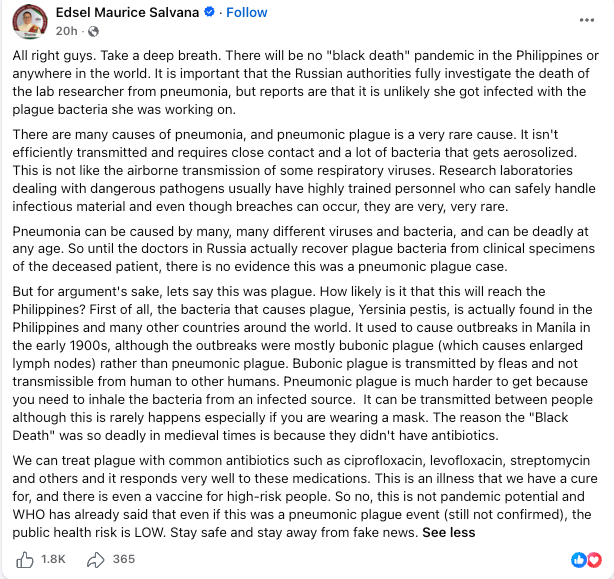
He also emphasized that there is no confirmed evidence that the laboratory worker died from plague.
Solante similarly described the likelihood of the disease reaching the Philippines as extremely low.
While pneumonic plague is a serious infection, its rarity, available treatments, and established infection-control measures distinguish the current situation from the conditions that allowed historical plague pandemics to spread.
The DOH continues to monitor the situation, while the WHO seeks further information from Russia to clarify the cause of the laboratory worker's death and assess any potential public health risks.
